Gebel Elba National Park
Nature
Egypt's southernmost and one of its largest protected areas, where a mist-fed mountain supports African vegetation and rare wildlife.
- Arabic name
- محمية جبل علبة
- Type
- National park
- Governorate
- Red Sea
- Area
- 35,056 km²
- Protected since
- 1986
- Nearest city guide
- Marsa Alam
- Official website
- eeaa.gov.eg
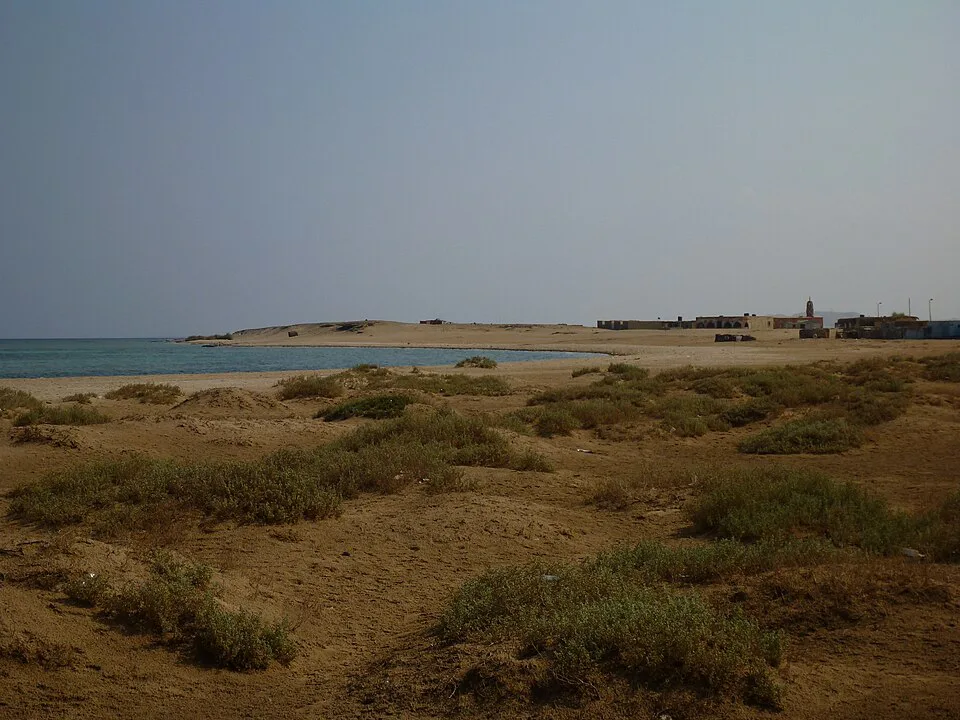
Gebel Elba National Park covers a huge area in the far south-east of Egypt, between Shalateen and the Sudanese border. It takes its name from Gebel Elba, a mountain of about 1,435 m that catches moisture from Red Sea winds. The fog and occasional rain sustain a mist oasis found nowhere else in Egypt.
Landscape and wildlife
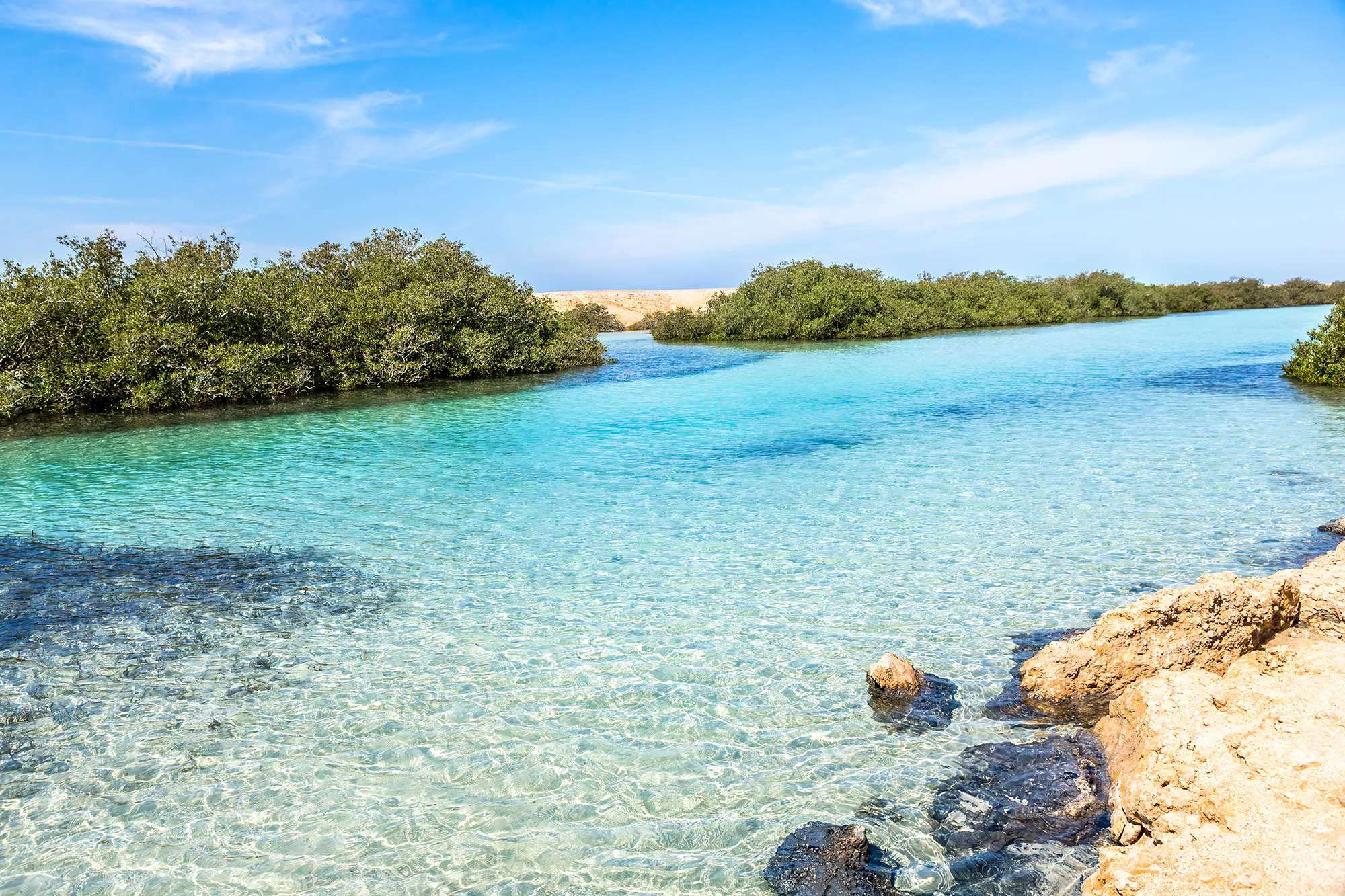
The upper slopes host plants more typical of East Africa, including the endangered Ombet dragon tree, wild olives, acacias and ferns. The park protects Nubian ibex, Barbary sheep, dorcas gazelle, striped hyena, caracal, and many birds, while its coast includes mangroves, coral reefs and offshore islands where turtles and seabirds nest. It is also home to the Bisharin and Ababda peoples, who keep camels and sheep.
What to do
- Join a specialist 4×4 expedition to the mountain and its wadis.
- Visit the camel market of Shalateen on the way south.
- Birdwatch along the mangrove coast.
Getting there and best time
The park is roughly 300 km south of Marsa Alam. It lies in a sensitive border area and requires security permits, which specialist operators arrange in advance; independent travel is not possible. November to March is the best period, when temperatures are lower and the mountain is greenest.
Entry fee: included in the permit and expedition costs; no public gate fee published (last checked October 2026).
Last checked October 2026. Entry fees and access rules change; check with the Egyptian Environmental Affairs Agency or a local operator before you go. Sources: eeaa.gov.eg, en.wikipedia.org.
Frequently asked questions
What makes Gebel Elba unique?
The 1,435 m mountain catches moisture from Red Sea winds, creating a mist oasis with East African plants such as the endangered Ombet dragon tree, wild olives and ferns.
Can I travel there independently?
No. The park lies in a sensitive border area between Shalateen and Sudan and requires security permits, which specialist operators arrange in advance.
What wildlife lives there?
Nubian ibex, Barbary sheep, dorcas gazelle, striped hyena, caracal and many birds, with mangroves, reefs and turtle-nesting islands on the coast.
How far is it and when should I go?
The park is roughly 300 km south of Marsa Alam, and trips often stop at the Shalateen camel market. November to March is best, when it is cooler and the mountain greenest.