
Egyptian food
Food in Egypt is generous, cheap and mostly plant-based. The everyday diet of millions is built on beans, lentils, rice, vegetables and bread, with meat saved for weekends, guests and feasts. Bread is so central that its Egyptian Arabic name, aish, also means “life”. The round, puffy aish baladi, made with wholemeal flour, is torn and used as a spoon for nearly everything.
01
Food culture
Breakfast is the meal Egyptians are proudest of. Across the country, people queue at carts and small shops for ful medames (slow-cooked fava beans) and ta’meya, the Egyptian falafel made from fava beans rather than chickpeas, eaten with pickles, salad, tahini and fresh bread. Later in the day, koshari, a filling mix of rice, lentils, pasta, chickpeas, spicy tomato sauce and crisp onions, is the great street lunch. In December 2025 UNESCO added it to its list of the world’s intangible cultural heritage.
Home cooking centres on tabikh, vegetable stews cooked with tomato and served with rice, along with molokhia, stuffed vegetables (mahshi) and roast chicken or pigeon. During Ramadan, families and whole streets break the fast together at sunset with dates, juices such as qamar el-din and tamarind, and a large iftar, and charity tables called mawa’id el-rahman feed anyone who passes. The Eid feasts bring kahk biscuits and, at Eid al-Adha, plenty of meat; spring’s Sham el-Nessim is celebrated with salted fish.
02
Breakfast and street food
The dishes Egyptians queue for at carts and small shops, cheap, filling and mostly vegetarian.
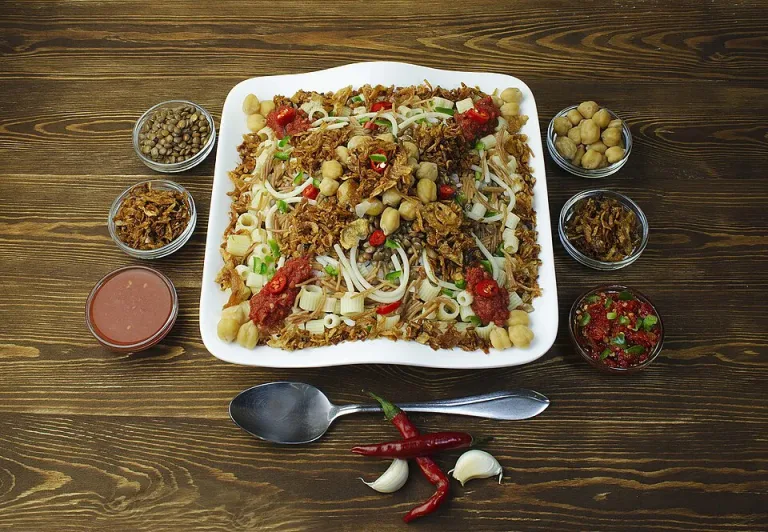
Koshari كشري
Egypt's national comfort food layers rice, brown lentils, short macaroni and chickpeas, then tops them with a spiced tomato sauce, garlic-vinegar dressing (da'a) and a heap of crisp fried onions. Add chilli sauce to taste. It is cheap, filling and vegetarian, and it is eaten everywhere from cart to sit-down shop. In 2025 UNESCO inscribed koshari and the practices around it on its Representative List of the Intangible Cultural Heritage of Humanity.
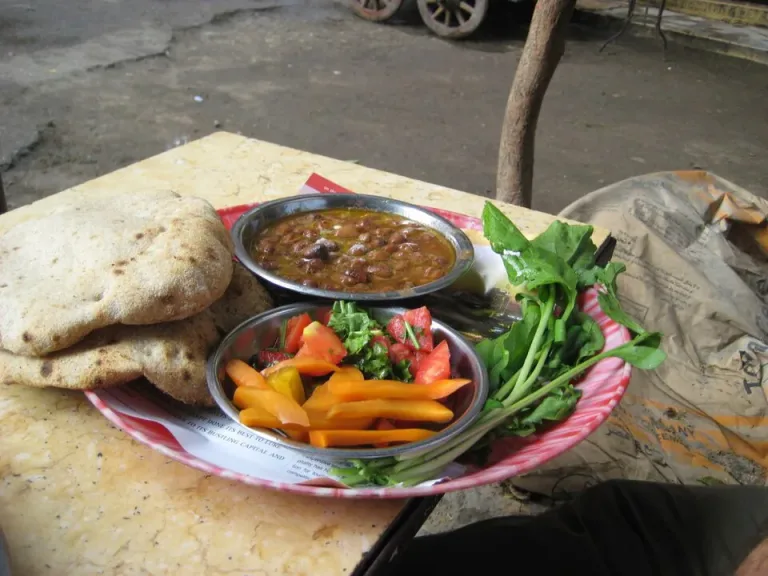
Ful medames فول مدمس
Fava beans simmered slowly for hours until soft, then mashed and dressed with oil, cumin, salt and lemon. There are endless versions: with tahini, tomato, boiled egg, butter or sausage. Ful is the classic working breakfast, scooped up with baladi bread and eaten standing at a street cart or delivered in plastic bags to offices. It is filling, nutritious and costs very little.
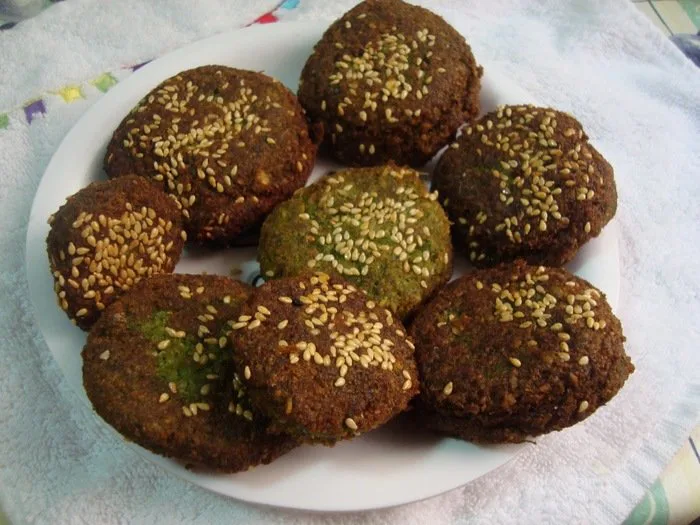
Ta'meya طعمية
Egypt's falafel, made from soaked fava beans rather than chickpeas and blended with herbs like parsley, dill and coriander, which turn it bright green inside. The patties are fried until crisp and often rolled in sesame seeds. Eaten hot in baladi bread with tahini, salad and pickles, ta'meya is a breakfast staple. A larger stuffed version called ta'meya mahshiya hides a spicy filling.
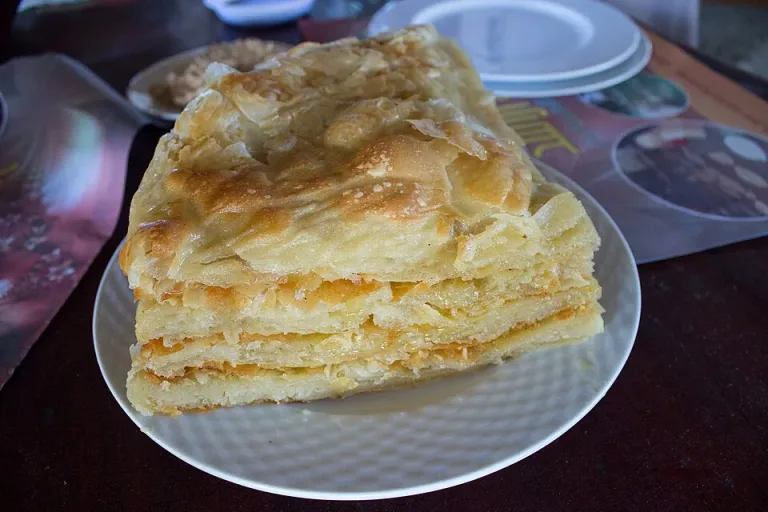
Feteer meshaltet فطير مشلتت
A flaky, many-layered pastry made by stretching dough thin, brushing it with ghee and folding it repeatedly before baking. Plain feteer is eaten with honey, molasses and cream, or with old cheese (mish). Feteer shops also sell versions filled with cheese, minced meat, sausage or sweet custard and nuts. It is a speciality of rural households and a favourite gift for visiting relatives.
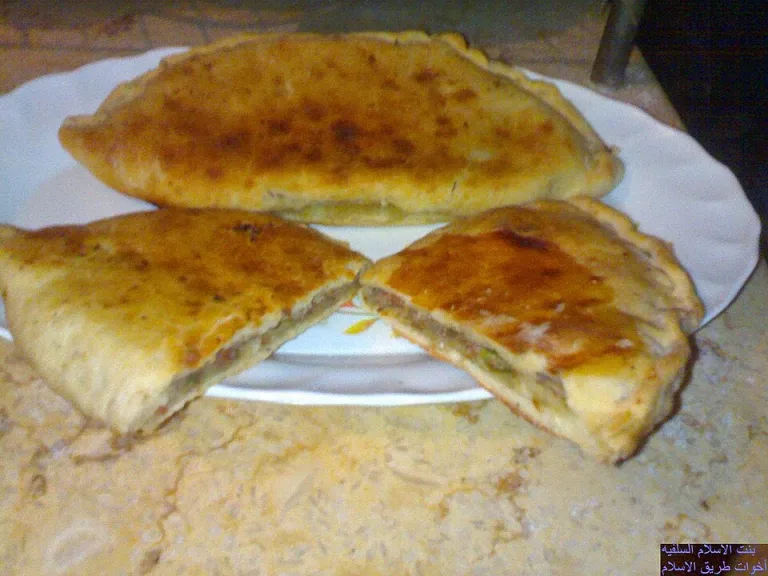
Hawawshi حواوشي
Spiced minced meat mixed with onion, pepper and chilli, packed into baladi bread and baked until the bread turns crisp and the fat soaks through. It is a hearty, inexpensive snack sold from small shops and street ovens, eaten with pickles and tahini. Alexandria claims some of the best versions, and many shops now offer cheese or sausage variations.
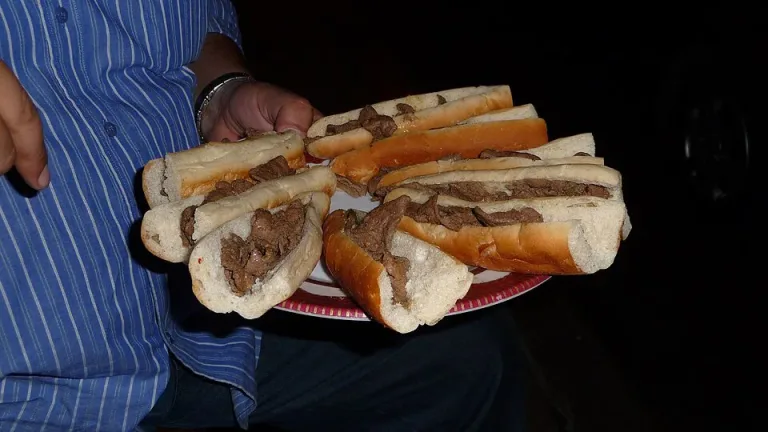
Kebda eskandarani كبدة إسكندراني
Alexandria-style liver: thin strips of beef liver stir-fried quickly with garlic, green chilli, cumin and lemon, then stuffed into small rolls or baladi bread. It is hot, tangy and very cheap, sold from carts and tiny shops late into the night. Order it with tahini and pickles. Choose a busy stall where the liver is cooked fresh in front of you.
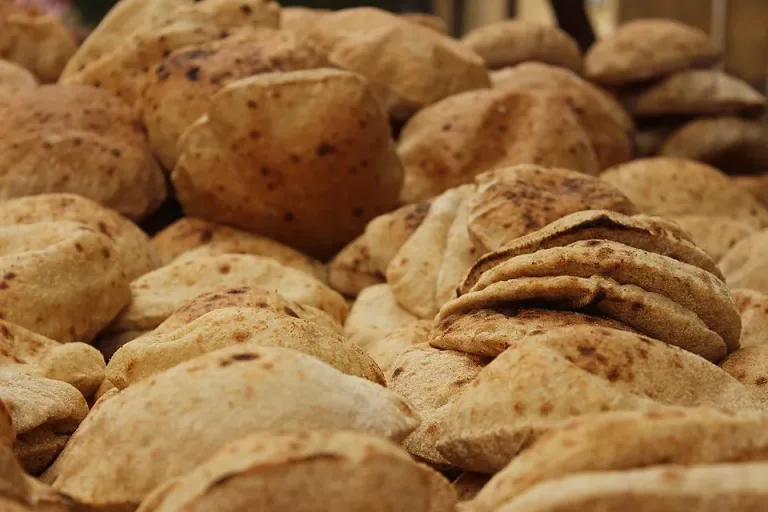
Aish baladi عيش بلدي
Egypt's everyday flatbread, made with wholemeal wheat flour and baked at very high heat so it puffs up into a pocket. It is torn into pieces and used to scoop ful, dips and stews, or split and stuffed for sandwiches. A subsidised version keeps it affordable for millions of families, and fresh loaves are cooled on racks outside bakeries. Upper Egypt has its own sun-risen bread, aish shamsi.
03
Main dishes
Home cooking and the dishes served at family feasts and in traditional restaurants.
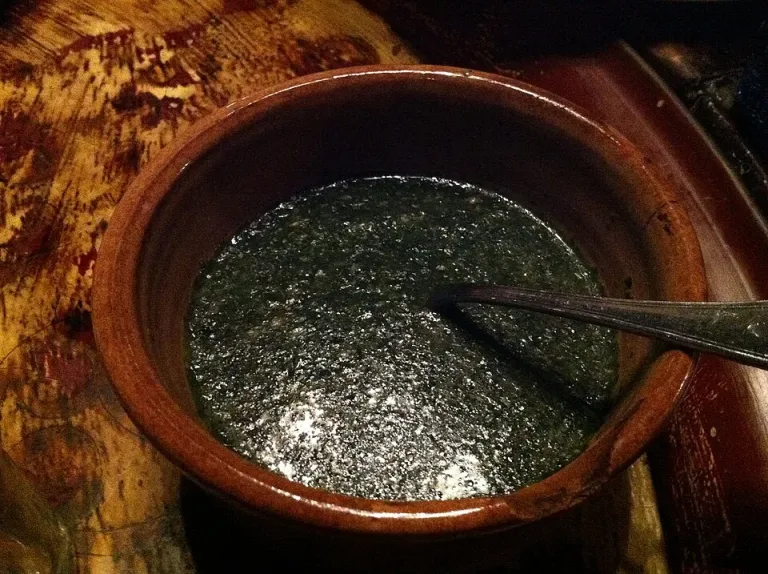
Molokhia ملوخية
Jute mallow leaves are finely chopped and cooked in chicken, rabbit or meat stock, then finished with a sizzling mix of garlic and coriander fried in ghee (the ta'leya). The result is a green, silky, slightly slippery soup that Egyptians either love or loathe. It is served with rice or bread and usually alongside the meat used for the stock. On the coast it is sometimes made with shrimp.
Mahshi محشي
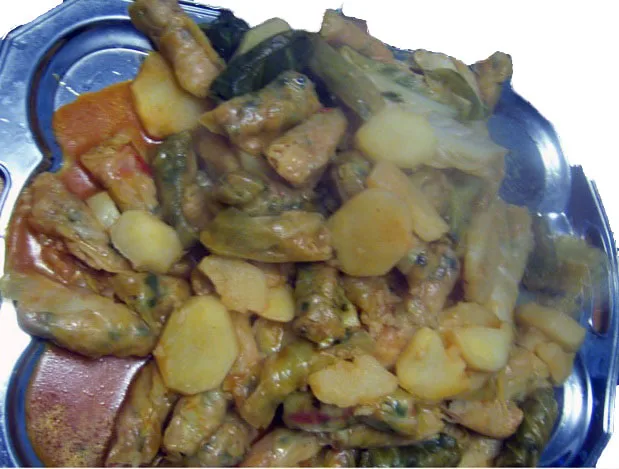
Vegetables stuffed with herbed rice and simmered in tomato sauce or stock. Vine leaves (wara' enab), courgettes, aubergines, peppers and cabbage are all used, and a mixed platter is the classic way to serve them. The rice filling is flavoured with dill, parsley, mint and tomato and sometimes minced meat. Rolling vine leaves is a family job, and mahshi is a fixture at weekend lunches.
Fattah فتة
A festive dish of crisp toasted bread layered with rice and covered with a garlicky tomato-vinegar sauce, topped with chunks of boiled lamb or beef. It is the traditional centrepiece of Eid al-Adha, when meat from the sacrifice is shared, and of celebrations such as births. Fattah is heavy and rich, best eaten for lunch with a long afternoon ahead.
Macarona bechamel مكرونة بشاميل
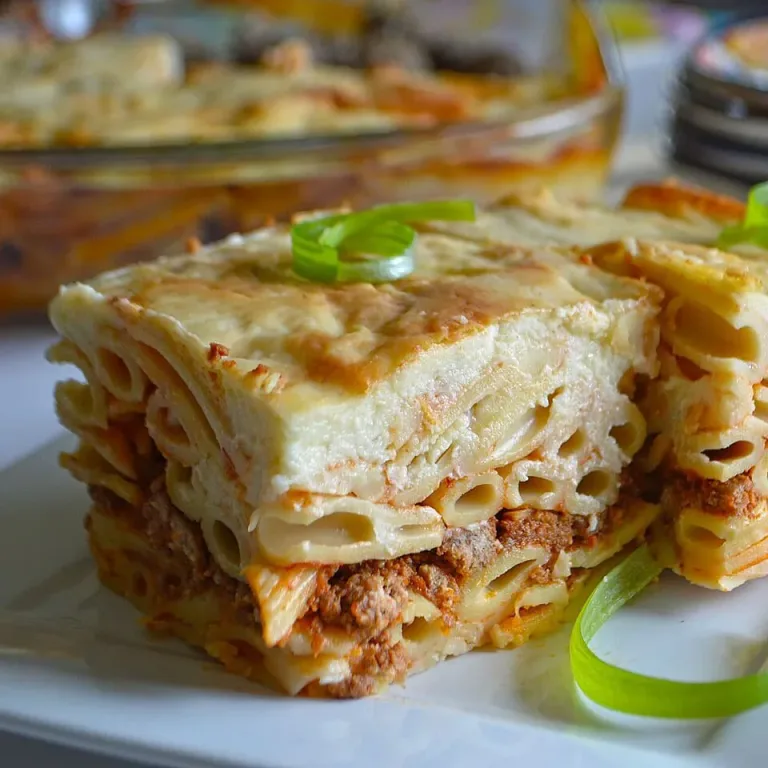
Egypt's answer to lasagne: penne pasta layered with minced beef cooked in tomato and onion, topped with a thick béchamel sauce and baked until golden. It reflects the Italian and French influence on Egyptian home cooking in the twentieth century. It is a regular at family gatherings and Ramadan iftars, usually served with a green salad.
Hamam mahshi حمام محشي
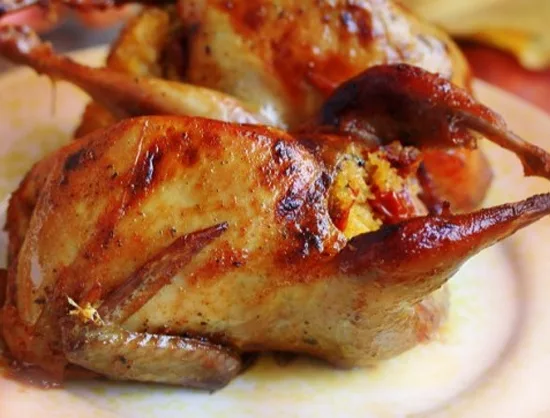
Pigeons stuffed with spiced freekeh (green wheat) or rice, then boiled and roasted or grilled until the skin is crisp. Pigeon has been raised in Egypt for millennia, and the dovecote towers seen in the countryside still supply it. It is eaten with the hands, and the small bones are part of the experience. Some people see it as a dish for newlyweds.
Kebab and kofta كباب وكفتة
Charcoal-grilled lamb cubes (kebab) and spiced minced meat on skewers (kofta), sold by weight and served on parsley with baladi bread, tahini, salads and pickles. Grill houses (kababgi) are a big part of eating out in Egypt, and a Friday family meal of mixed grills is a ritual. Lamb chops (rayash) and grilled liver are often on the same menu.
Sayadeya صيادية
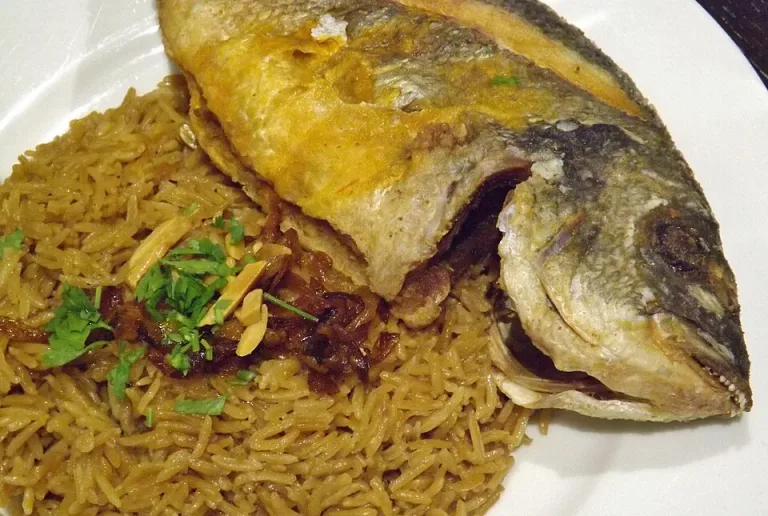
An Alexandrian fisherman's dish of white fish cooked with rice that has been browned with caramelised onions, giving it a deep brown colour and a sweet, savoury flavour. The fish, usually bass, bream or mullet, is fried or baked and laid over the rice, often with a tomato-onion sauce. Seafood restaurants by the sea sell it as a main and as a side to grilled fish.
Besarah بصارة
A thick, bright-green purée of dried split fava beans cooked with plenty of herbs such as dill, parsley, coriander and leek, then topped with crispy fried onions. It is an old peasant dish, served warm or cold with bread and often eaten in winter. Besarah is a good choice for vegetarians and vegans.
04
Dips and sides
Served with bread at the start of almost every meal.
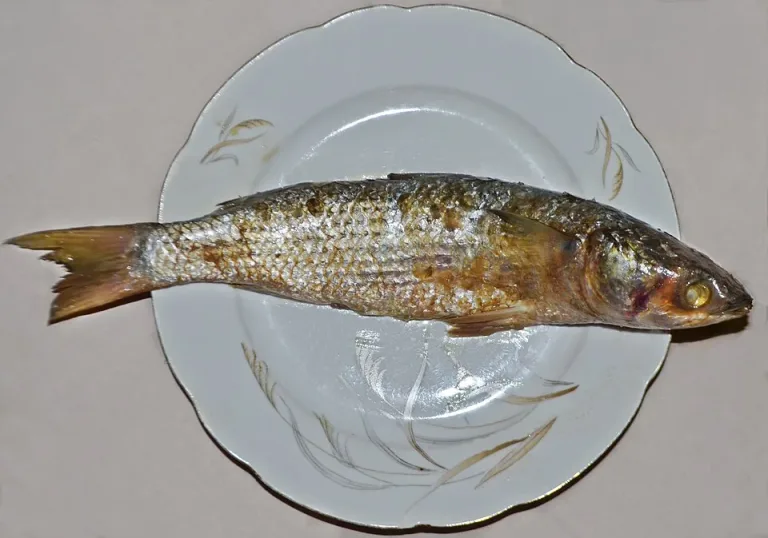
Fesikh فسيخ
Grey mullet that is sun-dried and then salted and fermented for weeks, producing a pungent fish with a strong, salty taste. It is eaten with lemon, onions and baladi bread, above all at Sham el-Nessim, the spring festival that dates back to ancient Egypt. Badly prepared fesikh can cause serious botulism poisoning, and health authorities warn every spring, so only eat it from long-established, reputable shops.
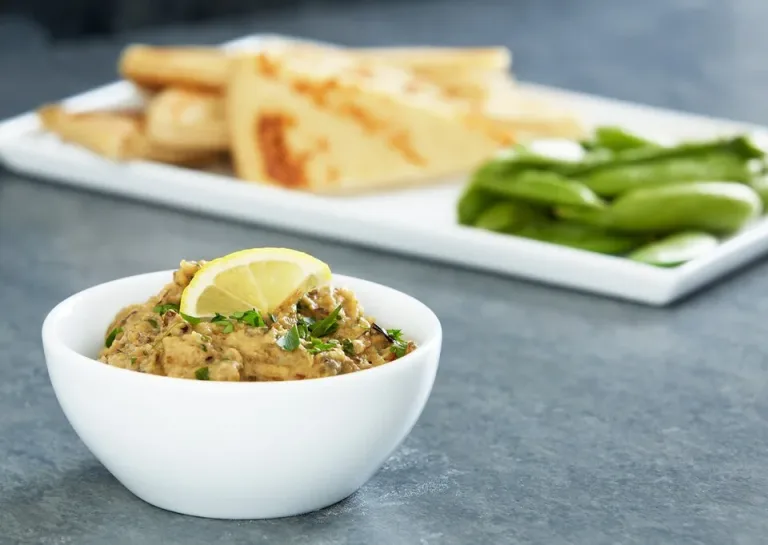
Baba ghanoug and tahina بابا غنوج وطحينة
Two dips that come with almost every Egyptian meal. Tahina is sesame paste whisked with water, lemon, garlic and cumin into a smooth sauce. Baba ghanoug mixes smoky grilled aubergine with tahina, garlic and lemon. Both are vegan, served with bread, pickles (torshi) and salad, and they accompany grills, ta'meya and fish.
05
Desserts and sweets
Rich, syrupy and best from a busy sweet shop. Many are tied to Ramadan and Eid.
Roz bel laban رز باللبن
Creamy rice pudding cooked slowly in milk and sugar, flavoured with vanilla or mastic and sometimes rose or orange blossom water. It is served chilled in small clay or glass pots, often topped with nuts, raisins or cinnamon, and baked versions have a caramelised top. Egyptians eat it as an everyday dessert, especially during Ramadan.
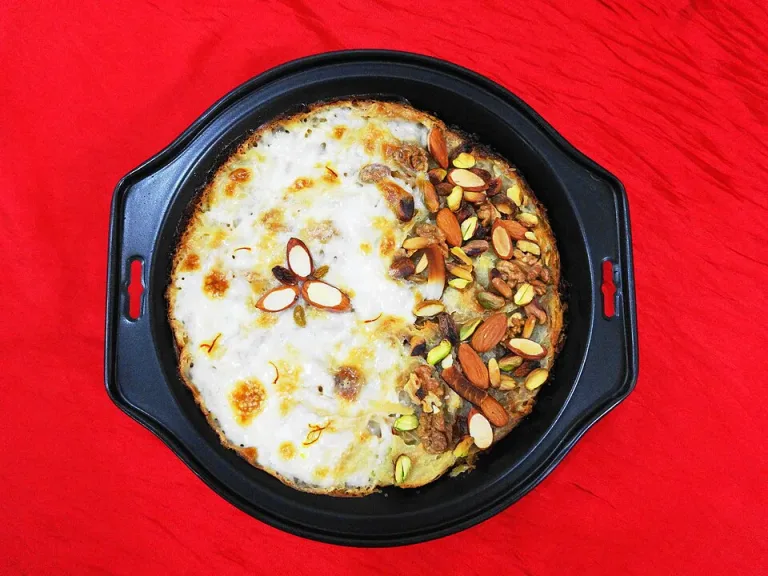
Om Ali أم علي
Egypt's best-known hot pudding: pieces of puff pastry or flaky bread soaked in sweetened hot milk with nuts, raisins and coconut, then baked until bubbling and golden. Popular stories link its name to a medieval Mamluk-era rivalry. It is rich and comforting, and a favourite in winter and at hotel buffets.
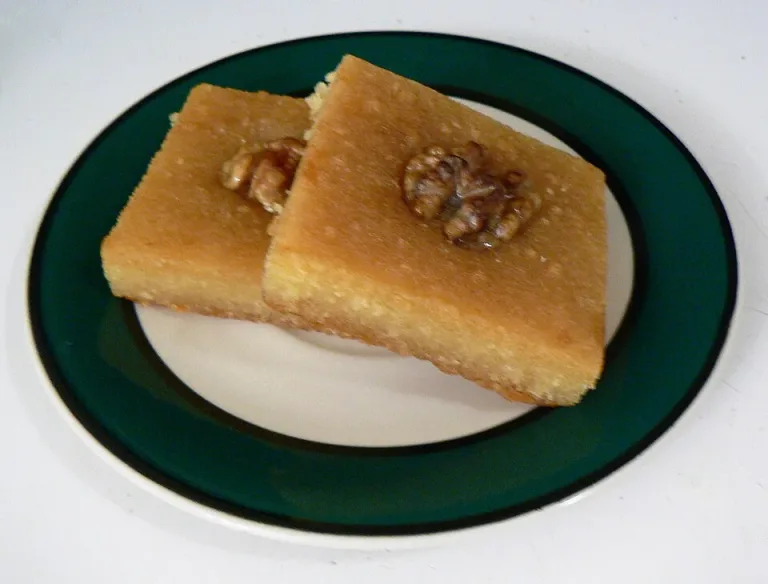
Basbousa بسبوسة
A dense semolina cake soaked in sugar syrup after baking, cut into diamonds and often topped with an almond or hazelnut. Versions include coconut, cream-filled (with eshta) or nut-stuffed. It is sweet and moist, costs little, and is a staple of patisserie windows, family celebrations and Ramadan evenings. Similar cakes are found across the region under names such as harissa and revani.
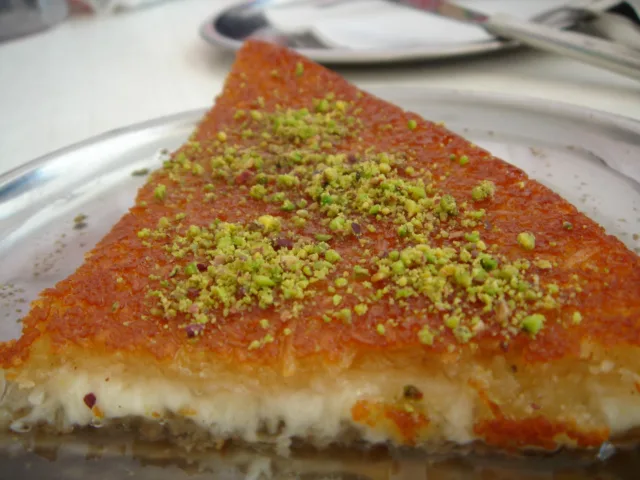
Konafa كنافة
Thin strands of pastry baked with butter until crisp and filled with cream, nuts, cheese or more modern fillings such as mango or chocolate, then drenched in syrup. Konafa is the essential Ramadan sweet, when street bakers spin the strands fresh on large round griddles. Its smaller cousin, qatayef, is a folded pancake stuffed with nuts or cream.
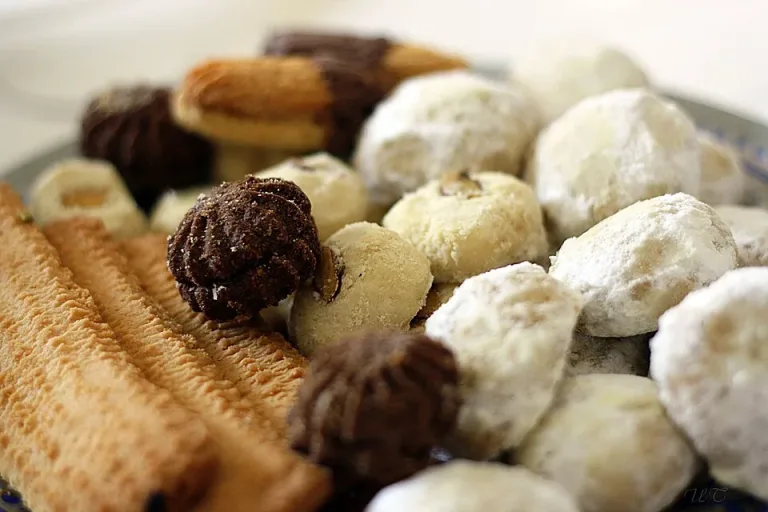
Kahk كحك
Round butter biscuits dusted with powdered sugar, sometimes filled with dates, honey-nut paste (agameya) or pistachio. Kahk is baked in huge quantities before Eid al-Fitr, and decorating them with patterned tongs is a family occasion. Similar biscuits appear in tomb paintings, which suggests a very long history. Shops also sell them alongside ghorayeba and petit fours.
06
Drinks
Fresh juices from street stalls, hot drinks from the coffee house, and the flavours of Ramadan.
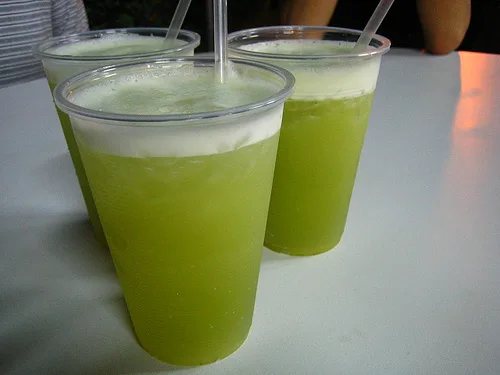
Sugarcane juice عصير قصب
Freshly pressed in front of you at juice shops, sugarcane juice (asab) is pale green, very sweet and refreshing on a hot day. The cane comes mostly from Upper Egypt and is crushed through steel rollers. Juice bars also sell fresh mango, guava, orange and strawberry, depending on the season. Choose clean, busy shops and ask for no ice if you are unsure of the water.
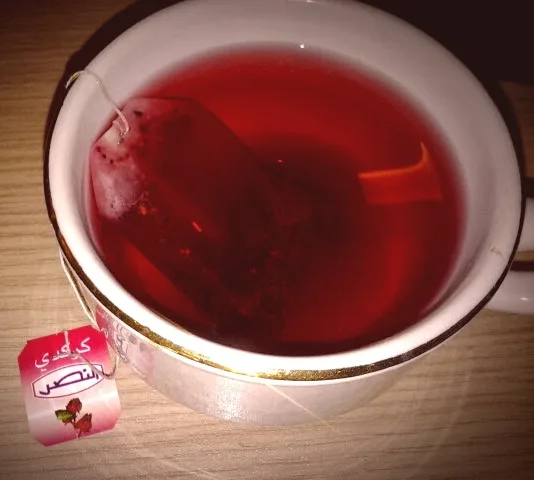
Karkadeh كركديه
A deep-red infusion of dried hibiscus flowers, served chilled and sweetened in summer or hot in winter. It is tart and fruity and widely believed to lower blood pressure. It is traditionally offered to guests, at weddings and at Ramadan iftars, and is often the welcome drink on Nile cruises. The best hibiscus comes from Aswan, where markets sell it in sacks.
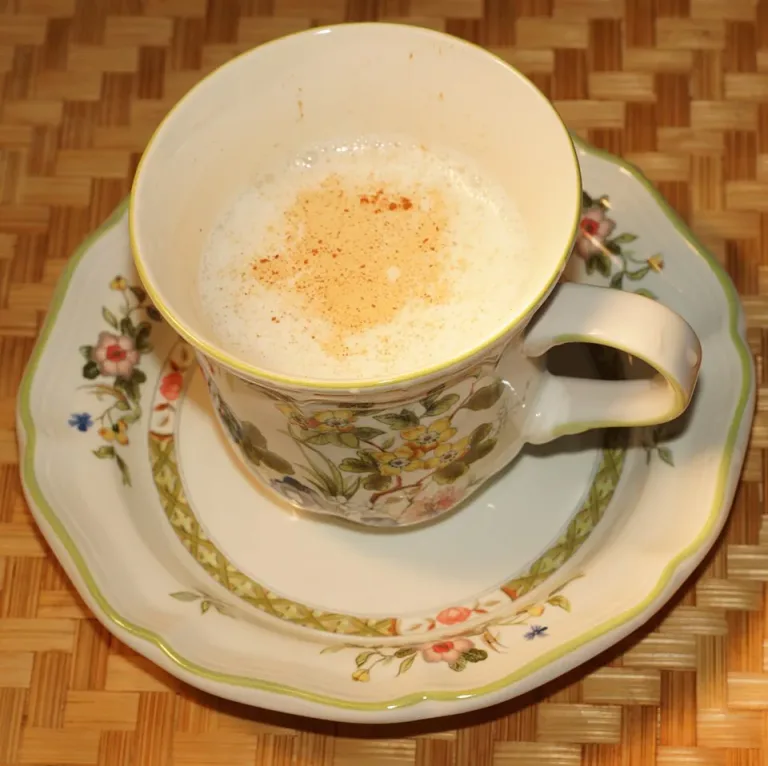
Sahlab سحلب
A thick, sweet, hot milk drink traditionally thickened with orchid-root flour (today often cornflour), flavoured with vanilla or rose water and topped with coconut, nuts, raisins and cinnamon. It is a winter favourite in cafes and at street stalls, sold in glasses or bowls, and is filling enough to count as a light dessert on a cold Cairo evening.
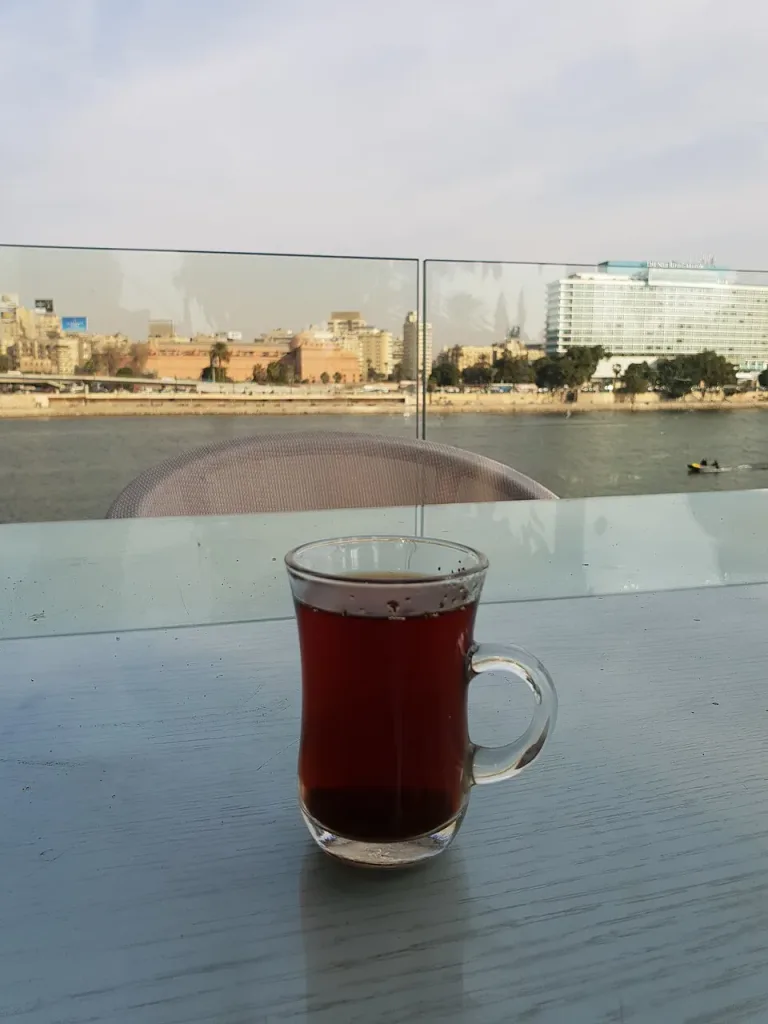
Mint tea شاي بالنعناع
Tea is Egypt's everyday drink, brewed strong from black loose-leaf tea and served in small glasses with plenty of sugar. Fresh mint (shai bel na'na') is a common addition, and milky tea (shai bel laban) is popular at breakfast. In Upper Egypt, tea is often boiled strong and dark (saiidi tea). Shopkeepers and hosts commonly offer tea to visitors as a sign of hospitality.
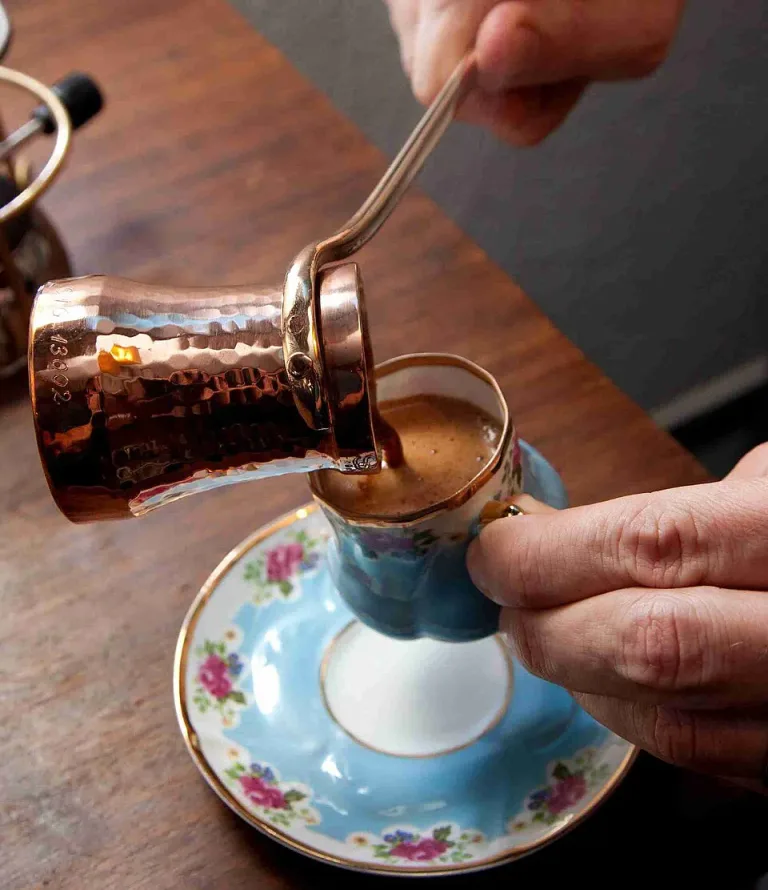
Turkish coffee قهوة تركي
Finely ground coffee boiled in a small long-handled pot (kanaka) and served unfiltered in small cups with the grounds settled at the bottom. You order it by sweetness: sada (no sugar), arriha (a little), mazboot (medium) or ziyada (sweet). Many cafes add cardamom. Sip slowly and stop before the sludge. It is the ritual drink at business meetings and condolence gatherings.
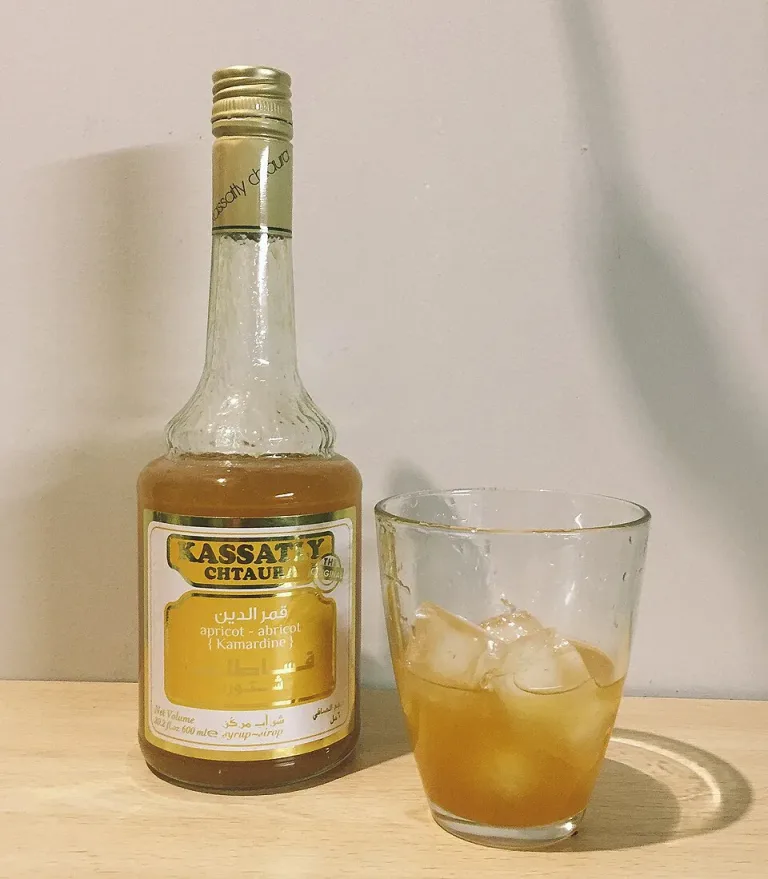
Qamar el-din قمر الدين
A thick, sweet apricot drink made by dissolving sheets of dried apricot paste in water. It is the signature drink of Ramadan, served at iftar to break the fast alongside dates, tamarind (tamr hindi) and carob (kharroub) drinks. The apricot sheets are also eaten as a chewy snack or made into a pudding.
Tea is drunk all day, strong and sweet, often with fresh mint. Coffee is usually Turkish-style, ordered by sweetness. The traditional ahwa (coffee house) is a mostly male place for shisha, backgammon and football, though modern cafes are mixed.
07
Etiquette and eating well
Some etiquette: eat and pass food with your right hand, accept at least a little of what you are offered, and expect your host to keep refilling your plate. Leaving a small amount shows you are full. Tipping of around 10% is normal in restaurants even when a service charge is added.
Frequently asked questions
What is the national dish of Egypt?
Koshari and ful medames both claim the title. Koshari, a mix of rice, lentils, pasta and chickpeas with tomato sauce and fried onions, was added to UNESCO’s list of intangible cultural heritage in December 2025.
Is Egyptian food good for vegetarians?
Yes. Ful, ta’meya, koshari, mahshi and most dips are meat-free. Ask whether rice or stews are cooked with meat stock or ghee.
What is the difference between ta’meya and falafel?
Egyptian ta’meya is made from fava beans instead of chickpeas, which makes it greener and softer inside.
Is street food safe to eat?
Usually, if you choose busy stalls where food is cooked fresh in front of you. Drink bottled or filtered water, and take care with raw salads and unpeeled fruit in your first days.
How much should I tip in restaurants?
Around 10% is normal, even when a service charge is already on the bill.
Last checked in October 2026. Restaurants and prices change, so confirm with the official source before you travel: ich.unesco.org, smithsonianmag.com, malaymail.com, en.wikipedia.org, egypt.travel.