Wadi El Allaqi Protected Area
Nature
A huge desert valley draining into Lake Nasser, where flooded shorelines support acacia woodland, gazelles and nomadic herders.
- Arabic name
- محمية وادي العلاقي
- Type
- Protected area
- Governorate
- Aswan
- Area
- 22,779 km²
- Protected since
- 1989 (UNESCO Biosphere Reserve 1993)
- Nearest city guide
- Aswan
- Official website
- eeaa.gov.eg
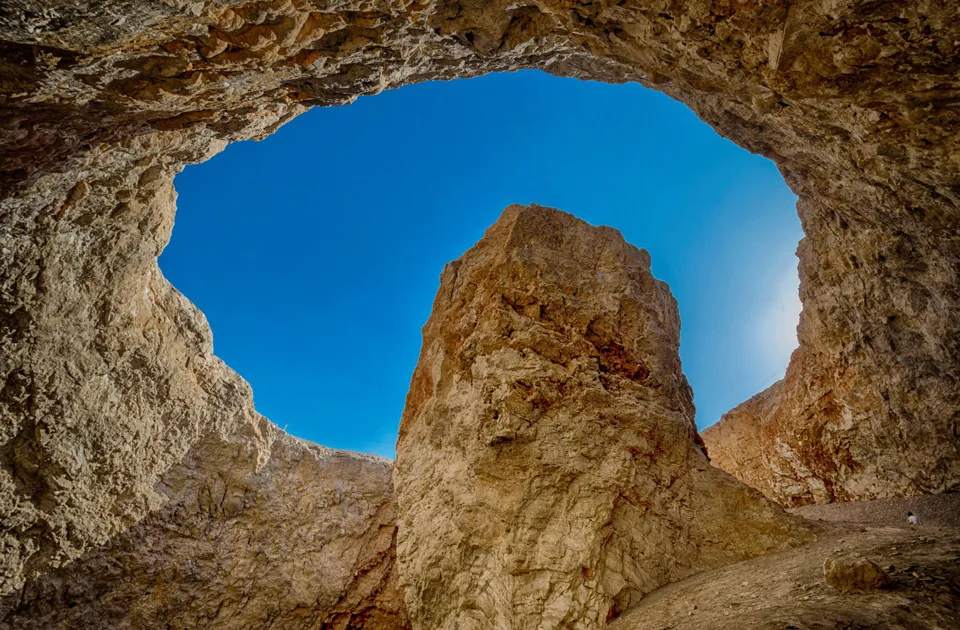
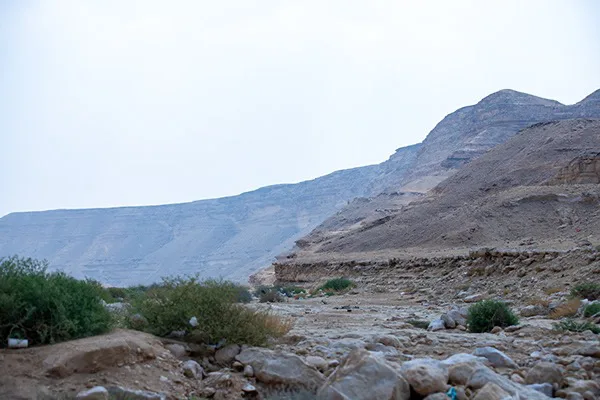
Wadi El Allaqi is one of the largest dry valleys of Egypt’s Eastern Desert. It runs from the Red Sea mountains westward to Lake Nasser, south-east of Aswan. When the High Dam created the lake, its waters backed up into the lower wadi, creating a rare meeting of desert and fresh water.
Landscape and wildlife
Rising and falling lake levels leave moist ground where acacia, tamarisk and grasses flourish, and these in turn feed camels, goats and wildlife. Dorcas gazelle, Nubian ibex, foxes, wildcats and many birds are present, and the wadi is an important route for migrating birds. The valley also holds ancient gold mines and the traditions of the Bisharin and Ababda peoples.
Visiting
Wadi El Allaqi is a remote scientific and community reserve, recognised by UNESCO as a biosphere reserve, and is not set up for tourism. Visits require permits and are arranged through the protectorate office in Aswan or specialist operators, often by boat across Lake Nasser or by 4×4. There are no facilities, so travel fully equipped.
Best time
November to February offers bearable temperatures; the rest of the year is extremely hot.
Entry fee: no public gate fee; permit costs apply (last checked October 2026).
Last checked October 2026. Entry fees and access rules change; check with the Egyptian Environmental Affairs Agency or a local operator before you go. Sources: eeaa.gov.eg, en.wikipedia.org.
Frequently asked questions
What is special about Wadi El Allaqi?
It is a huge Eastern Desert valley whose lower reaches are flooded by Lake Nasser, creating a rare meeting of desert and fresh water. It has been a UNESCO Biosphere Reserve since 1993.
What wildlife lives there?
Dorcas gazelle, Nubian ibex, foxes, wildcats and many birds, and the wadi is an important route for migrating birds. Acacia, tamarisk and grasses grow where the lake level rises and falls.
Do I need a permit?
Yes. Visits require permits and are arranged through the protectorate office in Aswan or specialist operators, by boat across Lake Nasser or by 4x4. There is no public gate fee, but permit costs apply.
What should I know before going?
There are no facilities, so travel fully equipped. November to February is the only time with bearable temperatures.