Wadi El Gemal – Hamata National Park
Nature
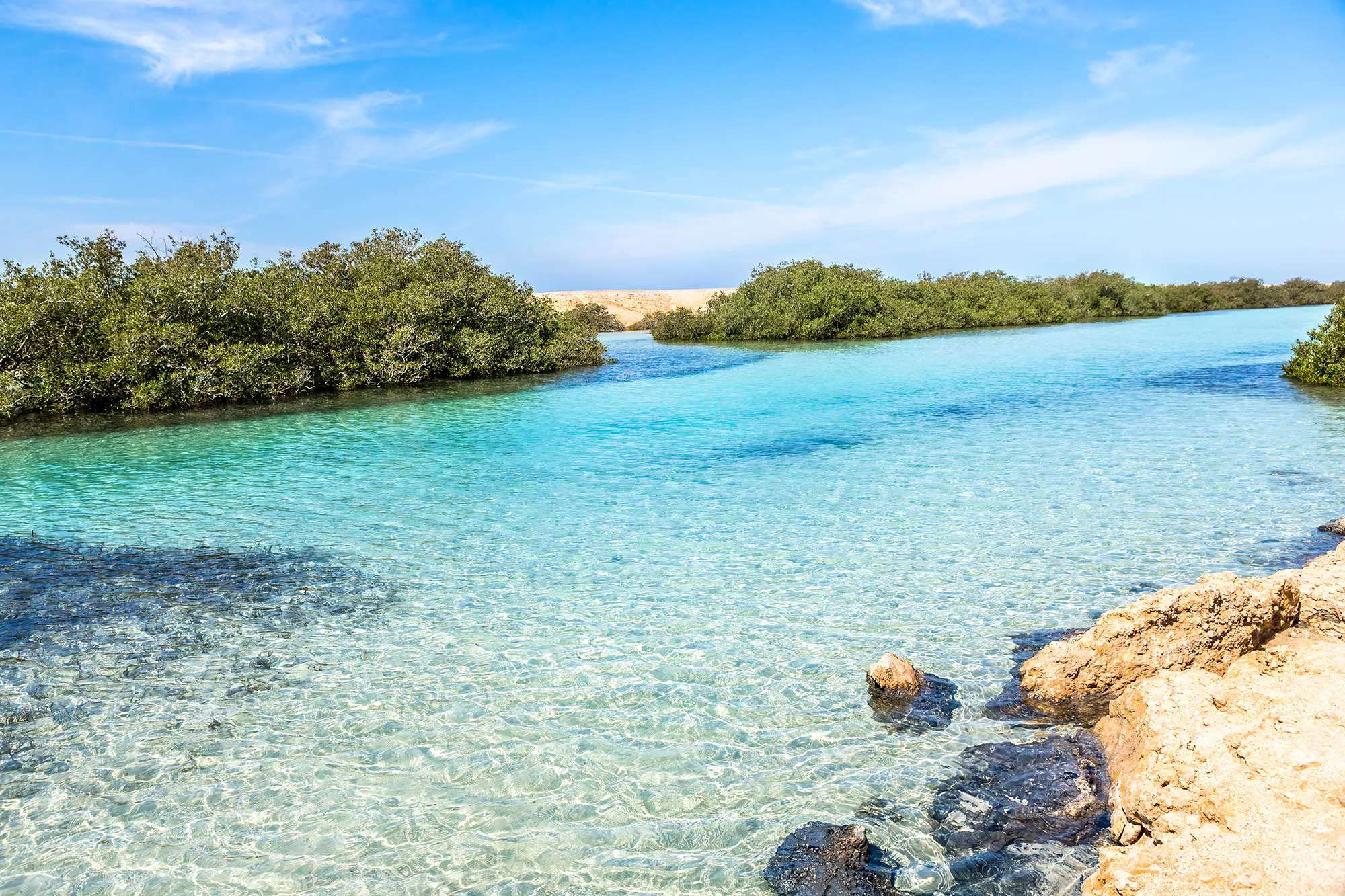
Mangroves, islands, dolphin reefs and desert valleys south of Marsa Alam, combining marine life with Bedouin culture and ancient emerald mines.
- Arabic name
- محمية وادي الجمال – حماطة
- Type
- National park
- Governorate
- Red Sea
- Area
- 7,637 km²
- Protected since
- 2003
- Nearest city guide
- Marsa Alam
- Official website
- eeaa.gov.eg
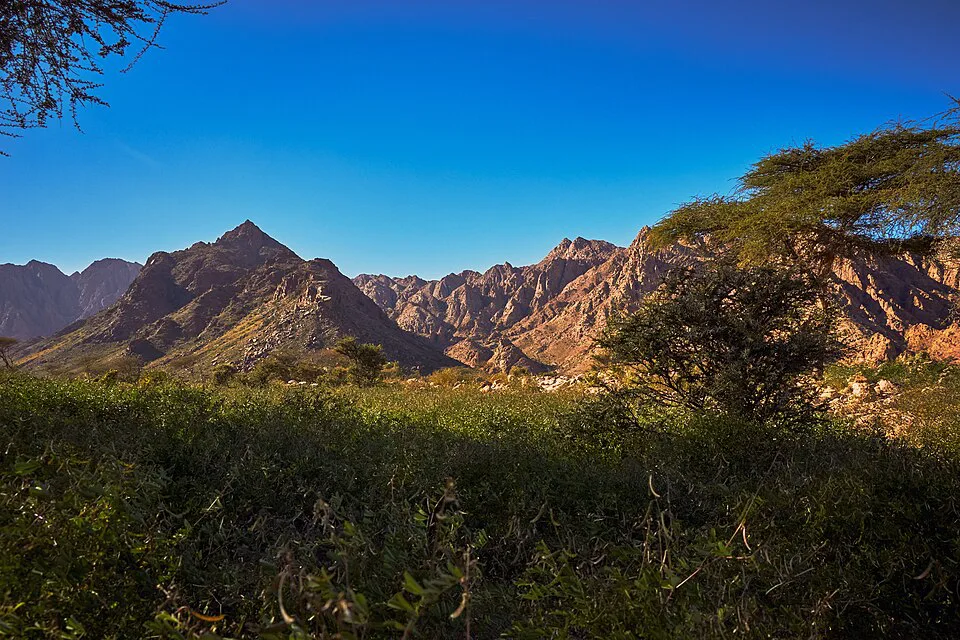
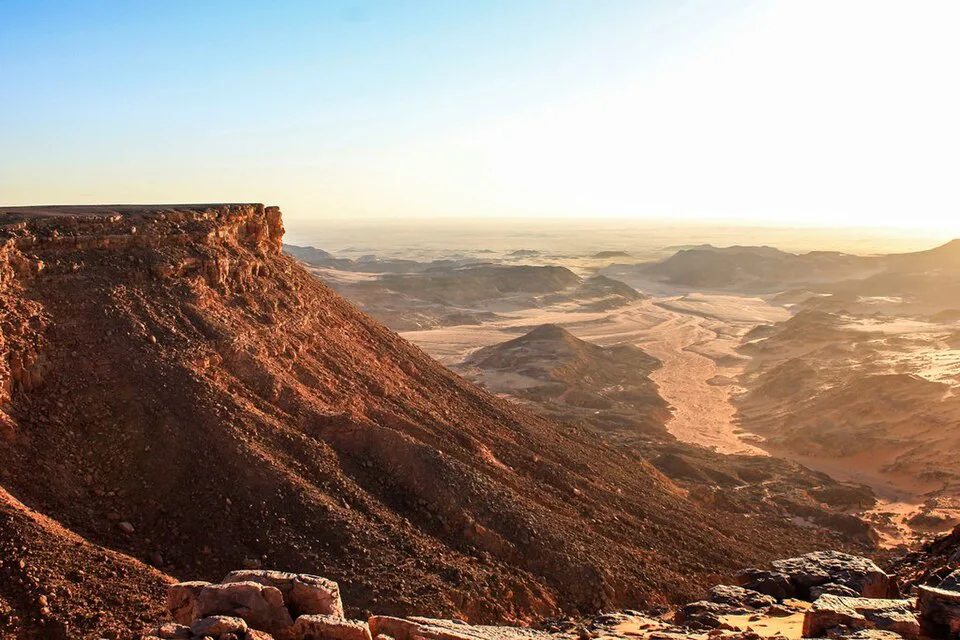
Wadi El Gemal – Hamata National Park covers a long stretch of coast south of Marsa Alam and a large area of the Eastern Desert inland. Its name, the Valley of the Camels, comes from one of the largest wadis in the region, which reaches the sea in a delta of mangroves and acacia trees.
Wildlife and landscape
On land, the park shelters dorcas gazelle, Nubian ibex, red foxes and many birds, including sooty falcons and ospreys. The Hamata islands, such as Qulan and Siyul, have white sand beaches and important seabird colonies. Offshore reefs are among the healthiest in Egypt, and Sataya Reef is famous for its resident spinner dolphins. Inland lie the Roman-era emerald mines of Sikait, known in antiquity as Mons Smaragdus, along with traces of ancient trade routes.
What to do
- Snorkel with dolphins on a boat trip to Sataya.
- Visit the Qulan islands for beaches and snorkelling.
- Take a desert excursion to Sikait and meet Ababda Bedouin.
- Dive the southern reefs from Hamata.
Getting there and best time
The park begins about 45 km south of Marsa Alam; Marsa Alam International Airport is the nearest airport. September to May is most comfortable, though the sea is warm all year.
Entry fee: a per-person protectorate fee is added to boat and desert trips (last checked October 2026).
Last checked October 2026. Entry fees and access rules change; check with the Egyptian Environmental Affairs Agency or a local operator before you go. Sources: eeaa.gov.eg, en.wikipedia.org.
Frequently asked questions
What makes Wadi El Gemal special?
It combines some of Egypt's healthiest reefs, mangroves and island beaches with a large stretch of Eastern Desert. Inland lie the Roman-era emerald mines of Sikait (Mons Smaragdus) and the lands of the Ababda Bedouin.
Can I swim with dolphins?
Boat trips to Sataya Reef are famous for its resident spinner dolphins. Follow your crew's guidance and keep a respectful distance.
What wildlife lives on land?
Dorcas gazelle, Nubian ibex, red foxes and many birds, including sooty falcons and ospreys. The Hamata islands, such as Qulan and Siyul, have important seabird colonies.
How do I get there?
The park begins about 45 km south of Marsa Alam, and Marsa Alam International Airport is the nearest airport. Boat and desert trips run from Marsa Alam and Hamata.
When is the best time and is there a fee?
September to May is most comfortable, though the sea is warm all year. A per-person protectorate fee is added to boat and desert trips.