Aswan Botanical Garden (Kitchener’s Island)
Nature
An island garden in the Nile at Aswan, filled with tropical trees and shrubs from around the world, reachable only by boat.
- Arabic name
- حديقة النباتات بأسوان (جزيرة النباتات)
- Type
- Park and garden
- Governorate
- Aswan
- Area
- approx. 0.07
- Protected since
- Laid out from the 1890s
- Nearest city guide
- Aswan
The Aswan Botanical Garden occupies a small island in the Nile, west of Elephantine. In the 1890s the island was given to Lord Kitchener, who filled it with plants from India, Africa and beyond. Today the Ministry of Agriculture runs it as a botanical research garden, and it is one of the quietest spots in Aswan.
What to see
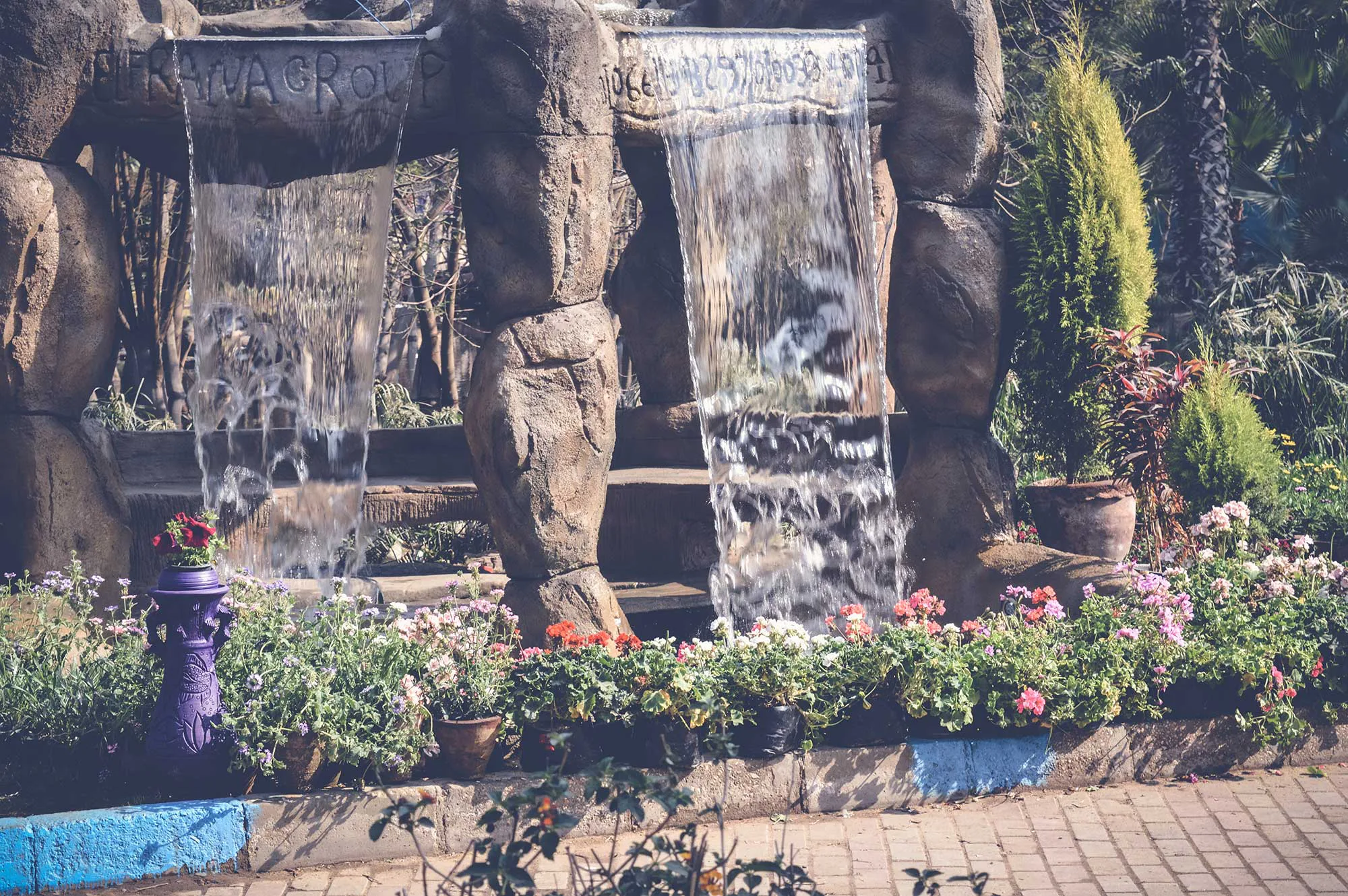
Shaded paths wind past royal palms, mahogany, ficus, bamboo, flowering bougainvillea and fragrant tropical shrubs, many labelled with their names. The garden attracts birds such as hoopoes, bulbuls and kingfishers, and its riverbanks offer views of the granite boulders of the cataract and the Aga Khan Mausoleum on the west bank.
What to do
- Arrive by felucca and spend an hour strolling under the trees.
- Combine the visit with Elephantine Island, the Nubian villages and the Saluga and Ghazal protectorate.
- Bring binoculars for birdwatching.
Getting there and best time
Feluccas and motorboats from the Corniche reach the island in about 10 to 15 minutes, and boatmen will wait while you visit. Late afternoon, when the light softens, is the most pleasant time. October to April has the best weather.
Entry fee: a modest ticket for foreign visitors, paid at the landing stage; boat hire is separate (last checked October 2026).
Last checked October 2026. Entry fees and access rules change; check with the Egyptian Environmental Affairs Agency or a local operator before you go. Sources: en.wikipedia.org.
Frequently asked questions
How do I reach Kitchener's Island?
The garden is on an island in the Nile and can only be reached by boat. Feluccas and motorboats from the Aswan Corniche take about 10 to 15 minutes, and boatmen will usually wait while you visit.
What will I see there?
Shaded paths pass royal palms, mahogany, ficus, bamboo, bougainvillea and tropical shrubs, many labelled, brought from India, Africa and beyond since the 1890s. There are views of the cataract boulders and the Aga Khan Mausoleum.
Is it good for birdwatching?
Yes. Hoopoes, bulbuls and kingfishers are regularly seen, so bring binoculars.
What does it cost and when should I go?
There is a modest ticket for foreign visitors, paid at the landing stage; boat hire is separate. Late afternoon is the most pleasant time, and October to April has the best weather.