Desert and oasis trips
Tourism Type
Egypt is more than 90% desert. Most trips into it use 4×4 vehicles with a driver-guide, a cook and simple camping gear. Some areas need permits, which a licensed operator arranges for you.
White Desert and Black Desert from Bahariya
The classic overnight trip starts in Bawiti, the main town of El Bahariya Oasis, about five hours’ drive from Cairo. On the way south you pass the Black Desert, where volcanic stones cover the sand-coloured hills, and Crystal Mountain, a ridge of quartz crystals. Then you reach the White Desert protected area, with its wind-carved chalk formations. Most groups camp among the formations and are back in Bawiti the next morning. Foreign visitors need a permit and an official guide for the White Desert and Bahariya areas, so book through a licensed company.
Siwa Oasis
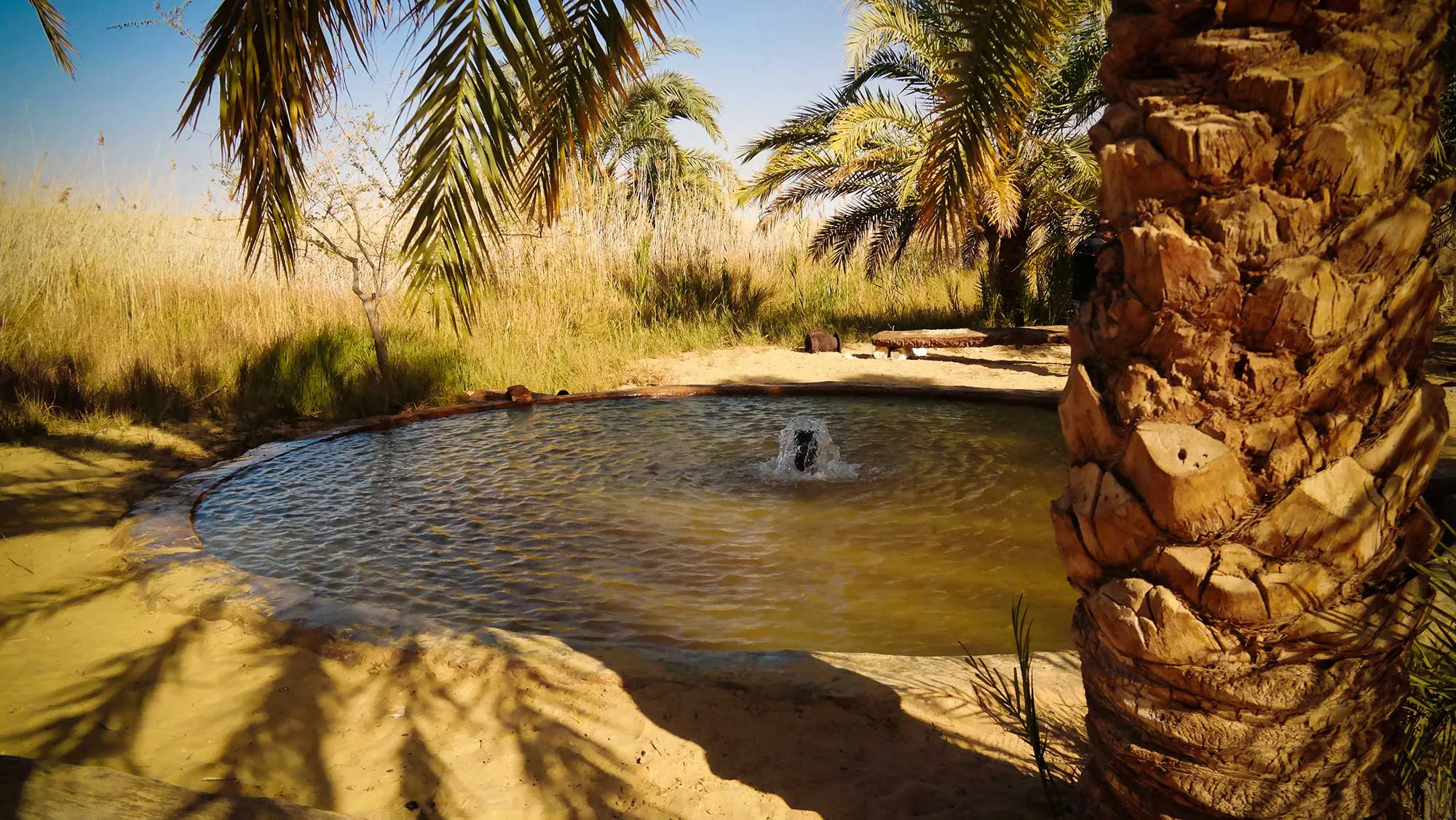
Siwa lies close to the Libyan border, and the usual approach is the road from Marsa Matrouh. Highlights include the mud-brick ruins of the old Shali fortress, the salt lakes, where you can float as easily as in the Dead Sea, and dune trips into the edge of the Great Sand Sea with sandboarding and a swim in a warm spring. Trips into the desert beyond town use local 4×4 operators, who handle any paperwork.
Wadi El Rayan and Wadi El Hitan from Faiyum
This is an easy day trip from Cairo. Wadi El Rayan has two lakes joined by Egypt’s only waterfalls, plus the dunes around Magic Lake. Further into the desert, Wadi El Hitan (Valley of the Whales) is a UNESCO World Heritage Site where fossil skeletons of early whales lie along a marked trail, and there is a small museum. Visits follow set routes inside the protected area.
Sinai
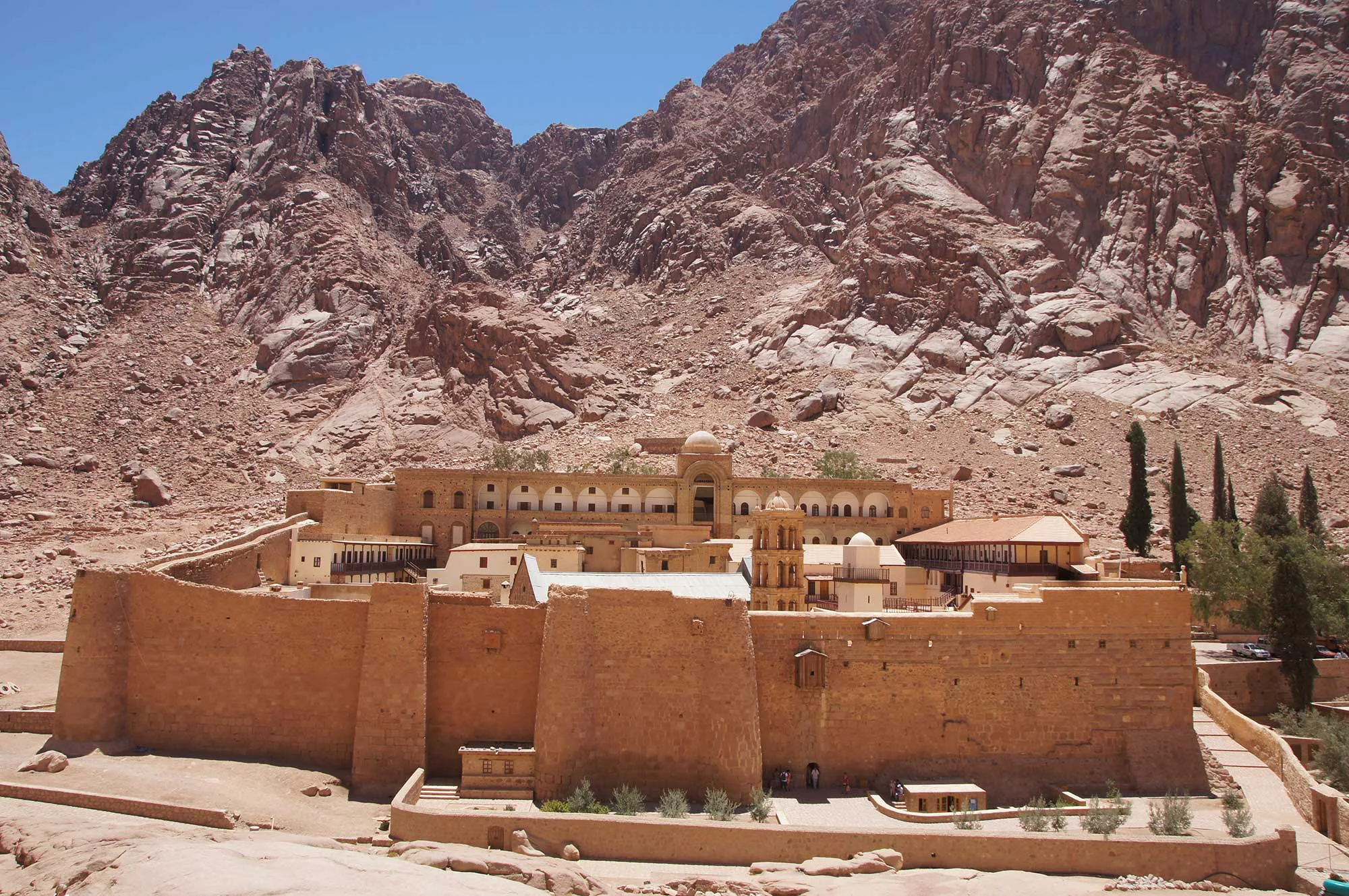
From Dahab or Nuweiba, jeep-and-hike trips go to the Coloured Canyon, a narrow slot of red, yellow and purple sandstone. Near St Catherine, most visitors climb Mount Sinai at night to watch the sunrise from the summit. The walk takes about two to three hours, local Bedouin guides lead it, and it is very cold at the top in winter.
Gilf Kebir expeditions
The Gilf Kebir plateau, in the far south-west, is known for its prehistoric rock art, including the “Cave of Swimmers”. It is a remote expedition of a week or more by 4×4 convoy. Only specialist licensed operators can obtain the security permits, and an escort is normally required. Permits take weeks, so plan well ahead and ask the operator what is currently allowed.
How to plan
- Use licensed operators. Check that the company is licensed by the Ministry of Tourism and Antiquities and that it arranges the permits. Off-road travel needs a qualified guide and a Ministry of Interior permit.
- Best season: October to April. Days are warm and nights can drop near freezing in December and January. Avoid summer, when the heat is dangerous.
- What to bring: passport (needed at checkpoints), warm layers and a hat, sun protection, a head torch, wet wipes, and any medicines you need. Operators normally supply tents, mattresses, food and water, but ask what is included.
- Safety: never go into the desert without an experienced guide and at least one backup vehicle on longer routes. Make sure your insurance covers remote areas and evacuation.
- Prices vary with group size, distance and the number of nights, so ask the operator for a written quote.
Respect the protected areas. Take all rubbish out with you, and never remove fossils, crystals or stones.
Last checked October 2026. Sources: gov.uk, gov.uk, whc.unesco.org, rsis.ramsar.org, fjexpeditions.com.