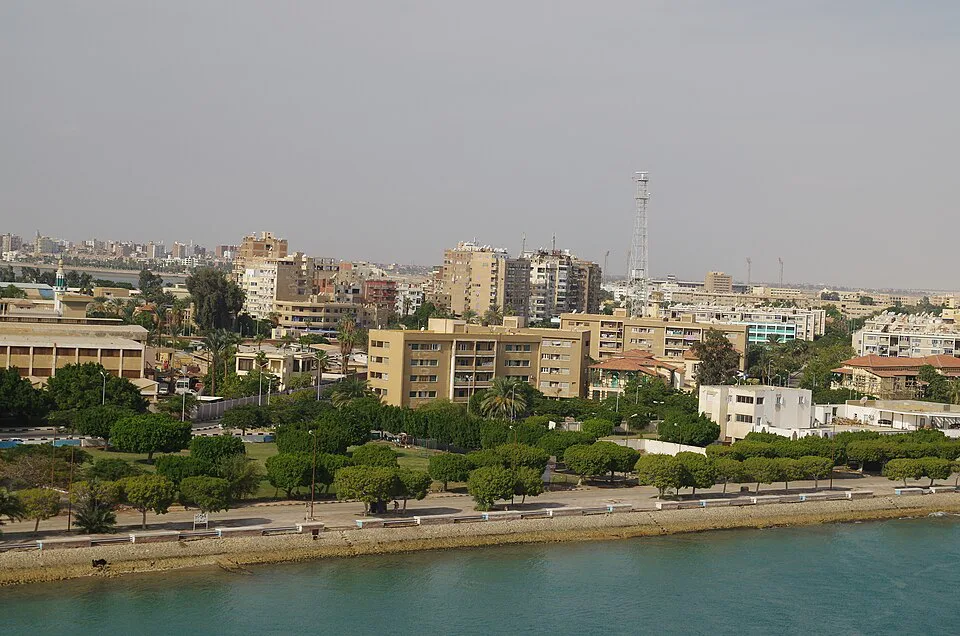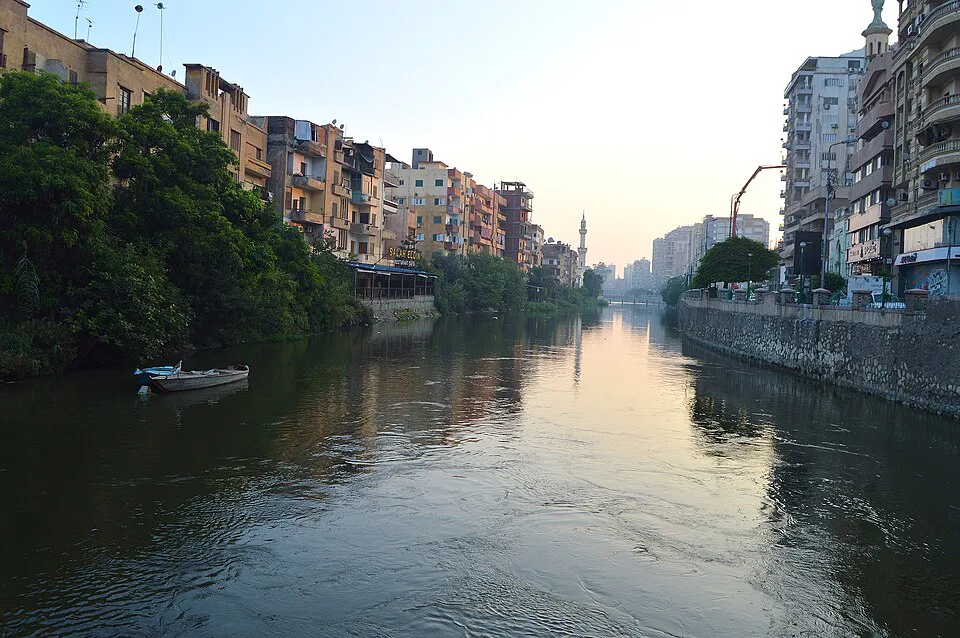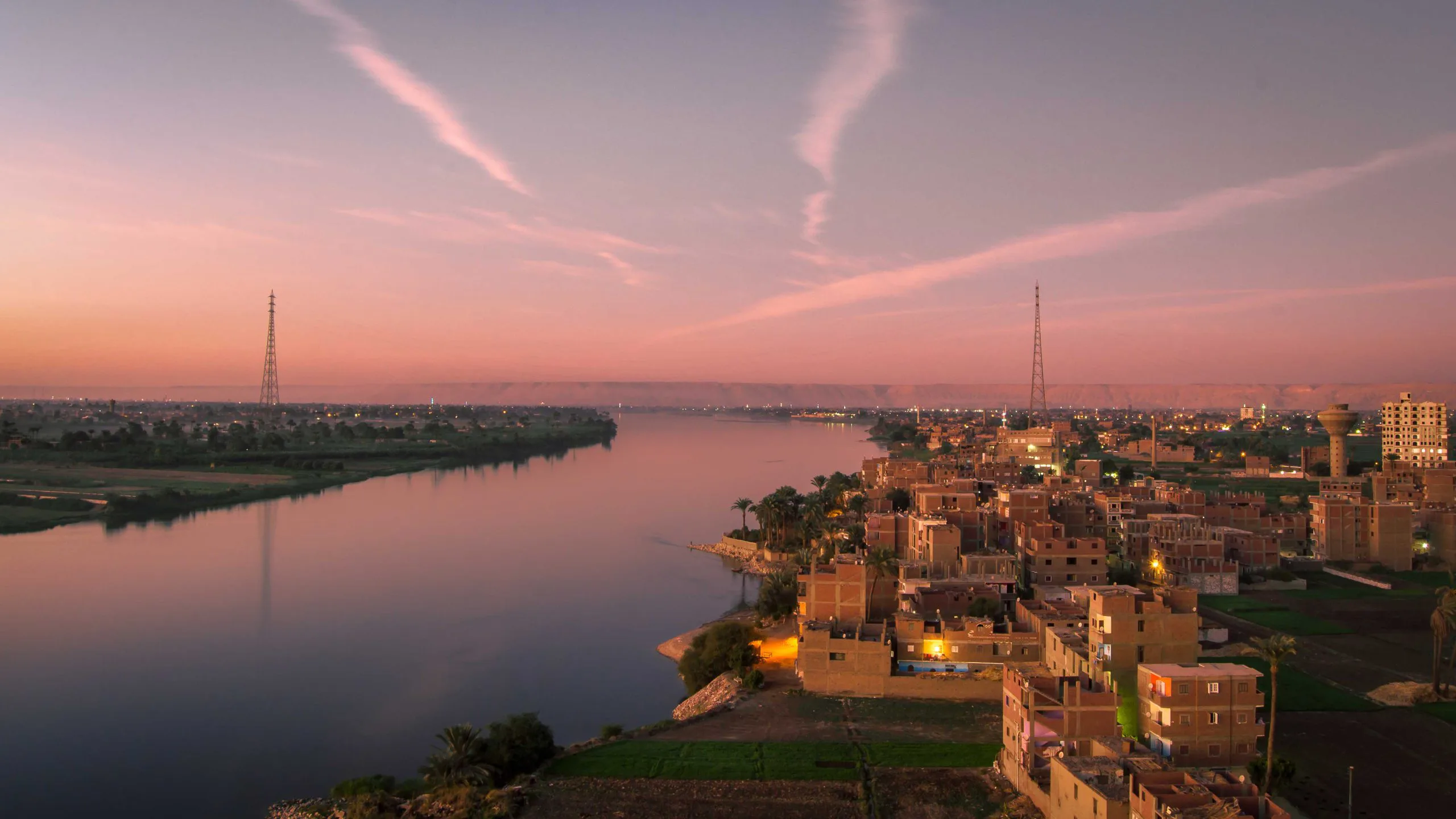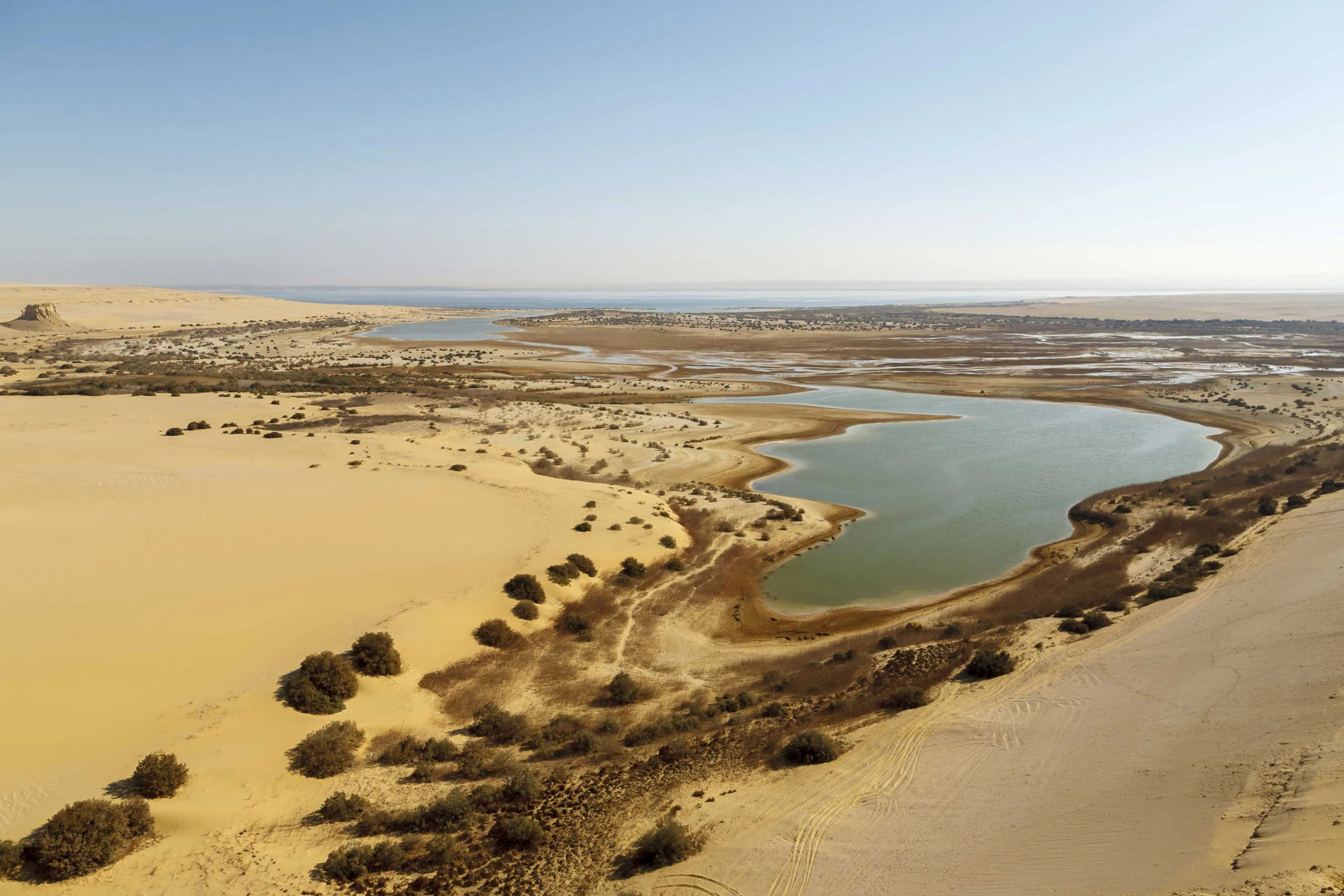
This Faiyum travel guide covers the best things to do in Faiyum: the whale fossils of Wadi El Hitan, the Wadi El Rayan waterfalls, Lake Qarun and Tunis Village pottery. Below you will also find the best time to visit Faiyum, how to get there and around, and where to stay.
The Faiyum Oasis
Wadi Hitan, known for its fossils of extinct whales, and Wadi El-Rayyan, with the largest waterfalls in Egypt, are both protected areas, and each represents a different phase of natural history.
The area’s human history runs from the prehistoric farming communities around Lake Qarun to Itj-Tawy, the little-known Middle Kingdom capital of Egypt. Along the way are Twelfth Dynasty pyramids and monuments, a well-known Ptolemaic temple and the Roman town beside it.
Monasteries, the Ottoman-era Hanging Mosque, the ancient monuments and the natural scenery together make Al Faiyum one of Egypt’s best-known tourist areas.
Historical background
Lake of Qarun
The history of this ancient city started several hundred centuries before the unification of Egypt, with one of the oldest farming communities known until now, where people gathered around the Lake of Qarun, and thus its known as the Qarunian Culture.
Valley of Whales Protectorate (Wadi Hitan)
It is a paleontological site, a UNESCO World Heritage site, famous for the fossilized whales, the earliest -now extinct- forms of whales, in a desertified place which once was a lake suitable for the life of the extinct whales.
Wadi El Rayan
To the southeast, another natural protectorate exists, the lake and waterfalls of Wadi El Rayan, a heavenly site, 60 km west from the Nile which accommodates one of the world’s few remaining populations of the endangered gazelle species.
Pyramids at Faiyum
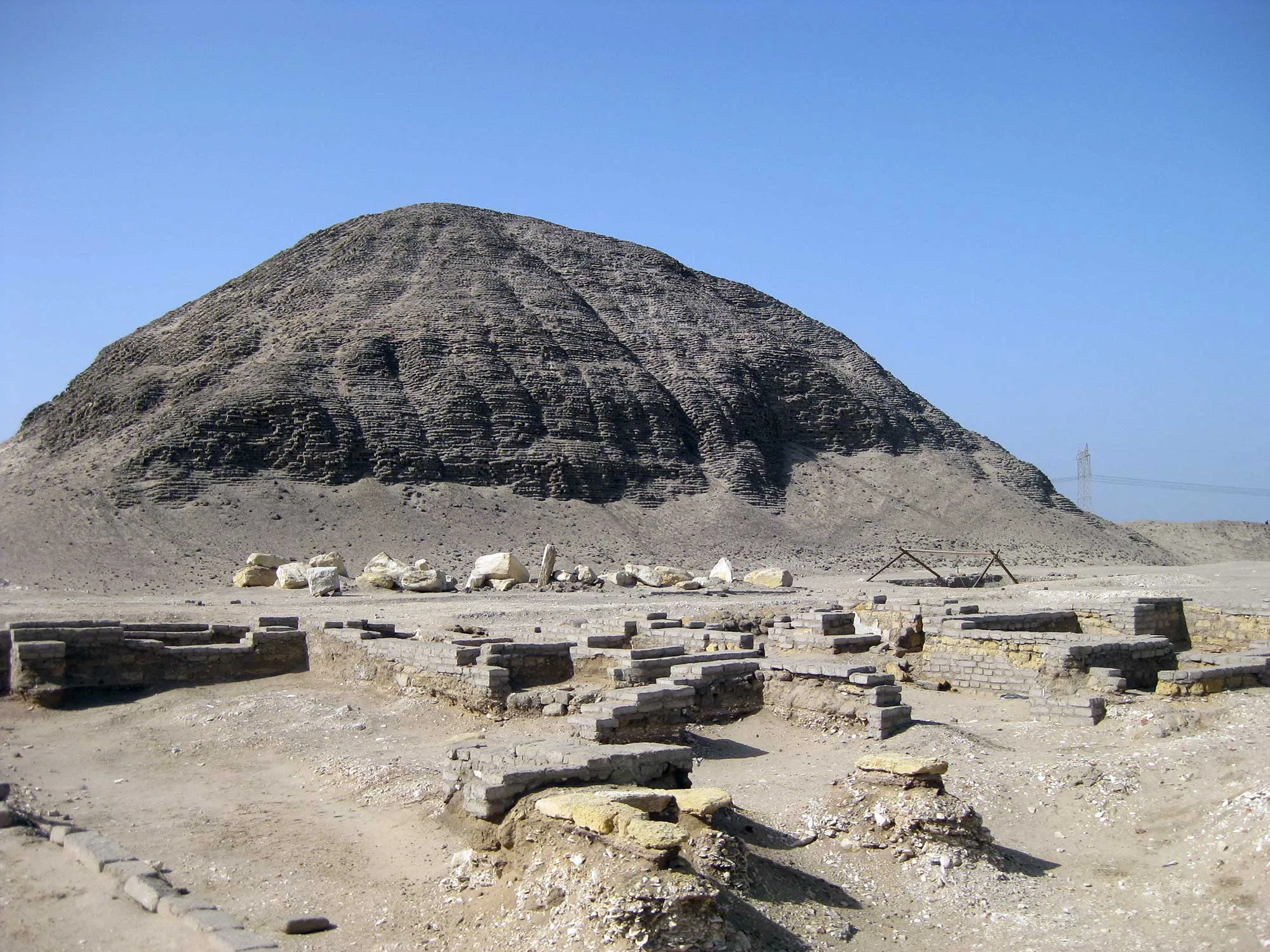
Although the site was abandoned in the Old Kingdom, kings of the Middle Kingdom realized its important strategic location and founded their new capital, Itj-Tawy (The Seizer of the Two Lands) there. The kings erected their pyramids at the royal cemeteries: El-Lahun, Hawara, and El-Lisht, built temples and shrines, and several monuments including colossal statues for Amenemhat III.
Qasr Qarun
On the northwestern side of the city, lies the lake of Qaroun and a famous temple dating from the Ptolemaic era and dedicated to Sobek, and it’s been a matter of scientific research, that on the twenty-first December of each year, rays of sunlight enter into the temple of Qasr Qaroun and illuminate the Holy of the Holies of the temple where statues of the god Sobek were placed and worshiped . As the temple remains in absolute darkness throughout the year and receives sunlight on this special day, the rare phenomenon is a scene that you just cannot afford to miss.
Kom Osheem Museum
In a transitional form of art, the Mummy Portraits, which were discovered by W.F. Petrie at a Greek/Roman Cemetery at Hawara, personifies the deceased in a spiritual form, these portraits flourished from the first Century BC until the end of the third Century AD, some of these portraits were transferred to Kom Osheem Museum.
Monasteries at Faiyum
In Faiyum, you’ll be able to visit The Monastery of Abu Khashaba, the oldest Monastery in the area, probably established in the fourth Century AD, and 12 martyrs of the city were buried in the southwest corner of the Monastery. Also, you can visit the oldest Church in the area (Virgin Mary Church) located within the Monastery Complex of Saint Abram, that dates to the twelfth Century AD.
The Hanging Mosque
Finally, an Ottoman mosque built by Sulaiman Ibn Hatim, The Hanging Mosque, named so, because it was built on a plateau, that can be reached from the bank of Bahr Yousef Channel.
Tourist ideas
Complete guide to Faiyum
About the city, its weather, the best time to visit and how to get there.
About Faiyum
- Arabic name
- الفيوم
- Governorate
- Faiyum (الفيوم)
- Region
- Middle Egypt
- Top landmark
- Wadi El Hitan (Valley of the Whales)
- Good for
- Nature, day trip
- Destination type
- Inland
- Travel region
- The Nile Valley
What is the weather like in Faiyum?
- Jan
- Apr
- Jul
- Oct
Average daytime highs, °C. Reference: Cairo and Giza.
When is the best time to visit Faiyum?
- Best season
- Oct–Apr
- Ideal stay
- Day trip or 1 night
How do I get to Faiyum?
- Nearest airport
- Cairo (CAI), ~100 km
About two hours by road from Cairo; most visitors come on a day trip or a one-night stay with a driver or tour.
What to see in Faiyum
- Wadi El Hitan (Valley of the Whales)
- Wadi El Hitan fossils
- Wadi El Rayan waterfalls
- Tunis Village pottery
- Lake Qarun
- Tunis Village
Archaeological sites in Faiyum governorate
Things to do from Faiyum
Day trips with hotel pickup, run by a local operator. Book directly with them.
Where to eat in Faiyum
Lazib Inn لازيب إن
Boutique eco-resort restaurant with garden and lake views.
Zad El Mosafer زاد المسافر
Rustic eco-lodge restaurant serving home-cooked village dishes.
Last checked October 2026. Opening hours and menus change; check with the venue before you go.
Shopping in Faiyum
Tunis Village Pottery Workshops ورش فخار قرية تونس
Village of pottery studios where you can watch potters at work and buy pieces directly.
Last checked October 2026. Opening hours and menus change; check with the venue before you go.
Frequently asked questions
When is the best time to visit Faiyum?
The best time to visit Faiyum is from October to April.
How do I get to Faiyum?
About two hours by road from Cairo; most visitors come on a day trip or a one-night stay with a driver or tour.
What is the nearest airport to Faiyum?
The nearest airport to Faiyum is Cairo International Airport (CAI), about 100 km away.
How many days should I spend in Faiyum?
Faiyum can be visited as a day trip or with 1 night's stay.
What are the must-see places in Faiyum?
Wadi El Hitan fossils, Wadi El Rayan waterfalls, Tunis Village pottery.
Where can I eat in Faiyum?
Popular choices include Lazib Inn, Zad El Mosafer. See the dining section above for more.
Where can I go shopping in Faiyum?
Try Tunis Village Pottery Workshops. See the shopping section above.