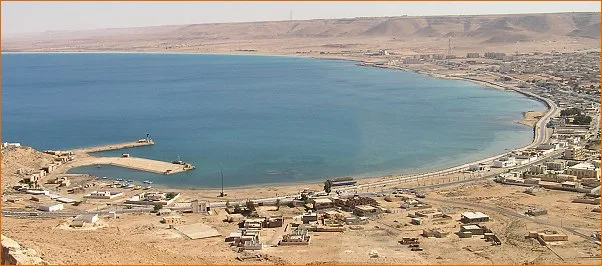
A small belt of high coastal sand dunes near Rafah, protected to preserve its dune habitat and planted vegetation.
- Arabic name
- محمية الأحراش
- Type
- Protected area
- Governorate
- North Sinai
- Area
- 3.30 km²
- Protected since
- 1985
- Nearest city guide
- El Arish
- Official website
- eeaa.gov.eg
Al-Ahrash is one of Egypt’s smallest protectorates, a strip of tall sand dunes on the Mediterranean coast of North Sinai near Rafah, close to the border. The name means thickets, after the trees and shrubs planted to stabilise the moving sand.
Landscape and wildlife
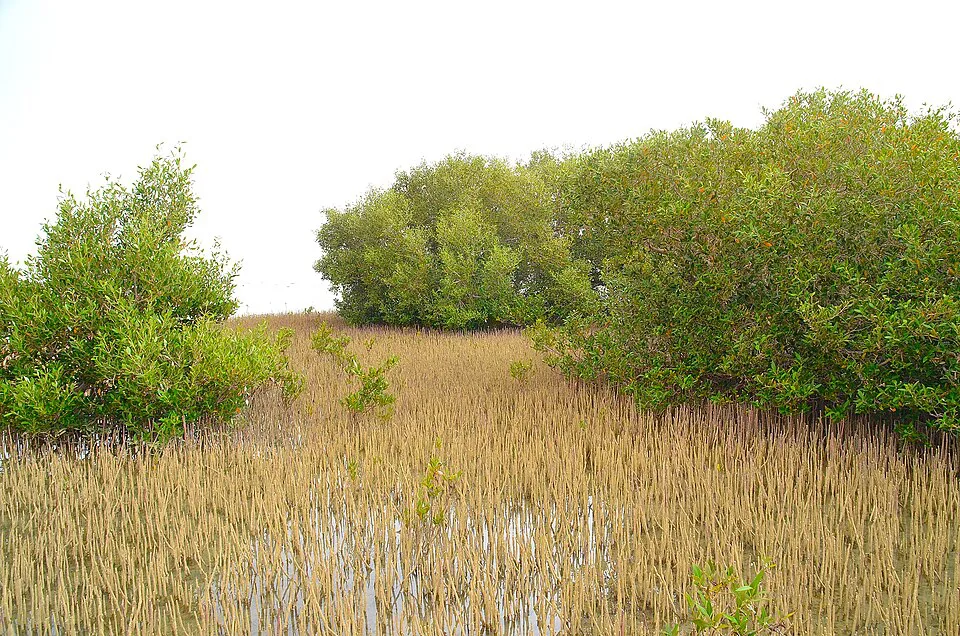
The dunes are among the highest on Egypt’s northern coast. Their vegetation, which includes acacia, tamarisk and native coastal plants, gives cover to reptiles, small mammals and migrating songbirds that cross the coast each spring and autumn. The site is managed as a habitat and species protected area.
Visiting
Because of its location in the border zone of North Sinai, the protectorate is currently not open to ordinary tourism. Travellers interested in the wildlife of the Sinai coast can visit the larger Zaranik protectorate to the west when access allows, or the coastal lagoons of Port Said.
Best time
If access reopens, spring and autumn bring migrating birds and mild weather; summer is hot and humid on this coast.
Entry fee: not applicable while access is restricted (last checked October 2026).
Last checked October 2026. Entry fees and access rules change; check with the Egyptian Environmental Affairs Agency or a local operator before you go. Sources: eeaa.gov.eg, en.wikipedia.org.
Frequently asked questions
Can I visit Al-Ahrash?
Not at present. It lies in the North Sinai border zone near Rafah and is currently closed to ordinary tourism.
What does the protectorate protect?
A strip of some of the highest sand dunes on Egypt's northern coast, planted with acacia, tamarisk and native plants that shelter reptiles, small mammals and migrating songbirds.
Where can I see coastal wildlife instead?
The coastal lagoons around Port Said, such as Ashtum El Gamil, are accessible. Zaranik, further west in North Sinai, may be visited when access allows.