Zaranik and Sabkhat El Bardawil Protected Area
Nature
Salt flats and lagoon shores on Sinai's Mediterranean coast that form one of the most important bird migration bottlenecks in the region.
- Arabic name
- محمية الزرانيق وسبخة البردويل
- Type
- Protected area
- Governorate
- North Sinai
- Area
- 225 km²
- Protected since
- 1985
- Nearest city guide
- El Arish
- Official website
- eeaa.gov.eg
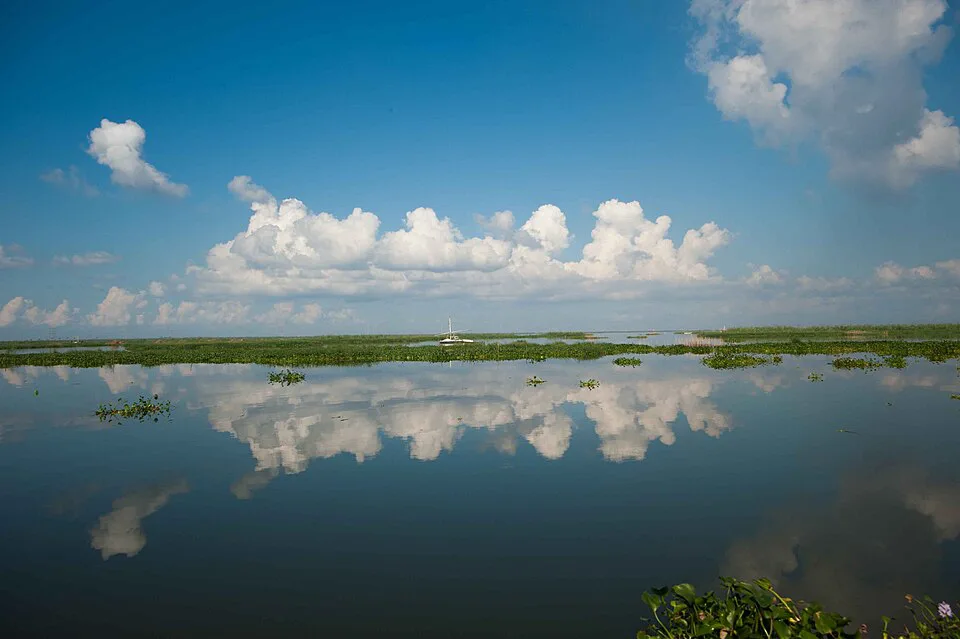
Zaranik lies at the eastern end of Lake Bardawil, a large shallow lagoon separated from the Mediterranean by a thin sand bar, about 30 km west of El Arish. It is listed as a wetland of international importance and is best known to birdwatchers.
Birds and wildlife
Every autumn hundreds of thousands of birds funnel along the Sinai coast on their way from Europe and Asia to Africa. Zaranik is one of their main resting points, and more than 250 species have been recorded here, including white storks, flamingos, herons, waders, gulls, terns, and raptors such as falcons and harriers. Sea turtles nest on the beaches, and the sabkha (salt flat) supports specialised salt-tolerant plants.
What to do
- Birdwatch from the hides and the visitor centre during migration.
- Learn about the traditional Bardawil fishery, which supplies much of Egypt’s prized lagoon fish.
Getting there and best time
The site is reached from the coastal road between Bir El Abd and El Arish. Check permit requirements before planning a visit; access may be limited to organised groups. The peak season is mid-August to November for autumn migration, with a smaller spring passage in March and April.
Entry fee: not confirmed; check with the Nature Conservation Sector before travelling (last checked October 2026).
Last checked October 2026. Entry fees and access rules change; check with the Egyptian Environmental Affairs Agency or a local operator before you go. Sources: eeaa.gov.eg, en.wikipedia.org.
Frequently asked questions
Why is Zaranik famous with birdwatchers?
It is a key resting point on one of the region's main migration routes, with more than 250 species recorded, including white storks, flamingos, herons, waders and raptors. Sea turtles also nest on its beaches.
Can I visit Zaranik?
Check permit requirements first; access may be limited to organised groups.
When is the best time for migration?
Mid-August to November for the autumn migration, with a smaller spring passage in March and April.
Is there an entry fee?
No fee has been confirmed. Check with the Nature Conservation Sector of the Egyptian Environmental Affairs Agency (eeaa.gov.eg) before travelling.