Al-Muizz Street, Historic Cairo
Archaeological Site
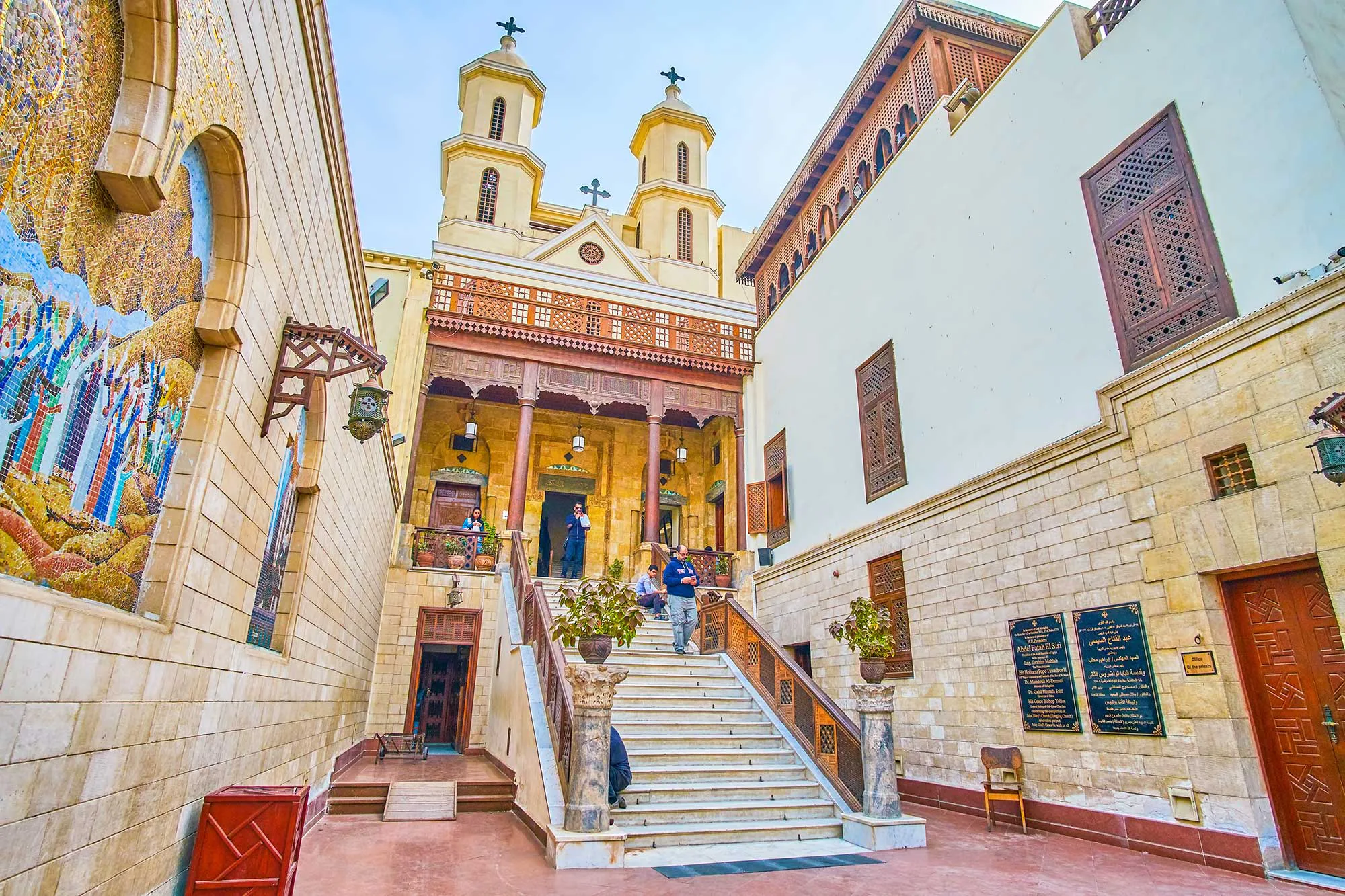
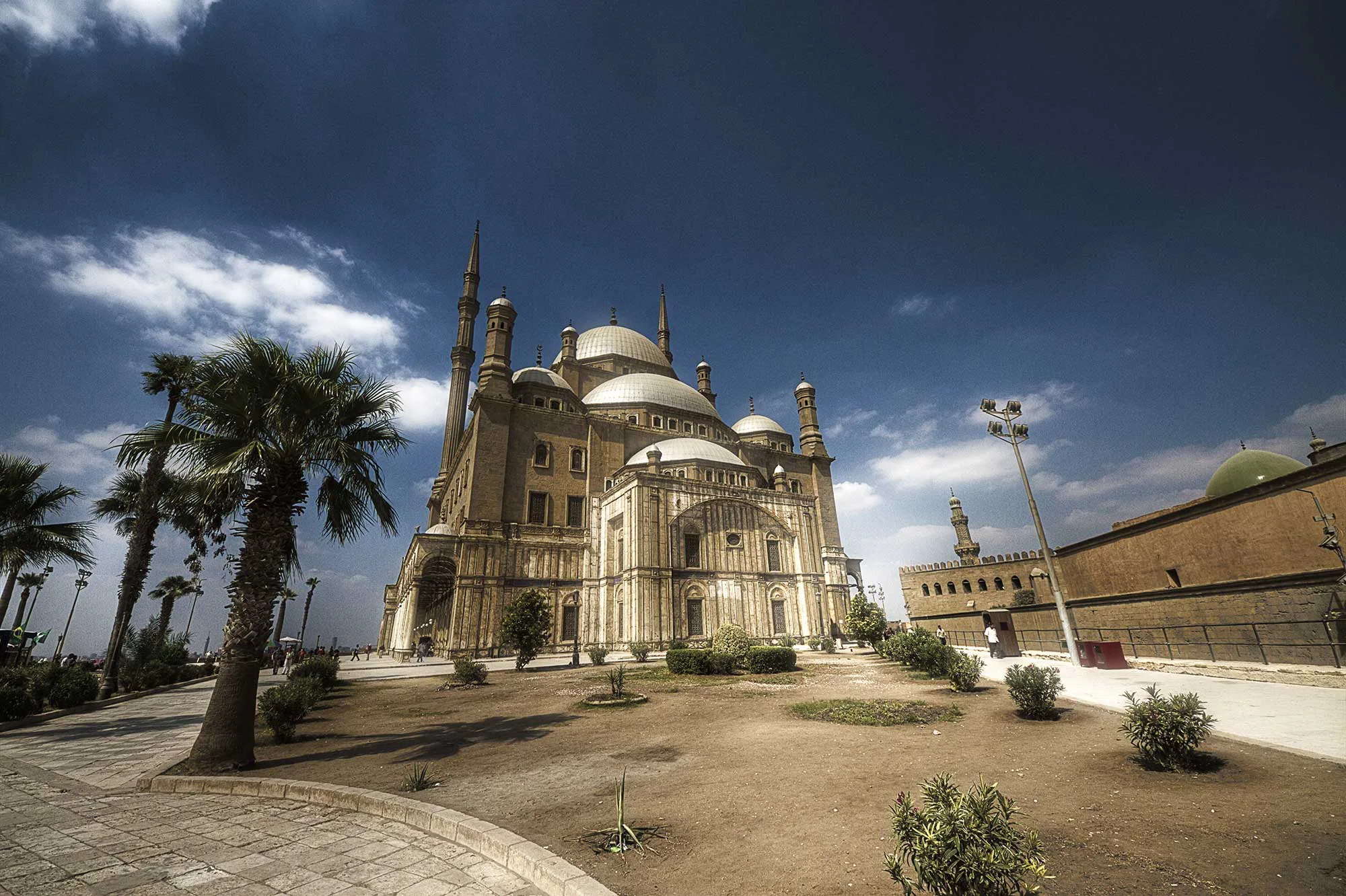
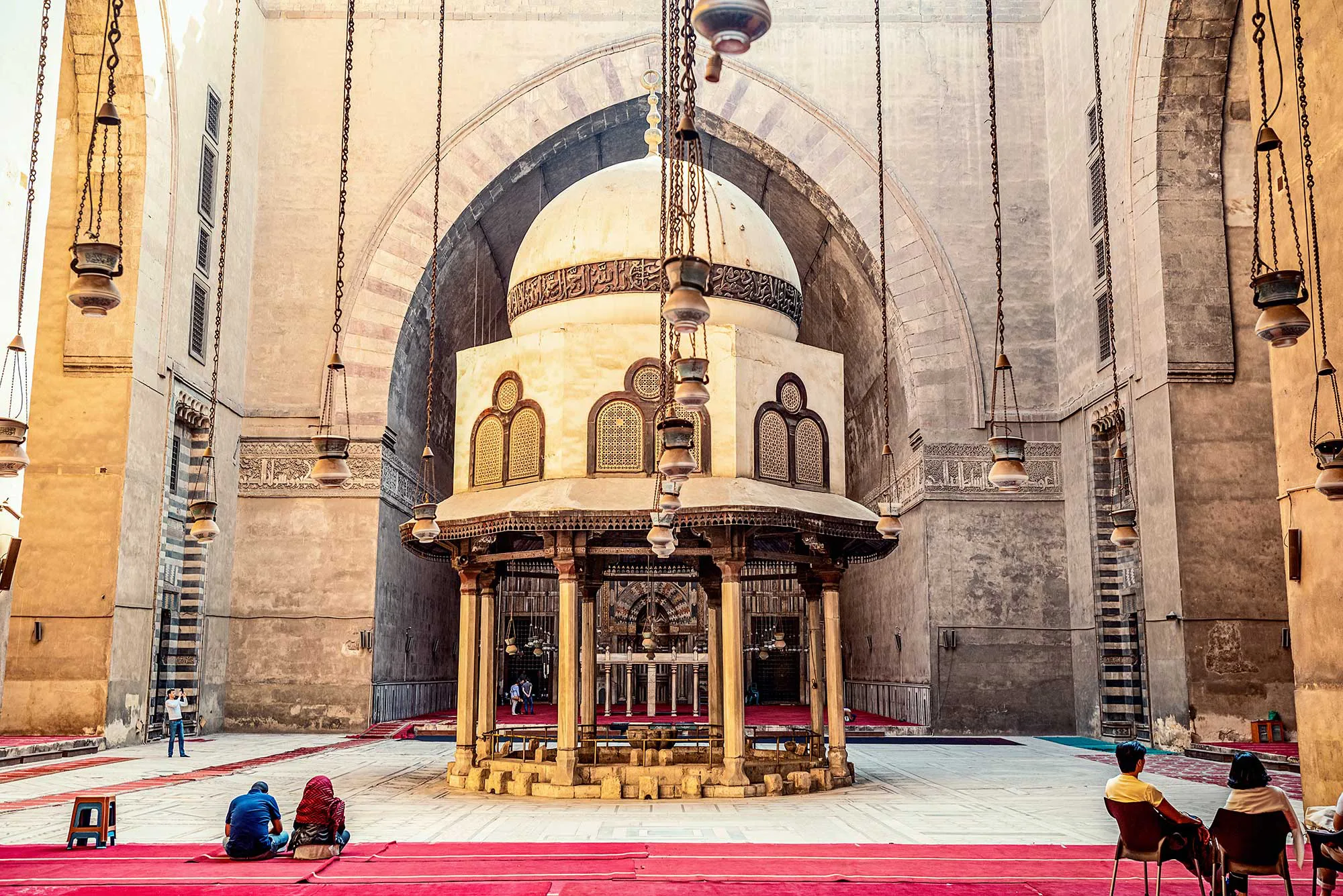
Al-Muizz li-Din Allah Street is the historic spine of medieval Cairo. It was laid out when the Fatimid dynasty founded al-Qahira (Cairo) in 969, running about a kilometre through the walled city from Bab al-Futuh in the north to Bab Zuwayla in the south. Over the next thousand years Fatimid, Ayyubid, Mamluk and Ottoman rulers lined it with mosques, madrasas, mausoleums, palaces, public fountains and caravanserais. It holds one of the densest groups of medieval Islamic buildings anywhere and lies at the heart of the UNESCO World Heritage Site of Historic Cairo. A major restoration has turned the northern section into a largely pedestrian street that works as an open-air museum.
What to see
- Qalawun complex (1284–85): mausoleum, madrasa and hospital of Sultan Qalawun. The mausoleum is one of Cairo’s most richly decorated interiors.
- Madrasa and mausoleum of al-Nasir Muhammad and the Barquq complex next door, together forming the famous Bayn al-Qasrayn skyline.
- Bayt al-Suhaymi: a restored Ottoman merchant’s house in a side lane (Darb al-Asfar), with courtyards, wooden mashrabiya screens and reception halls. Separate ticket.
- Palace of Amir Bashtak, the Sabil-Kuttab of Abdel Rahman Katkhuda and the Fatimid al-Aqmar Mosque with its carved façade.
- Bab al-Futuh and Bab al-Nasr, the 11th-century northern gates, and Bab Zuwayla in the south, whose minarets you can climb for city views.
- Al-Ghuri complex and the busy markets around Khan el-Khalili.
Visiting tips
- Walking the street is free. One inclusive ticket covers the main monuments, including the Qalawun group, al-Nasir Muhammad, Barquq, al-Kamil madrasa and Bashtak Palace. Bayt al-Suhaymi and Wekalet Bazaraa are sold separately.
- Monuments open at 09:00. Go in the morning for quiet streets, or the early evening, when the façades are floodlit and the street is lively (the interiors will be closed).
- Dress modestly for mosque visits. Women should carry a scarf, and shoes come off inside prayer halls.
- Pay for tickets by card. Keep small cash for shoe-minders and tips.
Getting there
The nearest Metro station is Bab El Shaaria on Line 3, about a 10-minute walk from the street. Most visitors take a taxi or ride-hailing car to Khan el-Khalili or al-Hussein Mosque, then walk north up al-Muizz towards Bab al-Futuh. Current prices are on the official al-Muizz Street page.
Last checked October 2026. Sources: egymonuments.gov.eg, mota.gov.eg, cairo.gov.eg.
Information card
At a glance
Arabic nameشارع المعز
GovernorateCairo
Foreign adult / student (EGP)220 / 110
Egyptian adult / student (EGP)20 / 10
Opening hoursMonuments daily 09:00–17:00 (street open at all times)
TicketsInclusive ticket for the main al-Muizz monuments. Not included: Bayt al-Suhaymi (220/110 for foreigners; 10/5 for Egyptians) and Wekalet Bazaraa. Bab Zuwayla 100/50 for foreigners. Pay by card.
Prices last checkedOctober 2026
Prices and hours change often. Confirm on the Ministry’s official site egymonuments.gov.eg before you go.
Frequently asked questions
How much is the ticket to Al-Muizz Street, Historic Cairo?
Foreign visitors: EGP 220 / 110 (adult / student). Egyptians: EGP 20 / 10. Prices last checked October 2026; confirm on egymonuments.gov.eg.
What are the opening hours of Al-Muizz Street, Historic Cairo?
On Al-Muizz Street in Historic Cairo, the monuments are open daily from 09:00 to 17:00, and the street itself is open at all times.
Where is Al-Muizz Street, Historic Cairo?
Al-Muizz Street, Historic Cairo is in Cairo governorate, Egypt.
Can I buy tickets online for Al-Muizz Street, Historic Cairo?
Many sites and museums sell tickets on the official portal egymonuments.gov.eg; most also sell at the gate, usually by card only.