Tuna El Gebel
Archaeological Site
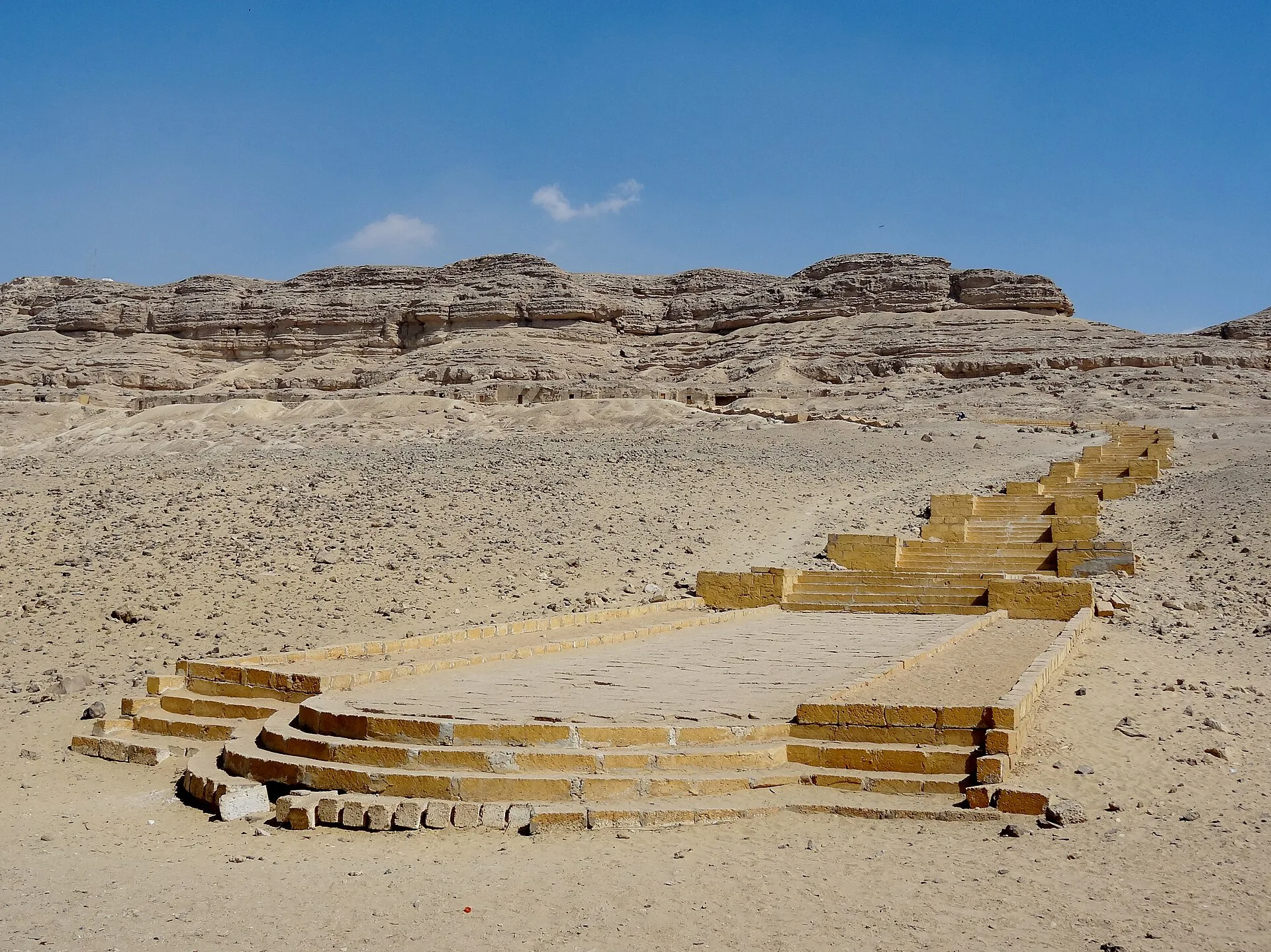
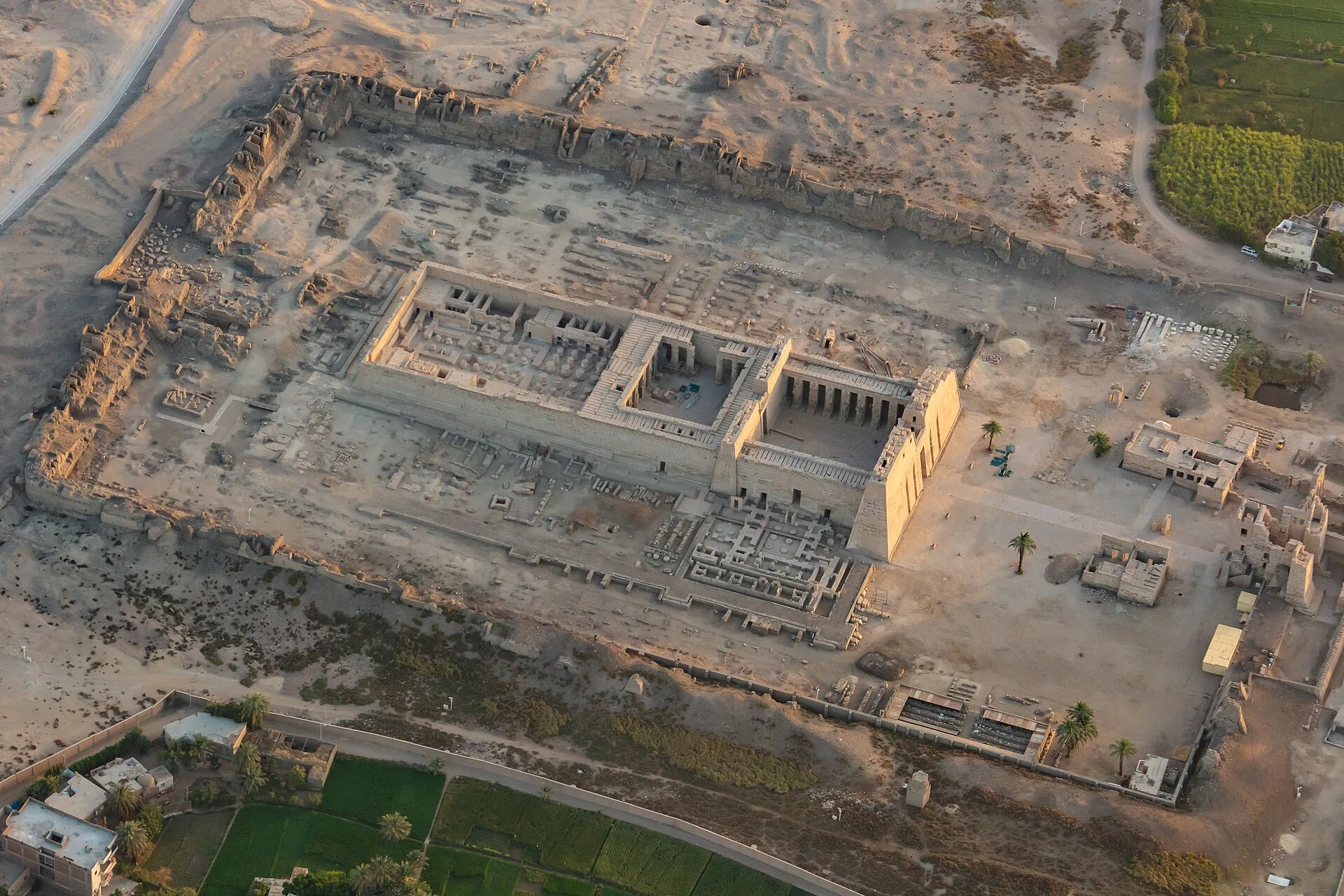
Tuna El Gebel lies on the edge of the Western Desert in Minya governorate, west of the town of Mallawi. It was the cemetery of Hermopolis (ancient Khmun, today el-Ashmunein), the main cult centre of Thoth, god of writing and wisdom. Burials here run from the New Kingdom to the Roman period, and it is one of the largest Graeco-Roman cemeteries known in Egypt, with its busiest time under the Ptolemies.
The boundary stela of Akhenaten
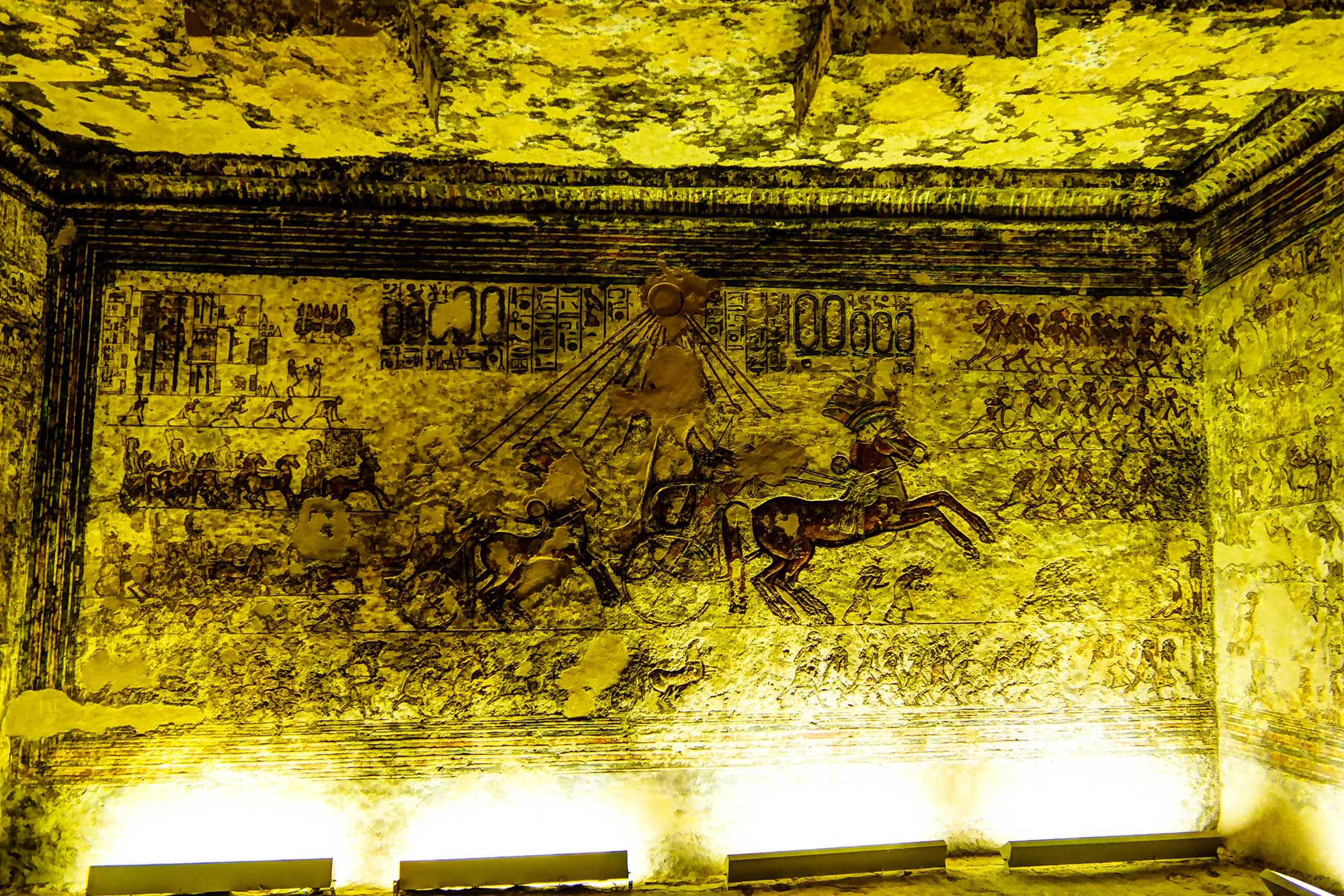
On the way to the cemetery you pass one of the boundary stelae that Akhenaten had carved in the cliffs to mark the limits of his new capital at Tell El-Amarna across the river. This one, known as Stela A, is among the best preserved. It shows the king and Queen Nefertiti with their daughters worshipping the sun disc, the Aten, and rock-cut statues of the royal family stand beside it. Its text is dated to the sixth year of Akhenaten’s reign, with an addition from year eight.
The tomb of Petosiris
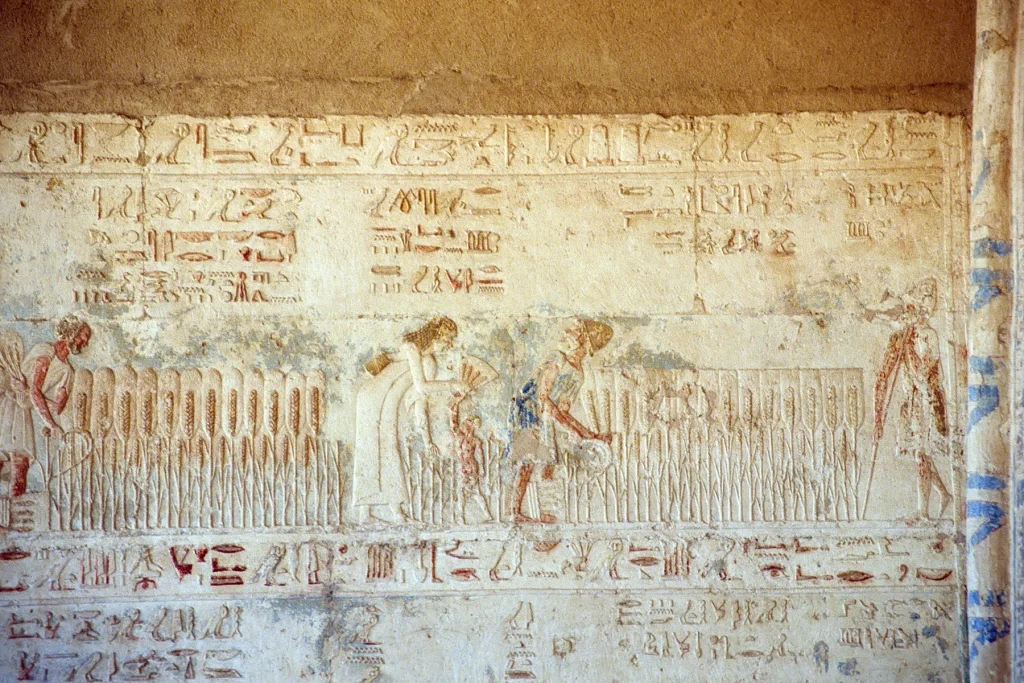
The best-known monument at the site is the family tomb of Petosiris, a priest of Thoth at Hermopolis, built in the late 4th century BC around the start of Ptolemaic rule. It looks like a small temple, with a columned front hall (pronaos) and a chapel behind. Its reliefs show traditional Egyptian themes such as farming, crafts and offering bearers, but many figures are carved in a Greek style, so the tomb is often studied as an example of the meeting of the two cultures. The tomb was found in late 1919 and excavated by Gustave Lefebvre in 1920. It became a place of pilgrimage in the 3rd and 2nd centuries BC, and Greek visitors left graffiti on its walls.
The animal galleries and Roman tombs
- Animal galleries: from the Late Period, long underground corridors were cut for the burial of mummified ibises and baboons, the sacred animals of Thoth, along with falcons and other creatures. Huge numbers of animals were buried here.
- Tomb of Isadora: a young woman who drowned in the Nile in the reign of Antoninus Pius (AD 138–161). Her father built her a tomb with a Greek poem in her memory, and her mummy is still inside.
- Roman cemetery: tomb chapels of the Roman period surround the older monuments.
A joint mission of Cairo University and Ludwig Maximilian University of Munich has worked at the site since 1989, and Egyptian teams continue to make finds here, among them a rock-cut family burial with dozens of Ptolemaic mummies announced in 2019.
Visiting tips
- Allow two hours to see the stela, the tomb of Petosiris, the galleries and the Roman tombs.
- The site is spread out over open sand with little shade. Wear good shoes, and bring water and a hat.
- Bring a torch for the underground galleries and the tomb interiors.
- Tuna El Gebel combines well with the ruins of Hermopolis at el-Ashmunein on the way, and with the Beni Hassan Tombs or Tell El-Amarna on another day.
Getting there
Tuna El Gebel is on the desert edge west of Mallawi, south of Minya city. There is no direct public transport to the site, so most visitors hire a car and driver or a licensed guide in Minya, usually stopping at el-Ashmunein on the way.
Last checked November 2026. Sources: egymonuments.com, egymonuments.gov.eg, en.wikipedia.org, en.wikipedia.org, amarnaproject.com, aegyptologie.uni-muenchen.de, riull.ull.es.
Information card
At a glance
Arabic nameتونا الجبل
GovernorateMinya
Foreign adult / student (EGP)200 / 100
Egyptian adult / student (EGP)10 / 5
Opening hoursDaily from 8:00 (last entry 16:00)
TicketsDuring Ramadan: from 9:00, last entry 15:00. Tickets can also be booked online at egymonuments.com.
Prices last checkedNovember 2026
Prices and hours change often. Confirm on the Ministry’s official site egymonuments.gov.eg before you go.
Frequently asked questions
How much is the ticket to Tuna El Gebel?
Foreign visitors: EGP 200 / 100 (adult / student). Egyptians: EGP 10 / 5. Confirm current prices on egymonuments.com before you go.
What are the opening hours of Tuna El Gebel?
Daily from 8:00, with last entry at 16:00. During Ramadan it opens at 9:00, with last entry at 15:00.
Where is Tuna El Gebel?
In Minya governorate, on the desert edge west of Mallawi. It was the cemetery of ancient Hermopolis, today el-Ashmunein.
Who was Petosiris?
A priest of Thoth at Hermopolis in the late 4th century BC. His family tomb, built like a small temple, mixes Egyptian and Greek styles of carving.
What was buried in the animal galleries?
Mummified ibises and baboons, the sacred animals of Thoth, along with falcons and other animals, in long underground corridors.
Is there an Akhenaten monument at Tuna El Gebel?
Yes. One of the boundary stelae marking the limits of Akhenaten's capital at Amarna, with statues of the royal family, stands near the site.