Tell Basta (Bubastis)
Archaeological Site
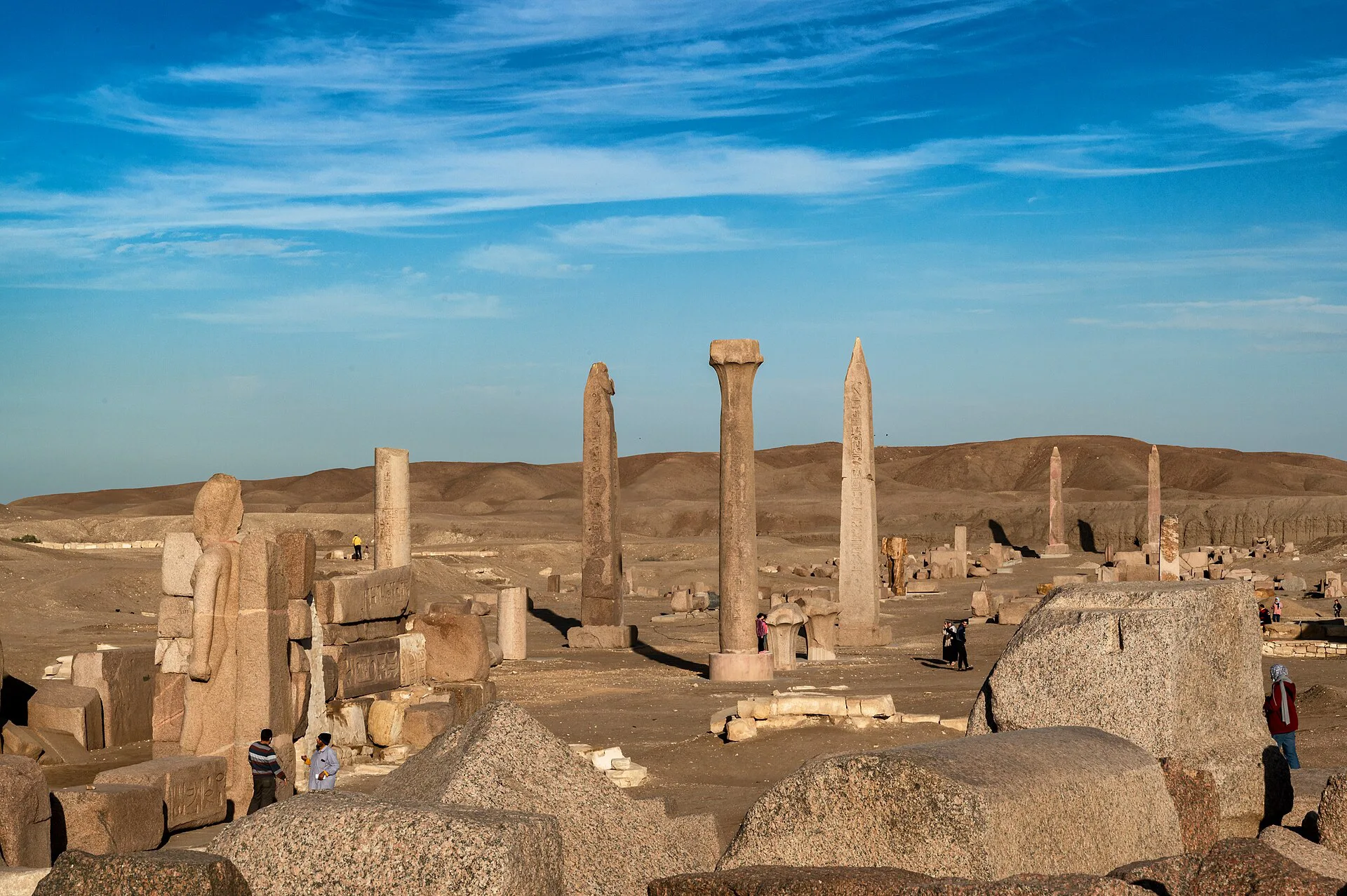
Tell Basta is the site of ancient Bubastis, on the south-eastern edge of Zagazig in Sharqia governorate, about 80 km north-east of Cairo. Its name comes from Per-Bastet, “the house of Bastet”, and for much of Egyptian history it was the main cult centre of the cat goddess Bastet. People lived here from the end of the fourth millennium BC, and the city reached its height under the Libyan kings of the 22nd Dynasty (from about 945 BC), when it served as a royal residence and capital.
The city of Bastet
Bubastis stood beside the old Pelusiac branch of the Nile, on the routes between Egypt and the east, and it grew rich on trade. Kings of almost every period left their mark. Teti and Pepi I of the Sixth Dynasty built chapels for their royal cult, a large palace of the 12th Dynasty has been linked to Amenemhat III, and Ramesses II enlarged the temple of Bastet. The kings of the 22nd Dynasty built on a grand scale again: Osorkon II added a monumental red granite gateway carved with scenes of his jubilee festival.
The Greek historian Herodotus visited in the fifth century BC. He described the temple standing on an island surrounded by water and trees, and called the goddess’s yearly festival the most joyful in Egypt, claiming that hundreds of thousands of pilgrims came by boat to attend. Bubastis declined after the Persian conquest of 525 BC. According to the Ministry of Tourism and Antiquities, it is also one of the places the Holy Family is said to have visited in Egypt.
What to see
- Temple of Bastet: a wide field of fallen granite blocks, columns and inscribed fragments, first excavated by Édouard Naville in 1887–1889.
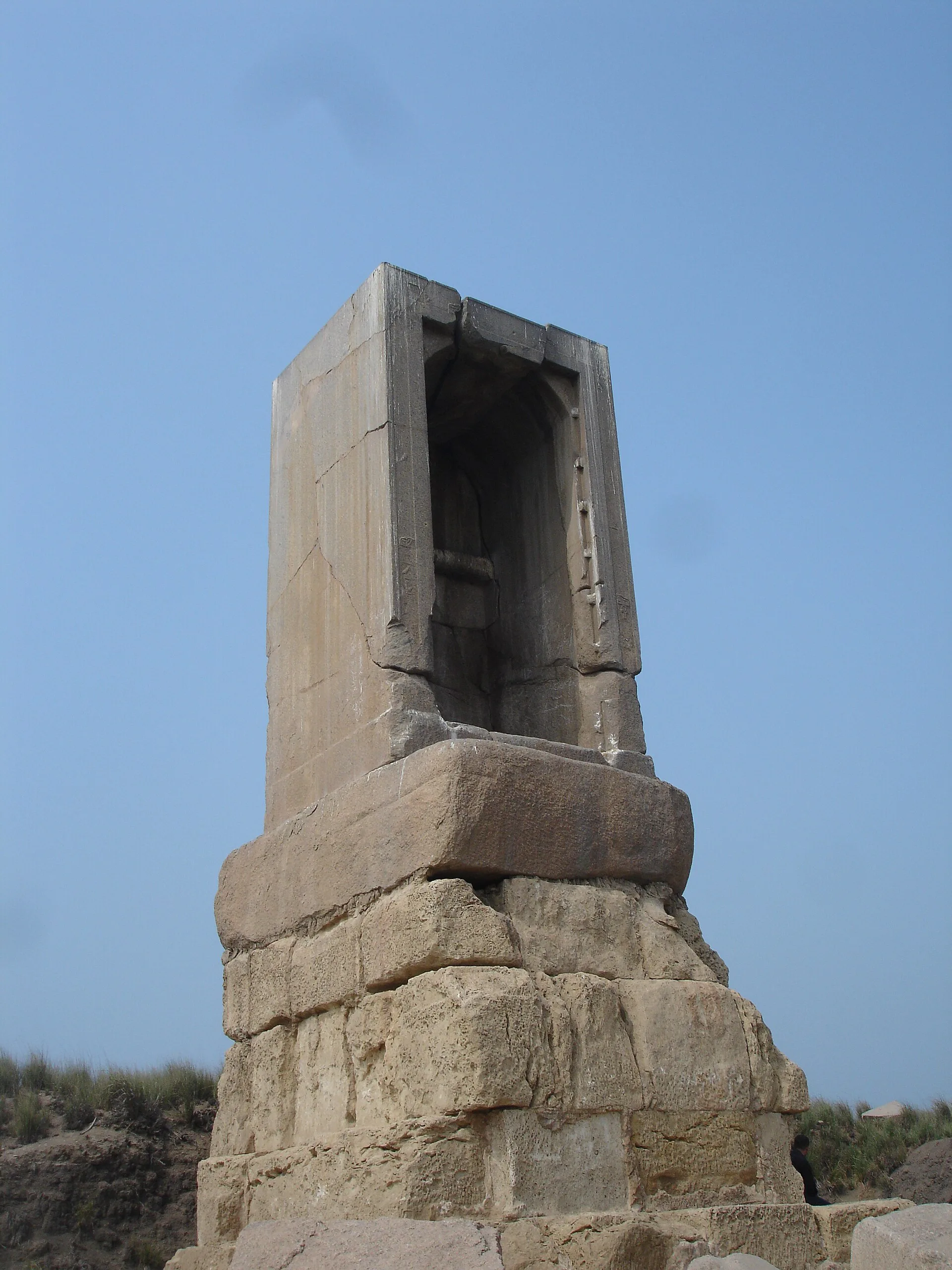
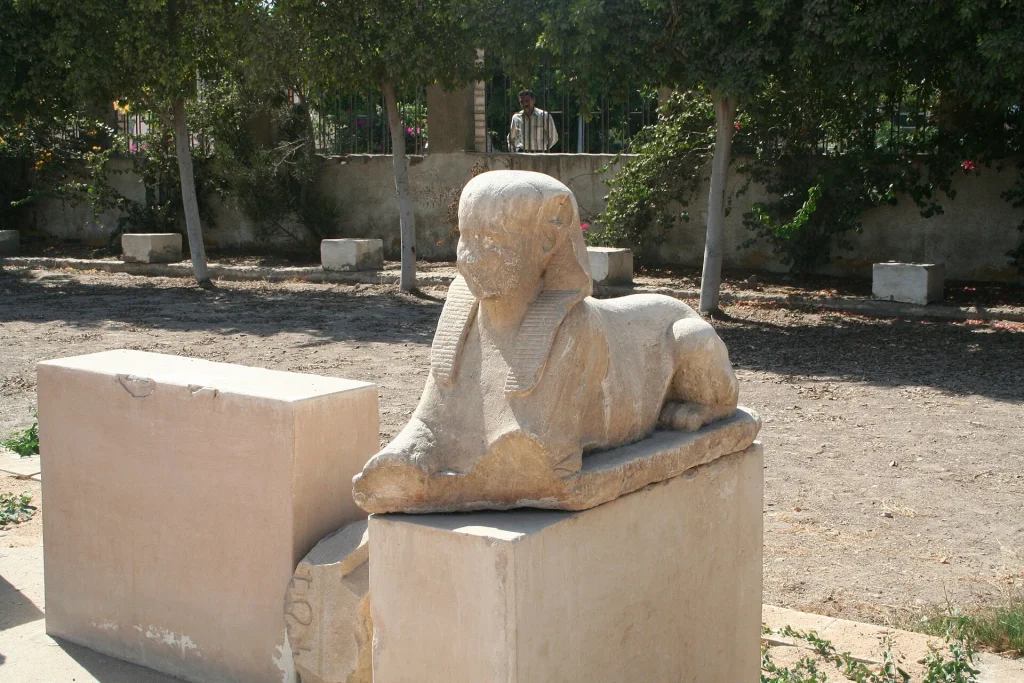
- Open-air museum: statues and blocks gathered from the site, including a black granite head of Bastet as a lioness, parts of the Osorkon II gateway, and a red granite group of Ramesses II between Hathor and Ptah.
- Chapel of Pepi I: the standing pillars of a Sixth Dynasty temple found by Labib Habachi in 1939.
- Palace of Amenemhat III and Roman well: the outline of the large Middle Kingdom palace and a well from the Roman period.
- Cat cemetery: Bubastis was the main burial place for mummified cats in Egypt, and Naville dug trial trenches in the cat cemetery. Ask at the site which areas are open on the day.
Tell Basta Museum
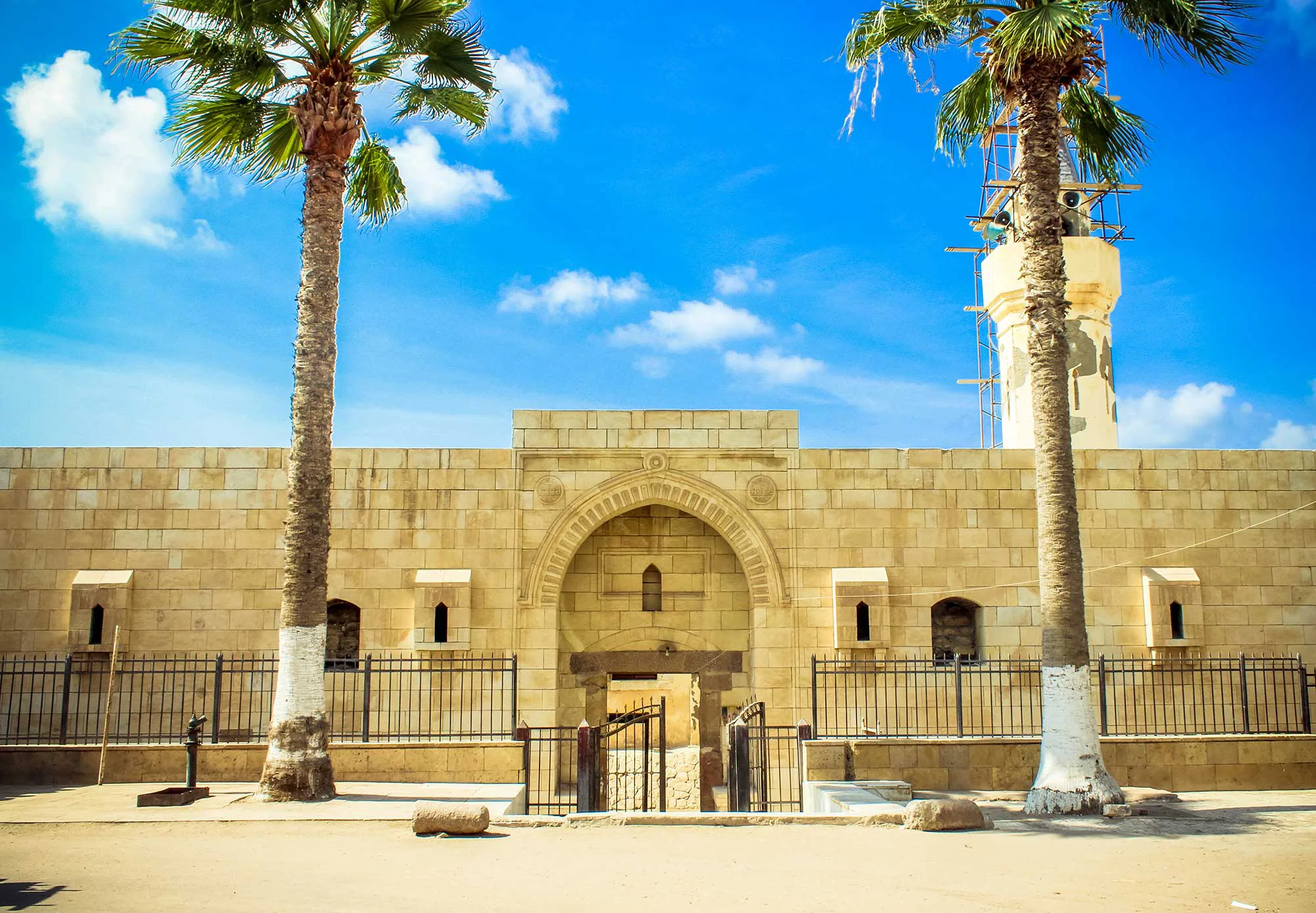
A museum on the site opened in 2018. It holds about 1,000 objects from Tell Basta and the rest of Sharqia, including pieces linked to Bastet, everyday tools and jewellery, terracotta figures of the Greek and Roman periods and coins. A statue of Queen Meritamun, daughter and later Great Royal Wife of Ramesses II, stands in its garden. Entry is included in the site ticket.
Visiting tips
- Allow one and a half to two hours for the ruins, the open-air museum and the museum.
- The museum closes earlier than the site, at 15:00, so see it first.
- Much of the site is open ground with uneven paths and little shade. Bring water and a hat, and wear sturdy shoes.
- Carry your passport. Tell Basta combines well with Tanis on a day out from Cairo.
Getting there
The site lies within the town on the south-eastern side of Zagazig, about 80 km north-east of Cairo. Trains and buses run from Cairo to Zagazig, and from there a taxi takes you to the entrance. Many visitors hire a car and driver from Cairo for the day and add Tanis, further north-east.
Last checked November 2026. Sources: egymonuments.gov.eg, egymonuments.gov.eg, mota.gov.eg, en.wikipedia.org, en.wikipedia.org.
Information card
At a glance
Arabic nameتل بسطة
GovernorateSharqia
Foreign adult / student (EGP)150 / 75
Egyptian adult / student (EGP)10 / 5
Opening hoursDaily 9:00–17:00
TicketsThe ticket includes the Tell Basta Museum on the site. Ticket machines take bank cards only.
Prices last checkedNovember 2026
Prices and hours change often. Confirm on the Ministry’s official site egymonuments.gov.eg before you go.
Frequently asked questions
How much is the ticket to Tell Basta?
Foreign visitors: EGP 150 / 75 (adult / student). Egyptians: EGP 10 / 5. The ticket includes the Tell Basta Museum; confirm current prices on egymonuments.gov.eg.
What are the opening hours of Tell Basta?
Daily 9:00–17:00. The Tell Basta Museum on the site closes at 15:00.
Where is Tell Basta?
On the south-eastern edge of Zagazig in Sharqia governorate, about 80 km north-east of Cairo.
What was Bubastis famous for?
It was the cult centre of the cat goddess Bastet, and its yearly festival was described by Herodotus as the most joyful in Egypt. It was also the main burial place for mummified cats.
Is there a museum at Tell Basta?
Yes. The Tell Basta Museum, opened in 2018, shows about 1,000 objects from the site and the rest of Sharqia, and there is an open-air museum among the ruins.
Can I combine Tell Basta with other sites?
Yes. Many visitors combine it with Tanis, further north-east in Sharqia, on a day trip from Cairo.