The ancient Egyptian timeline
Pharaonic history runs for about three thousand years, from the unification of Egypt around 3100 BC to the conquest of Alexander the Great in 332 BC. To make sense of such a long span, historians still use a framework that goes back to an Egyptian priest called Manetho.
Manetho’s dynasties
Manetho, a priest from Sebennytos in the Delta, wrote a history of Egypt in Greek in the third century BC, under the early Ptolemies. He divided the kings into 30 dynasties, each a sequence of rulers usually linked by family or by their seat of power; a 31st dynasty, the second Persian occupation, was added later. His original book is lost and survives only in quotations by later writers, but his dynasties are still the basis of Egyptian chronology.
Kingdoms and intermediate periods
Modern Egyptologists group the dynasties into larger blocks. Periods of strong central government are called “Kingdoms”; the times of division between them are “Intermediate Periods”. Exact dates vary between scholars, but the broad outline is:
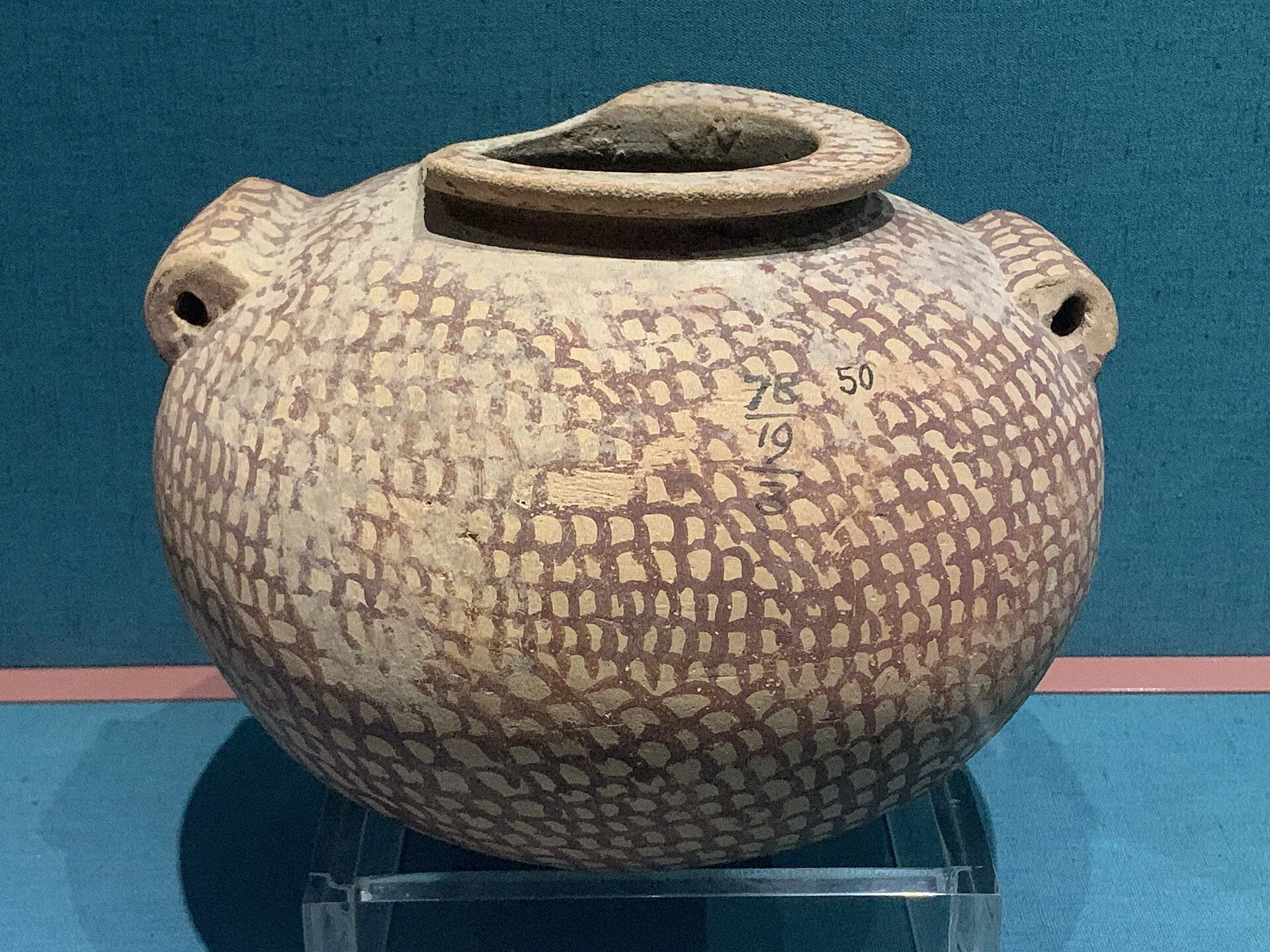
- Predynastic Period: before about 3100 BC
- Early Dynastic Period: Dynasties 1–2
- Old Kingdom: Dynasties 3–6, the age of the pyramids
- First Intermediate Period: Dynasties 7–10/11
- Middle Kingdom: Dynasties 11–12/13
- Second Intermediate Period: Dynasties 13–17, including the Hyksos
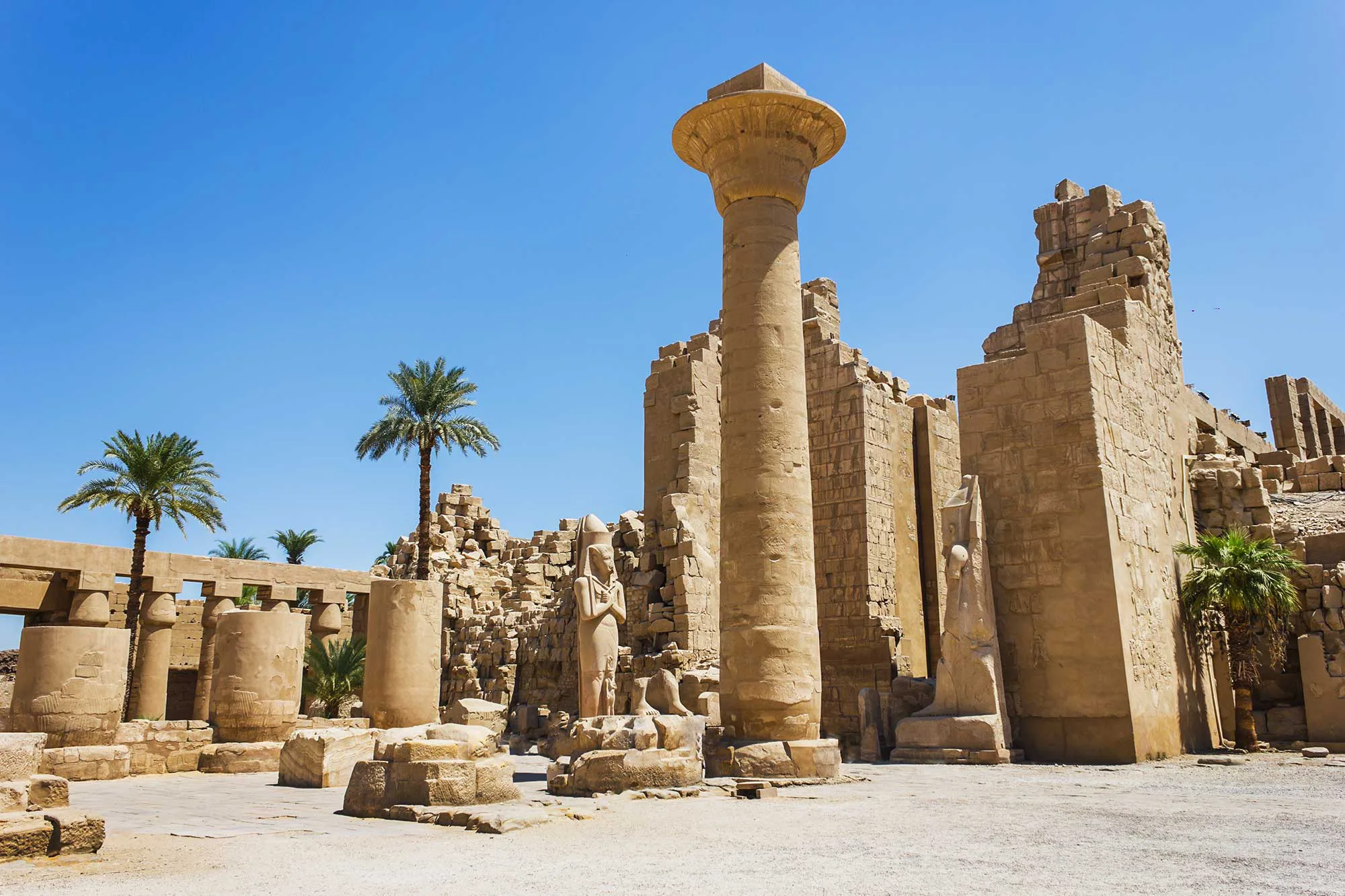
- New Kingdom: Dynasties 18–20, the empire of Thebes
- Third Intermediate Period: Dynasties 21–25
- Late Period: Dynasties 26–31, ending in 332 BC
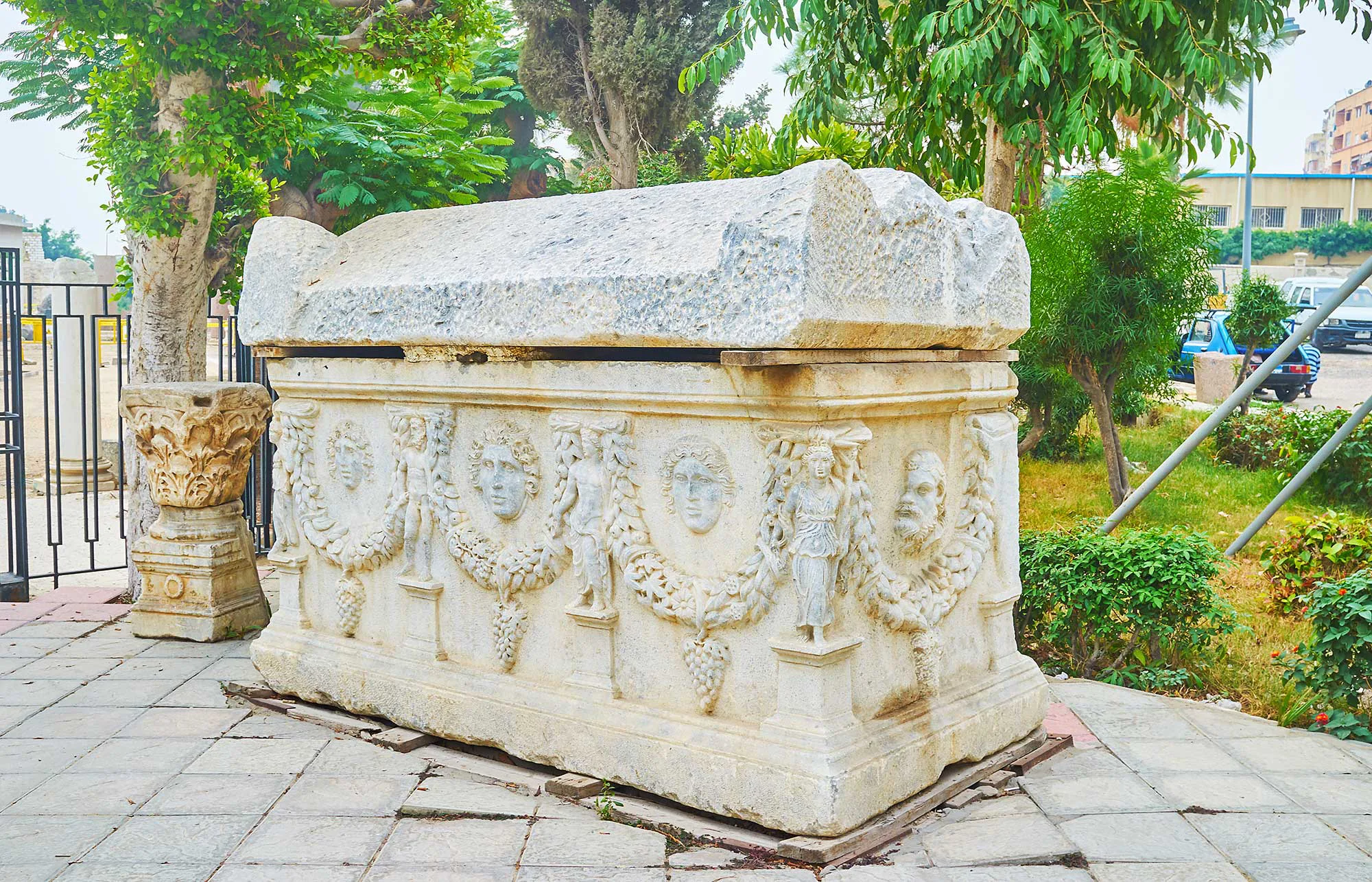
After Alexander came the Ptolemaic Period, when Greek-speaking kings ruled from Alexandria while still being shown as pharaohs on temple walls, and then Roman rule from 30 BC, when Egypt became a province of Rome after the death of Cleopatra VII.
Seeing the timeline for yourself
The main galleries of the Grand Egyptian Museum are arranged to lead visitors from prehistory to the Roman era, so it is the easiest place to follow the whole sequence. The Egyptian Museum in Tahrir Square and the National Museum of Egyptian Civilization also give broad overviews. On the ground, the Giza Pyramids and Saqqara represent the Old Kingdom, and Karnak and the Valley of the Kings the New Kingdom.
Last checked October 2026. Sources: en.wikipedia.org, en.wikipedia.org, britannica.com, arabnews.jp.
Information card
Frequently asked questions
How long did Pharaonic history last?
Pharaonic history is usually dated from about 3100 BC to 332 BC.
Who divided ancient Egypt into dynasties?
The historian Manetho, who grouped the kings into 30 dynasties.
What are the Old, Middle and New Kingdoms?
Historians group dynasties into periods called Kingdoms, separated by Intermediate Periods of division.