The age of the empire
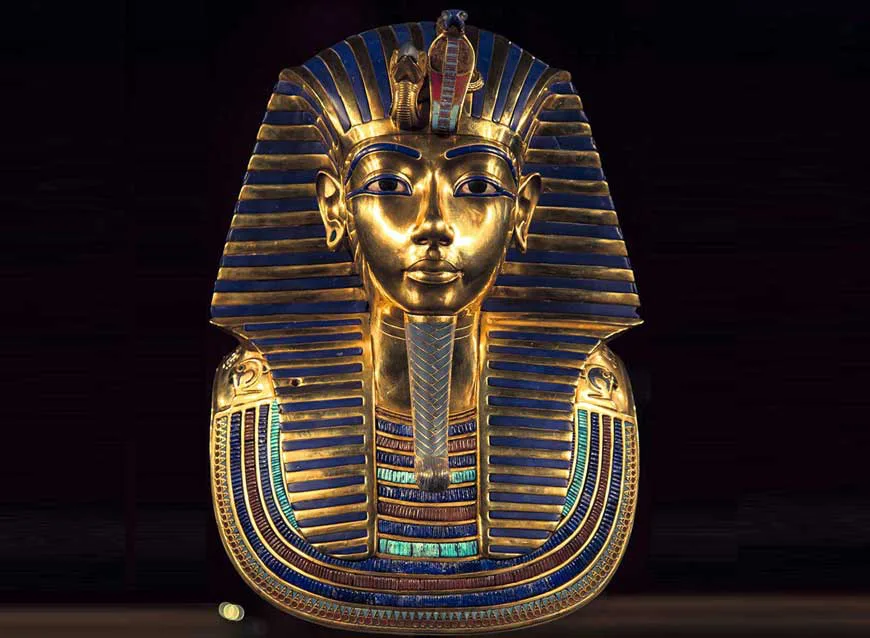
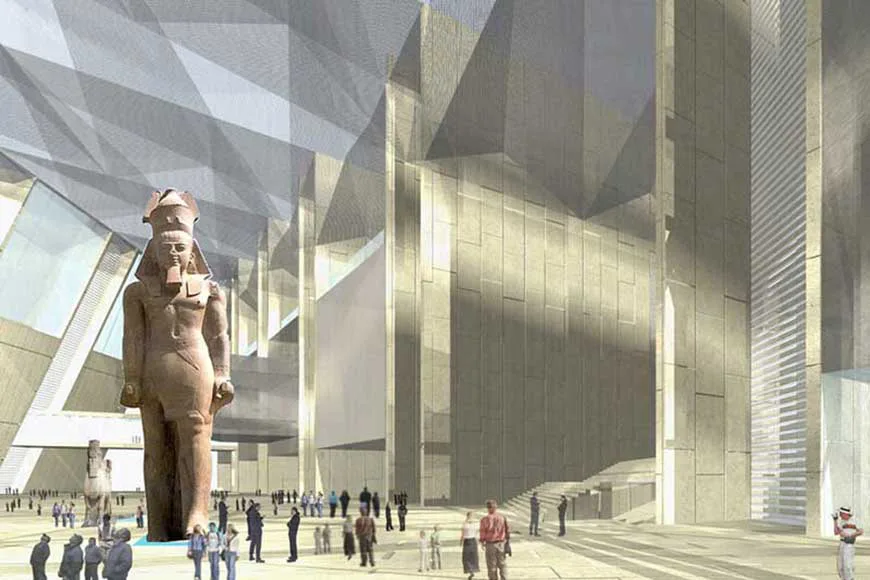
The New Kingdom lasted more than half a millennium and left a deep mark on Egyptian history. Ahmose I founded the 18th Dynasty, which opened the era. The wealth of the period can still be seen in its temples, fortresses, colossal statues, obelisks and great tombs.
Kings protected Egypt by pushing its borders outwards, as far as north Syria in the east, Libya in the west and southern Nubia in the south.
The period was creative in government and politics, and in religion too. New mythological ideas appeared, kings were deified, and Akhenaten promoted, for the first time in history, a single god, the sun disc Aten.
Information card
|
Dynasty 18 |
Dynasty 19 |
Dynasty 20 |
|---|---|---|
|
Setnakhte |
||
|
Ramesses IV |
||
|
Merenptah |
Ramesses V |
|
|
Amenmesses |
Ramesses VI |
|
|
Seti II |
Ramesses VII |
|
|
Amenhotep II |
Siptah |
Ramesses VIII |
|
Thutmose IV |
Queen Twosret |
Ramesses IX |
|
|
Ramesses X |
|
|
|
||
|
Smenkhkare |
|
|
|
|
|
|
|
Ay |
|
|
|
|
|
Frequently asked questions
Why is the New Kingdom called the Age of Empire?
Its kings extended Egypt's borders to north Syria, Libya and southern Nubia, and the period lasted over half a millennium.
Which famous pharaohs ruled in the New Kingdom?
Hatshepsut, Thutmose III, Akhenaten, Tutankhamun, Seti I and Ramesses II all belong to Dynasties 18 to 20.
What was Akhenaten's religious change?
Akhenaten promoted the worship of a single god, the sun disc Aten, for the first time in Egyptian history.
Where can I see New Kingdom monuments?
Luxor has the richest collection, including Karnak, Luxor Temple and the Valley of the Kings; Abu Simbel near Aswan was built by Ramesses II.