A desert valley east of Asyut set aside for breeding and conserving native desert animals and plants.
- Arabic name
- محمية وادي الأسيوطي
- Type
- Protected area
- Governorate
- Asyut
- Area
- 35 km²
- Protected since
- 1989
- Nearest city guide
- Asyut
- Official website
- eeaa.gov.eg
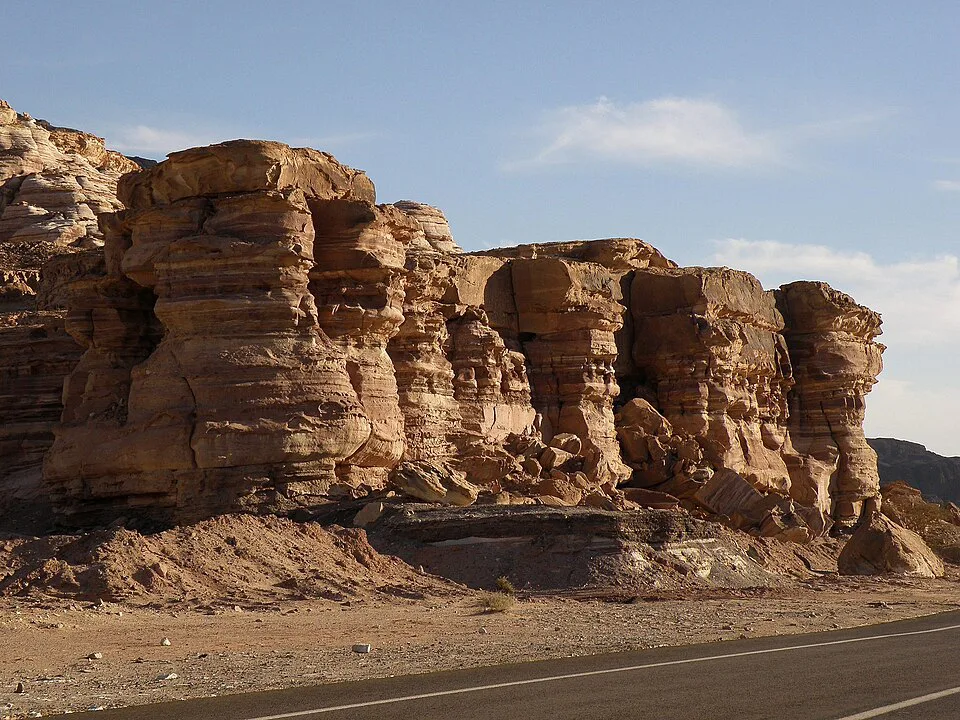
Wadi El Assiouti is a desert valley on the eastern side of the Nile near the city of Asyut in Middle Egypt. It was declared a protectorate in 1989 to conserve native Eastern Desert species and to serve as a site for breeding animals that have become rare in the wild.
Landscape and wildlife
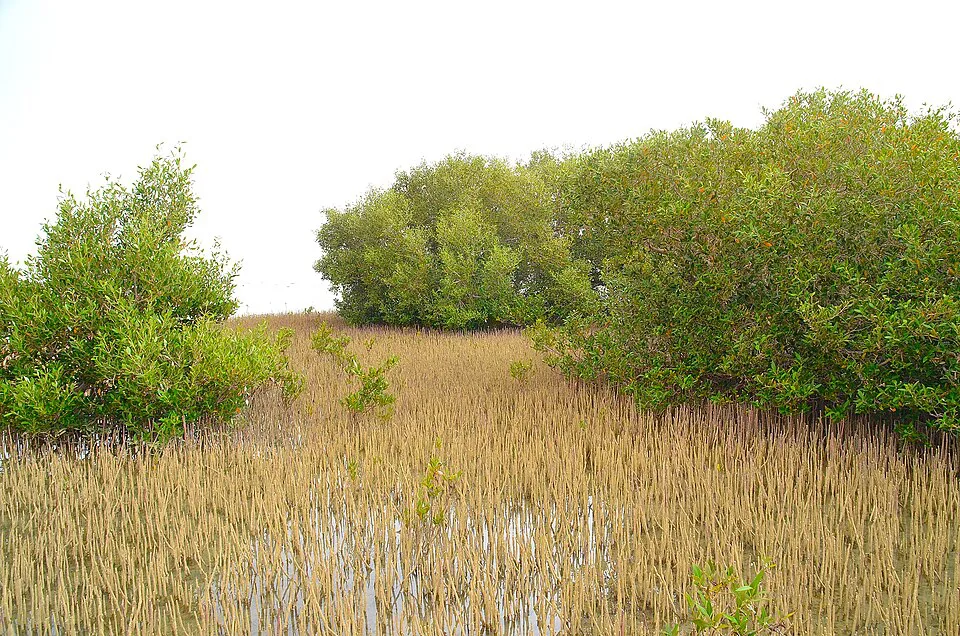
The wadi is a typical limestone desert valley with scattered acacia and desert shrubs. Conservation work has focused on gazelles and other native species, along with desert reptiles and resident birds. Students and researchers from Asyut also use the wadi for fieldwork.
Visiting
Visitor facilities are minimal, and Wadi El Assiouti is rarely included on tourist itineraries. Visits should be arranged in advance with the regional protectorate office or through the environmental authorities in Asyut. Travellers passing through Middle Egypt may combine it with the city’s historic churches and the monastery of Deir El Muharraq to the north.
Best time
November to March is the most comfortable season for desert visits in this region.
Entry fee: not confirmed (last checked October 2026).
Last checked October 2026. Entry fees and access rules change; check with the Egyptian Environmental Affairs Agency or a local operator before you go. Sources: eeaa.gov.eg, en.wikipedia.org.
Frequently asked questions
Why was Wadi El Assiouti protected?
It was declared in 1989 to conserve native Eastern Desert species and to breed animals that have become rare in the wild, with a focus on gazelles.
Can tourists visit?
Facilities are minimal and it is rarely on tourist itineraries. Arrange any visit in advance with the regional protectorate office or the environmental authorities in Asyut.
What else is nearby?
You can combine it with Asyut's historic churches and the monastery of Deir El Muharraq to the north.
When should I go and is there a fee?
November to March is the most comfortable season. No fee has been confirmed; check with the Egyptian Environmental Affairs Agency (eeaa.gov.eg).