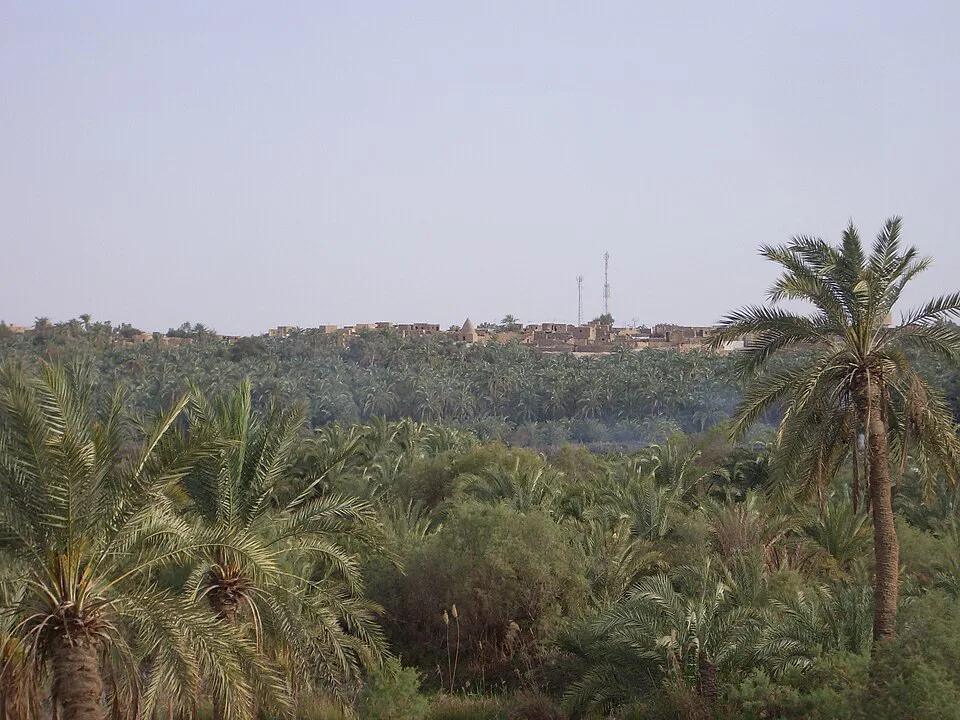
Wadi Sannur Cave Protected Area
Nature
A crescent-shaped cave of alabaster stalactites and stalagmites, discovered by quarrymen in the Eastern Desert near Beni Suef.
- Arabic name
- محمية كهف وادي سنور
- Type
- Protected area
- Governorate
- Beni Suef
- Area
- 12 km²
- Protected since
- 1992
- Nearest city guide
- Beni Suef
- Official website
- eeaa.gov.eg
Wadi Sannur Cave lies in the Eastern Desert about 70 km south-east of Beni Suef. It was uncovered in the late 1980s when blasting in an alabaster quarry broke into a hidden chamber, and it was declared a natural monument in 1992 to protect it from further damage.
Inside the cave
The cave is roughly crescent-shaped, around 700 m long and up to about 15 m high. Its walls, floor and ceiling are covered in calcite formations: stalactites, stalagmites, columns and flowstone in creamy and honey tones. Such karst caves are very rare in Egypt, and scientists study its formations as a record of past climates, when the desert was wetter than today.
Visiting
Facilities are limited and the cave is not on mainstream itineraries. Visits should be arranged in advance with the protectorate office or a specialist operator; a 4×4 is recommended for the final approach. Bring a good torch and sturdy shoes, and avoid touching the formations, which are easily damaged.
Getting there and best time
Beni Suef is about 2 hours south of Cairo by road or train. October to April is best; the cave interior stays cooler than the desert outside.
Entry fee: not confirmed (last checked October 2026).
Last checked October 2026. Entry fees and access rules change; check with the Egyptian Environmental Affairs Agency or a local operator before you go. Sources: eeaa.gov.eg, en.wikipedia.org.
Frequently asked questions
What is inside Wadi Sannur Cave?
A crescent-shaped cave around 700 m long and up to about 15 m high, covered in stalactites, stalagmites, columns and flowstone in creamy and honey tones. Karst caves like this are very rare in Egypt.
How was it discovered?
Quarrymen broke into the hidden chamber while blasting in an alabaster quarry in the late 1980s, and it was protected in 1992.
How do I arrange a visit?
Book in advance with the protectorate office or a specialist operator. The cave is about 70 km south-east of Beni Suef, which is about 2 hours from Cairo, and a 4x4 is recommended for the final approach.
What should I bring?
A good torch and sturdy shoes. Do not touch the formations, which are easily damaged.
When should I go and is there a fee?
October to April is best. No fee has been confirmed; check with the Egyptian Environmental Affairs Agency (eeaa.gov.eg).