Mendes (Tell el-Rub’a)
Archaeological Site
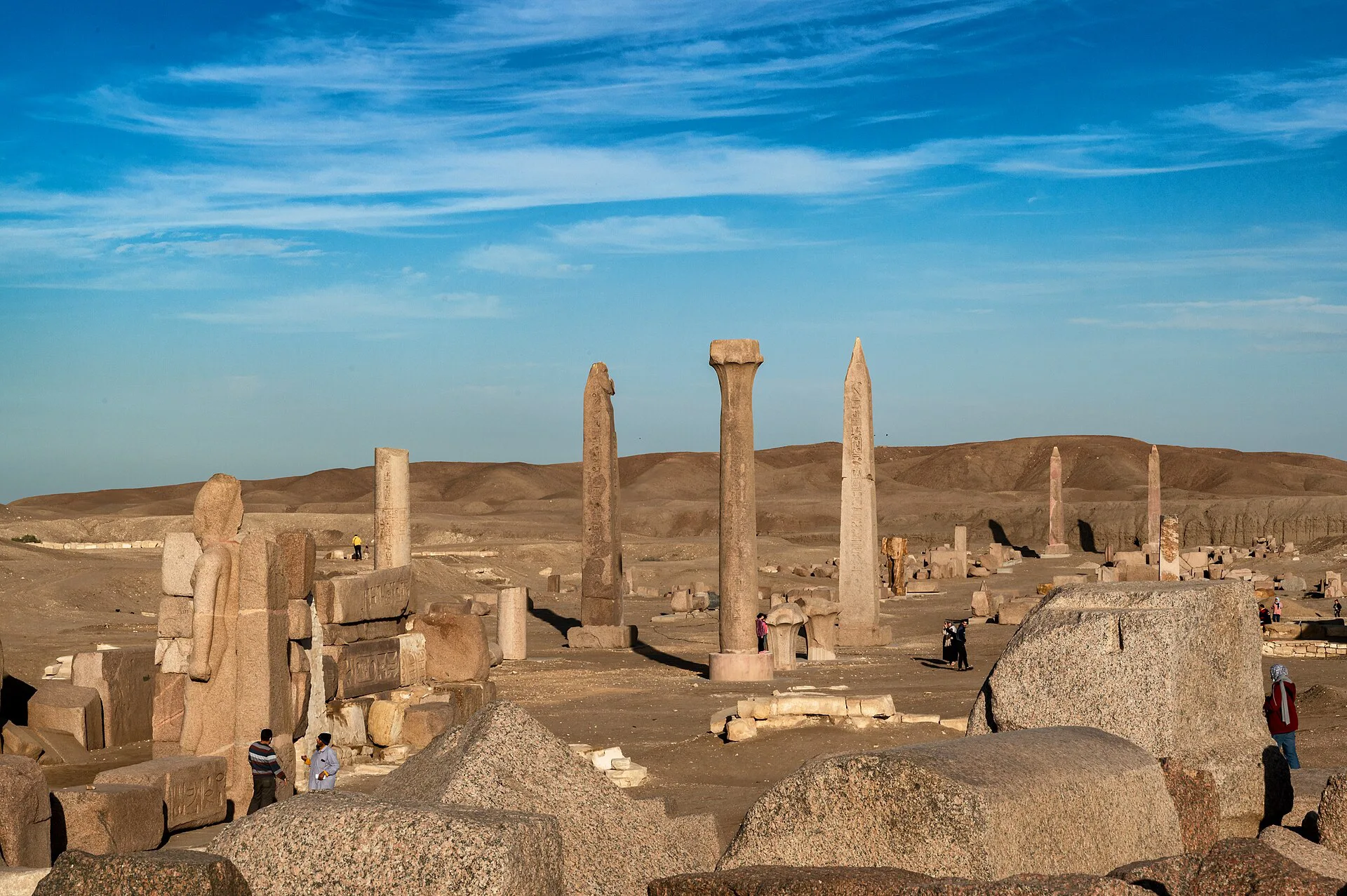
Mendes, today the mound of Tell el-Rub’a, lies in Dakahlia governorate in the eastern Nile Delta, south-east of Mansoura. Its ancient name was Djedet, and it was the home of the ram god Banebdjedet. People lived here for thousands of years from prehistoric times, the city was capital of the 16th nome of Lower Egypt, and for a short time under the 29th Dynasty (399–380 BC) it was the capital of all Egypt.
The city of the ram
Banebdjedet, “the ram, lord of Djedet”, was worshipped here with his consort, the fish goddess Hatmehit, and their child Harpokrates. The Greeks knew the city as Mendes, and Herodotus wrote about its sacred animal and its cult. The god’s living rams were kept in the temple and, when they died, were embalmed and buried in a cemetery of their own, which excavators found in the north-west part of the mound.
The kings of the 29th Dynasty came from Mendes. In 1992–1993 a joint team from the University of Washington and the University of Toronto found the tomb of Nepherites I, the dynasty’s founder, in the city’s royal necropolis. The city slowly lost ground to its neighbour Thmuis (Tell el-Timai), several hundred metres to the south, which took over as the main town of the area in Graeco-Roman times. Mendes was abandoned around the turn of the era.
What to see
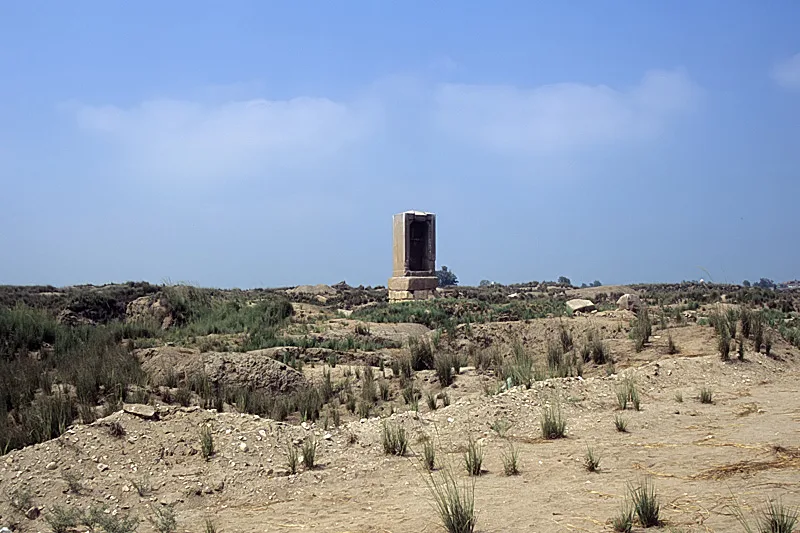
- The great naos: a monolithic shrine of red granite more than 6 metres high, made under Ahmose II (Amasis) of the 26th Dynasty, still standing on its stone base in the temple area. It once held a cult statue and is the largest naos known in Egypt. The Supreme Council of Antiquities began work to stabilise it in 2021.
- Temple of Banebdjedet: the foundations and scattered blocks of the ram god’s temple around the naos.
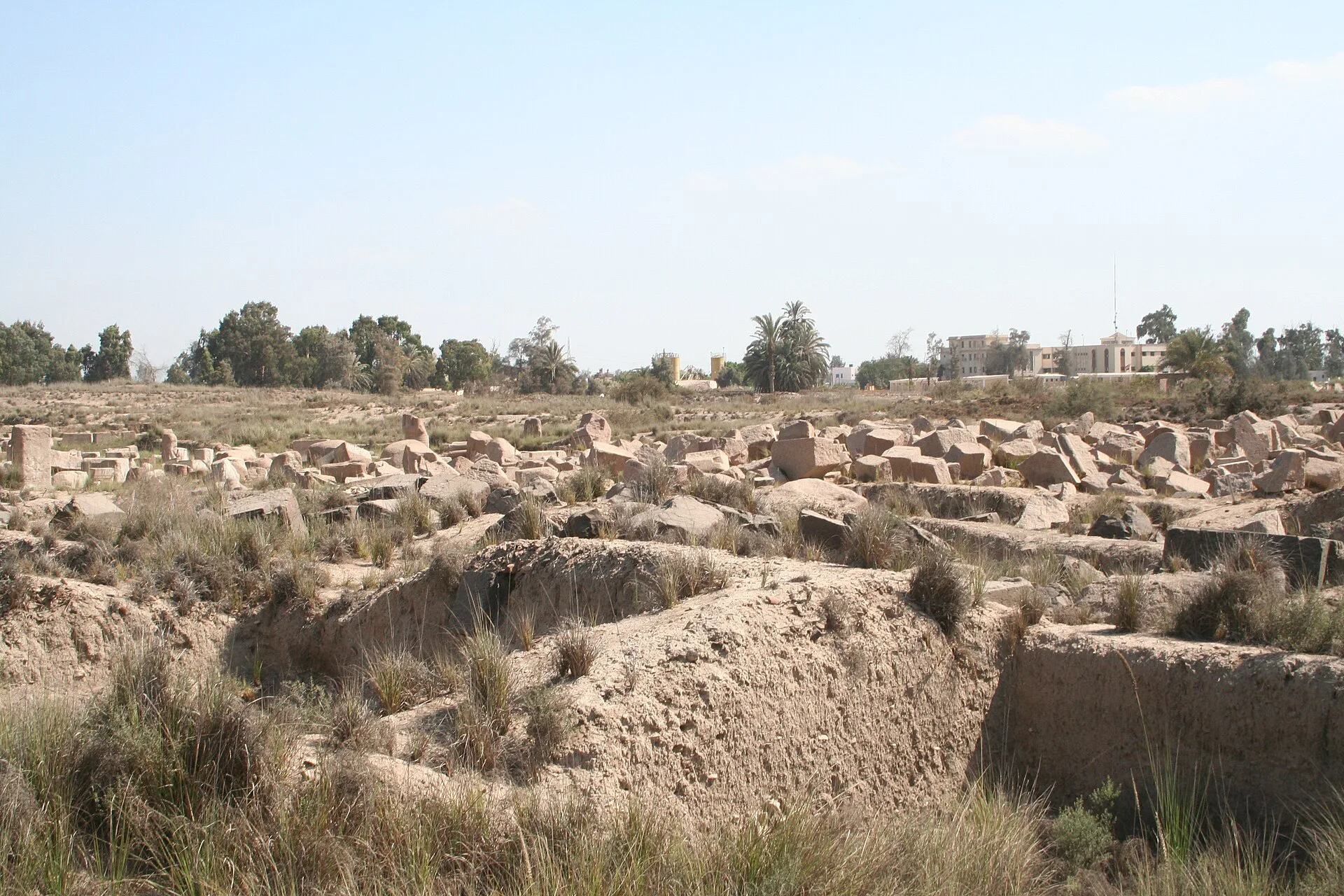
- Ram cemetery: stone sarcophagi of the sacred rams in the north-west of the tell.
- The mound itself: the wide tell, with the remains of the royal necropolis and the old harbours that excavators have studied since 1990.
Visiting tips
- Mendes is not set up for tourism: there is no ticket office, visitor centre or published opening hours, and it is an active excavation site.
- Before you go, ask the antiquities inspectorate for Dakahlia, or go with a licensed guide who can arrange the visit with the site guards.
- Carry your passport, and bring water and a hat, as there are no facilities.
- Wear sturdy shoes: the ground is uneven, with open trenches.
Getting there
Tell el-Rub’a is in farmland south-east of Mansoura. There is no public transport to the site itself, so the practical way is a taxi or car with a driver from Mansoura, using GPS coordinates or asking locally for the way to the tell.
Last checked November 2026. Sources: en.wikipedia.org, press.princeton.edu, masrawy.com.
Information card
At a glance
Arabic nameمنديس (تل الربع)
GovernorateDakahlia
EraLate Period
Prices and hours change often. Confirm on the Ministry’s official site egymonuments.gov.eg before you go.
Frequently asked questions
Where is Mendes?
At Tell el-Rub'a in Dakahlia governorate, in the eastern Nile Delta south-east of Mansoura.
Can I visit Mendes?
It is not formally open to tourists and has no ticket office. Ask the Dakahlia antiquities inspectorate or a licensed guide to arrange a visit.
What is the naos of Mendes?
A shrine cut from a single block of red granite, more than 6 metres high, made under Ahmose II (Amasis) of the 26th Dynasty. It is the largest naos known in Egypt.
Which god was worshipped at Mendes?
The ram god Banebdjedet, with his consort the fish goddess Hatmehit. His sacred rams were buried in a cemetery on the site.
Was Mendes ever the capital of Egypt?
Yes, briefly. The kings of the 29th Dynasty (399–380 BC) came from Mendes and ruled from there.