Decentralisation and foreign rule
The Third Intermediate Period runs from the end of the 20th Dynasty, around 1069 BC, to 664 BC, covering Dynasties 21 to 25. After the New Kingdom, royal power weakened and Egypt was divided for some 400 years between rival centres, with rulers of Libyan and later Kushite (Nubian) origin taking the throne.
Tanis and Thebes: the 21st Dynasty
When Ramesses XI died, the kingdom was effectively split. Smendes founded the 21st Dynasty at Tanis in the north-eastern Delta, while the High Priests of Amun at Thebes controlled the south. The two lines co-operated, often through marriage. Kings such as Psusennes I were buried inside the temple enclosure at Tanis. In Thebes, the priests gathered the mummies of great New Kingdom pharaohs from their plundered tombs and reburied them in caches, including the one hidden near Deir el-Bahari.
The Libyan dynasties
Descendants of Libyan settlers had long served in the army. Sheshonq I founded the 22nd Dynasty around 945 BC, ruling from Bubastis and Tanis, and led a campaign into Palestine recorded on the Bubastite Portal at Karnak. Later, rival lines (the 23rd and 24th Dynasties, the latter at Sais under Tefnakht and Bakenrenef) divided the country into competing local kingdoms.
The Kushite pharaohs
From Napata in Sudan, the Kushite king Piankhi (Piye) marched north around 728 BC and defeated the Delta princes, recording his victory on a great stela. His successors Shabaka, Shebitku, Taharqa and Tanutamun formed the 25th Dynasty, reviving old artistic styles and building at Karnak. Their rule ended under pressure from Assyria, which sacked Thebes in 664 BC, after which Psamtik I of Sais reunited Egypt and began the Late Period.
Where to see it
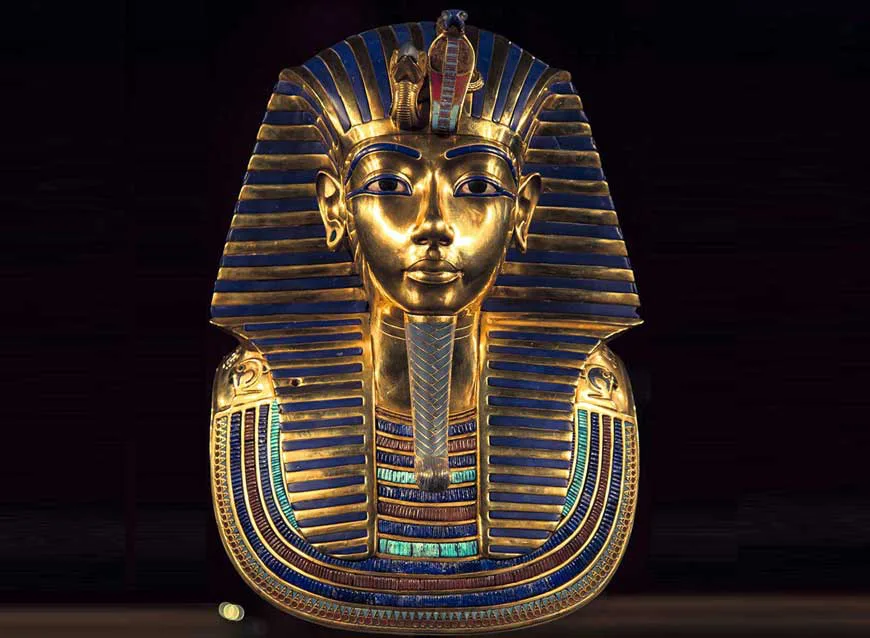
- The royal treasures of Tanis, discovered by Pierre Montet in 1939–40, including the silver coffin and gold mask of Psusennes I, are on display in the Egyptian Museum in Tahrir Square.
- The Bubastite Portal and Taharqa’s columned kiosk survive at Karnak Temple.
- Royal mummies recovered from the Theban caches now rest in the National Museum of Egyptian Civilization.
- The Nubia Museum in Aswan and the Luxor Museum display statues from the Kushite era.
Last checked October 2026. Sources: en.wikipedia.org, en.wikipedia.org, en.wikipedia.org, en.wikipedia.org.
Information card
|
Dynasty 21 |
Dynasty 22 |
Dynasty 23 |
Dynasty 24 |
Dynasty 25 |
|---|---|---|---|---|
|
Smendes I |
Padibastet |
Tefnakht |
Piankhi |
|
|
Amenemnisu |
Osorkon I |
Sheshonq IV |
Bakenrenef |
Shabaka |
|
Psusennes I |
Sheshonq II |
Osorkon III |
|
Shebitku |
|
Amenemope |
Takelot I |
Takelot III |
|
Taharqa |
|
Osorkon the Elder |
Osorkon II |
Rudamon |
|
Tanutamun |
|
Siamun |
Takelot II |
Iuput |
|
|
|
Psusennes II |
Sheshonq III |
Nimlot |
|
|
|
|
Pami |
Peftjauabastet |
|
|
|
|
Sheshonq V |
|
|
|
|
|
Osorkon IV |
|
|
|
|
|
Harsiese |
|
|
|
Frequently asked questions
What was the Third Intermediate Period?
A period of about 400 years after the 20th Dynasty, marked by decentralisation, political instability and rule by Libyan kings and the High Priests of Thebes.
Which dynasties does it cover?
Dynasties 21 to 25, ending with the Kushite (Nubian) kings such as Piankhi, Shabaka and Taharqa.
Why did royal power weaken?
Towards the end of the 20th Dynasty the kings' authority declined, and power passed to Libyan rulers on one side and the Theban priesthood on the other.