Wadi El Hitan (Valley of the Whales)
Nature
A desert valley scattered with fossil skeletons of ancient whales that still had hind legs, Egypt's only natural World Heritage Site.
- Arabic name
- وادي الحيتان
- Type
- Protected area
- Governorate
- Faiyum
- Area
- about 200 (World Heritage property)
- Protected since
- Part of Wadi El Rayan protectorate (1989); UNESCO World Heritage Site 2005
- Nearest city guide
- Faiyum
- Official website
- whc.unesco.org
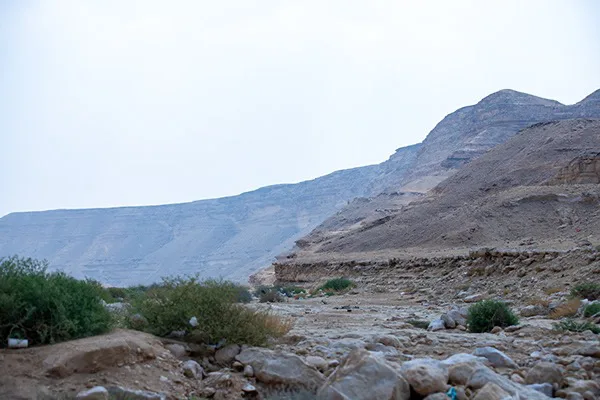
Wadi El Hitan lies inside the Wadi El Rayan protectorate, around 150 km south-west of Cairo. Some 40 million years ago this desert was the floor of a warm, shallow sea. Today the wind exposes hundreds of fossil skeletons of early whales, giving scientists a rare picture of how whales evolved from land mammals into ocean swimmers.
The fossils
The best known fossils belong to Basilosaurus and Dorudon, archaic whales that still had small hind limbs. Alongside them lie remains of sharks, sea cows, turtles and fossil mangrove roots. UNESCO inscribed the valley in 2005, and it remains Egypt’s only World Heritage Site listed for natural values.
What to do
- Walk the marked open-air trail past fossil skeletons displayed where they were found.
- Visit the Fossils and Climate Change Museum, which houses a complete Basilosaurus skeleton.
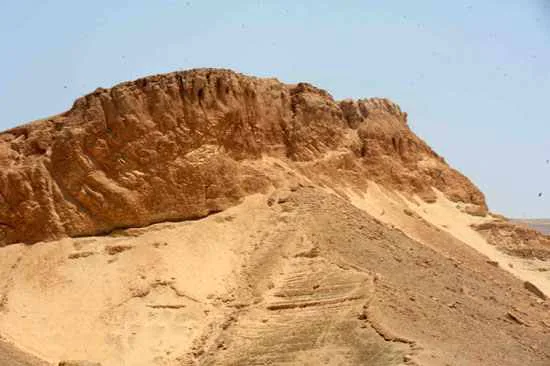
- Watch the sunset over wind-sculpted rock formations, and stay to camp under exceptionally dark skies.
Getting there and best time
Access is via the Wadi El Rayan road, followed by a desert track that usually requires a 4×4; most visitors book a day tour from Cairo or Faiyum, often combined with the waterfalls and Magic Lake. Bring water, sun protection and sturdy shoes. October to April is ideal; midday summer temperatures are extreme.
Entry fee: a separate fee for foreign visitors is charged at the visitor centre; check the current amount on arrival (last checked October 2026).
Last checked October 2026. Entry fees and access rules change; check with the Egyptian Environmental Affairs Agency or a local operator before you go. Sources: whc.unesco.org, eeaa.gov.eg.
Frequently asked questions
Why is Wadi El Hitan a World Heritage Site?
It holds hundreds of fossil skeletons of early whales, such as Basilosaurus and Dorudon, that still had small hind legs, showing how whales evolved from land mammals. It is Egypt's only natural World Heritage Site, inscribed in 2005.
Do I need a 4x4?
The final desert track usually requires a 4x4. Most visitors book a day tour from Cairo or Faiyum, often combined with the Wadi El Rayan waterfalls and Magic Lake.
What is there to see?
A marked open-air trail passes fossils displayed where they were found, and the Fossils and Climate Change Museum houses a complete Basilosaurus skeleton.
Can I camp overnight?
Yes, camping is possible and the skies are exceptionally dark. Bring water, sun protection and sturdy shoes.
How much does it cost and when should I go?
A separate fee for foreign visitors is charged at the visitor centre; check the current amount on arrival. October to April is ideal, as midday summer heat is extreme.