Unification of the Two Lands
The Early Dynastic Period covers the First and Second Dynasties, from roughly 3100 BC to about 2686 BC. It grew out of the final phase of Naqada culture (Naqada III) and saw Upper and Lower Egypt joined into one kingdom, with the institutions of pharaonic rule (kingship, administration, writing and royal tombs) taking their lasting form.
Narmer and the First Dynasty
King Narmer is generally credited with the unification. The Narmer Palette shows him wearing the white crown of Upper Egypt on one side and the red crown of Lower Egypt on the other, smiting enemies and inspecting the bodies of the defeated. Later tradition credited a king called Menes with founding the state and the capital at Memphis; many scholars identify Menes with Narmer or his successor Hor-Aha. Other First Dynasty kings include Djer, Djet, Den, Anedjib, Semerkhet and Qa’a. Den is notable for administrative reforms and the first use of the double crown.
The Second Dynasty
Less is known of the Second Dynasty (Hotepsekhemwy, Raneb, Nynetjer and others). There are signs of internal division: King Peribsen used the god Seth rather than Horus above his name, while Khasekhemwy, the last king of the dynasty, appears to have restored unity and built a massive mud-brick enclosure at Abydos.
Records and tombs
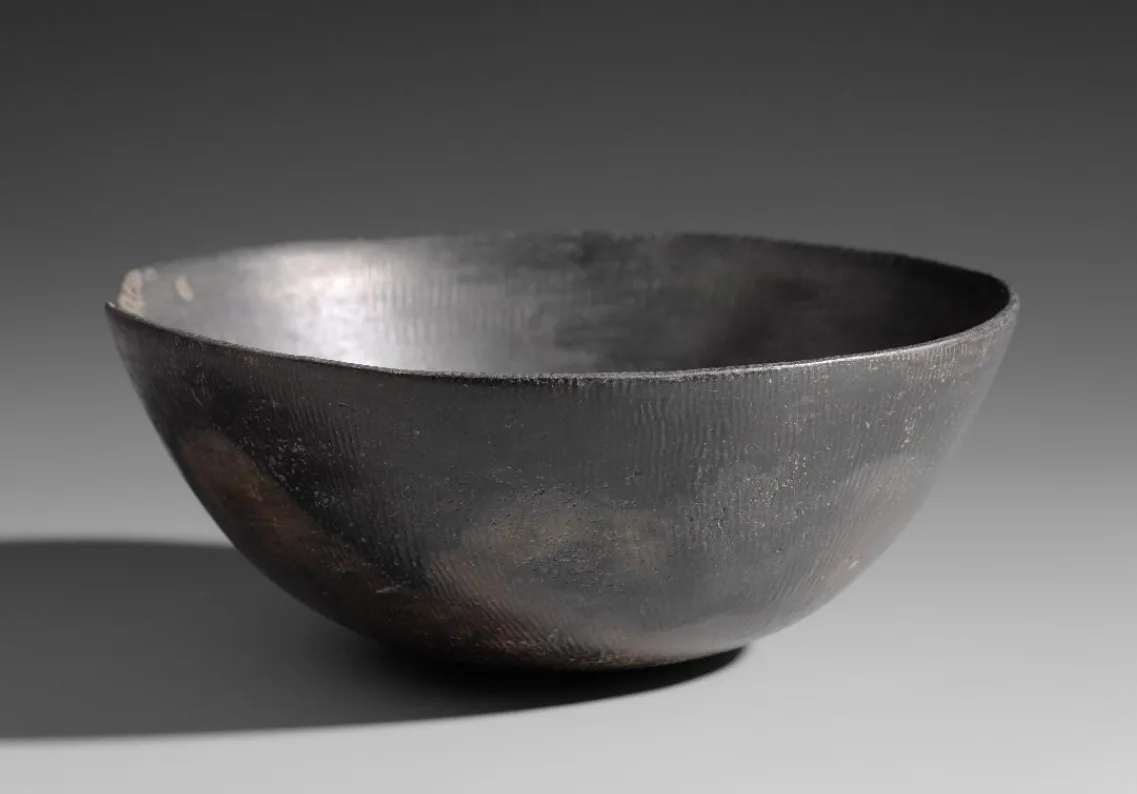
The Palermo Stone, a fragment of a royal annal carved in the Fifth Dynasty, lists kings and yearly events from the beginning of the First Dynasty onwards. The early kings were buried at Umm el-Qa’ab in Abydos, while large mud-brick mastaba tombs of officials were built at Saqqara overlooking Memphis. Writing developed quickly in this period, used on labels, seals and stone vessels.
Where to see it
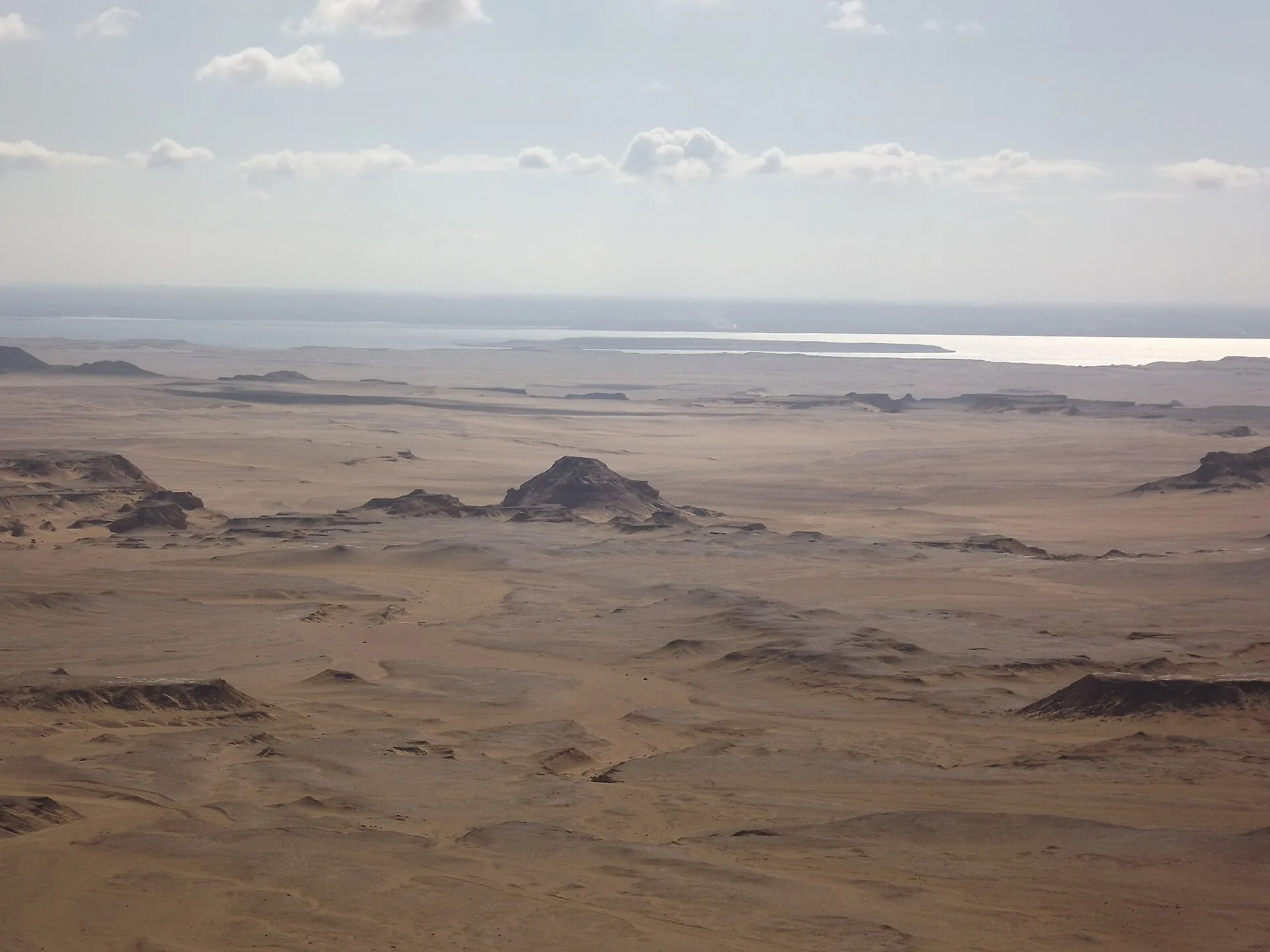
The Narmer Palette is in the Egyptian Museum in Tahrir Square. Early Dynastic stone vessels, labels and statuary can also be seen at the Grand Egyptian Museum. The main fragment of the Palermo Stone is in Palermo, Sicily, with smaller pieces in Cairo and London. At Abydos, best visited alongside the Temple of Seti I, the royal cemetery and Khasekhemwy’s enclosure survive as excavated desert sites.
Last checked October 2026. Sources: en.wikipedia.org, en.wikipedia.org, en.wikipedia.org, en.wikipedia.org.
Information card
|
Dynasty 1 |
Dynasty 2 |
|---|---|
|
Hotepsekhemwy |
|
|
Hor-Aha |
Raneb |
|
Djer |
Nynetier |
|
Djet |
Seth-Peribsen |
|
Den |
Khasekhemwy |
|
Anedjib |
|
|
Semerkhet |
|
|
Qa’a |
|
Frequently asked questions
Who unified Upper and Lower Egypt?
King Narmer, who commemorated the unification on the Narmer Palette.
Which dynasties make up the Early Dynastic Period?
The Early Dynastic Period covers the 1st and 2nd Dynasties, from about 3100 to 2686 BC.
Where were the earliest kings buried?
The earliest kings of Egypt were buried in the royal cemetery at Abydos.