Neolithic Egypt: the first farmers of the Nile
History Topic
Neolithic Egypt is the long stretch of time, from about 5200 BC onwards, when people along the Nile and around the Faiyum lake began to grow crops, keep animals and live in villages. These first farmers laid the ground for everything that followed: the towns, chiefdoms and finally the single kingdom that appeared around 3100 BC. If the pyramids are the famous chapter of Egyptian history, this is the chapter that made them possible.
When did farming begin in Egypt?
Farming began in Egypt in the sixth millennium BC, with the earliest well-dated farming villages appearing from about 5200 BC in the Faiyum and soon after on the edge of the Delta. That is later than in Southwest Asia, where wheat, barley, sheep and goats had been domesticated some thousands of years earlier.
The main crops and animals did not start in Egypt. Emmer wheat, barley, flax, sheep and goats all came in from Southwest Asia, most likely through Sinai and the Delta. Cattle are a different story. Herders in the Western Desert were keeping cattle earlier, and some researchers think cattle were domesticated locally in North Africa, although this is still debated. The sites around Nabta Playa show how these desert herders lived while the Sahara was still greener than today.
From hunting to farming
Before farming, people in the Nile Valley lived by hunting, fishing and gathering wild plants. The river was generous, with fish, waterbirds and wild cereals and tubers along its banks, so there was little pressure to change quickly. Farming arrived gradually, and for a long time people mixed old and new ways of life. Early farmers still fished, hunted and gathered a good share of their food.
What changed was the pattern of daily life. Grain had to be sown, harvested and stored, so people built storage pits and granaries, made more pottery and stayed in one place for longer. Villages grew, and with them came new kinds of burial and new ideas about status.
The northern cultures
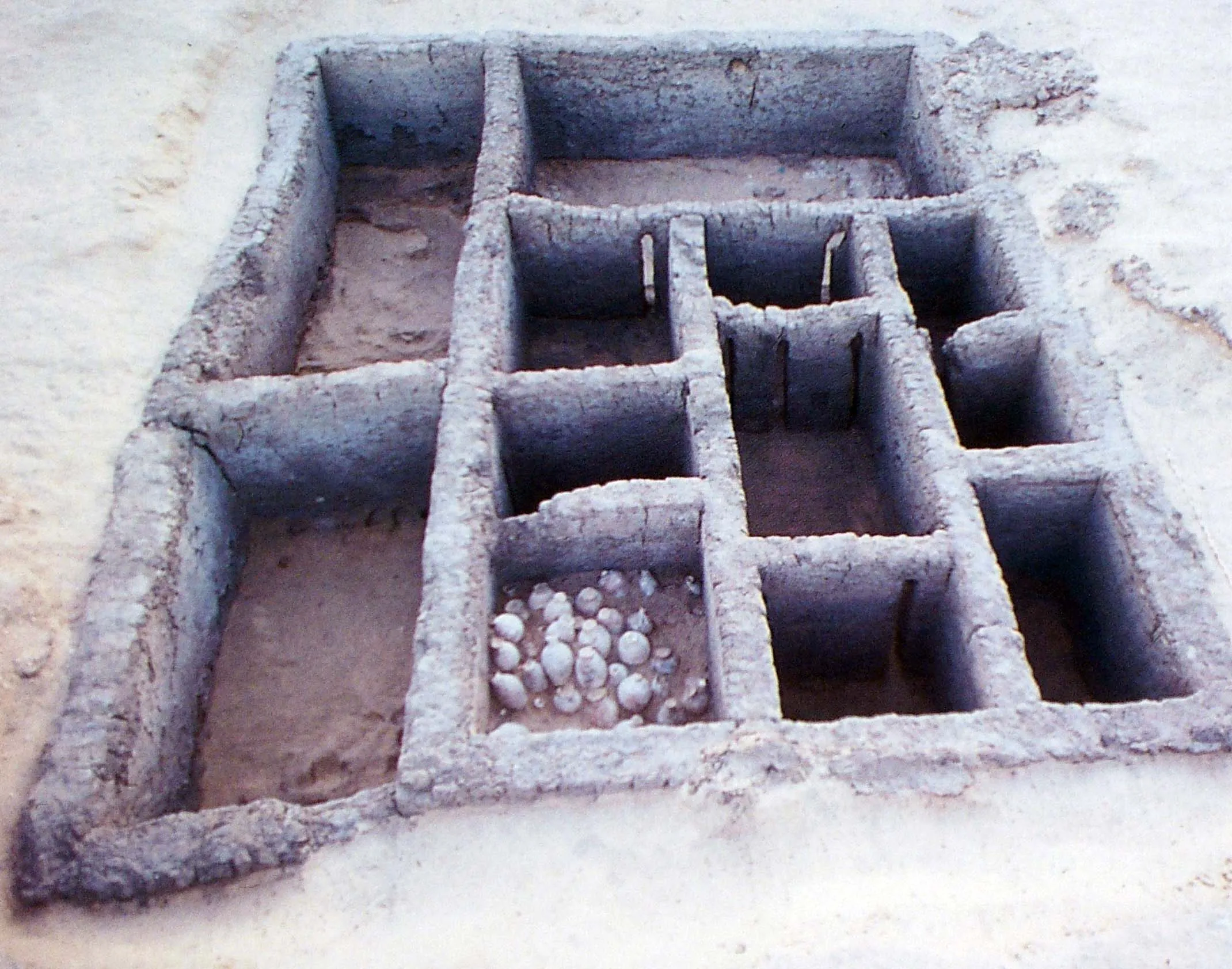
In the north, the oldest farming culture we know is the Faiyum Neolithic, on the shores of a much larger ancient lake. Its people dug grain pits lined with matting and baskets, but left few traces of solid houses.
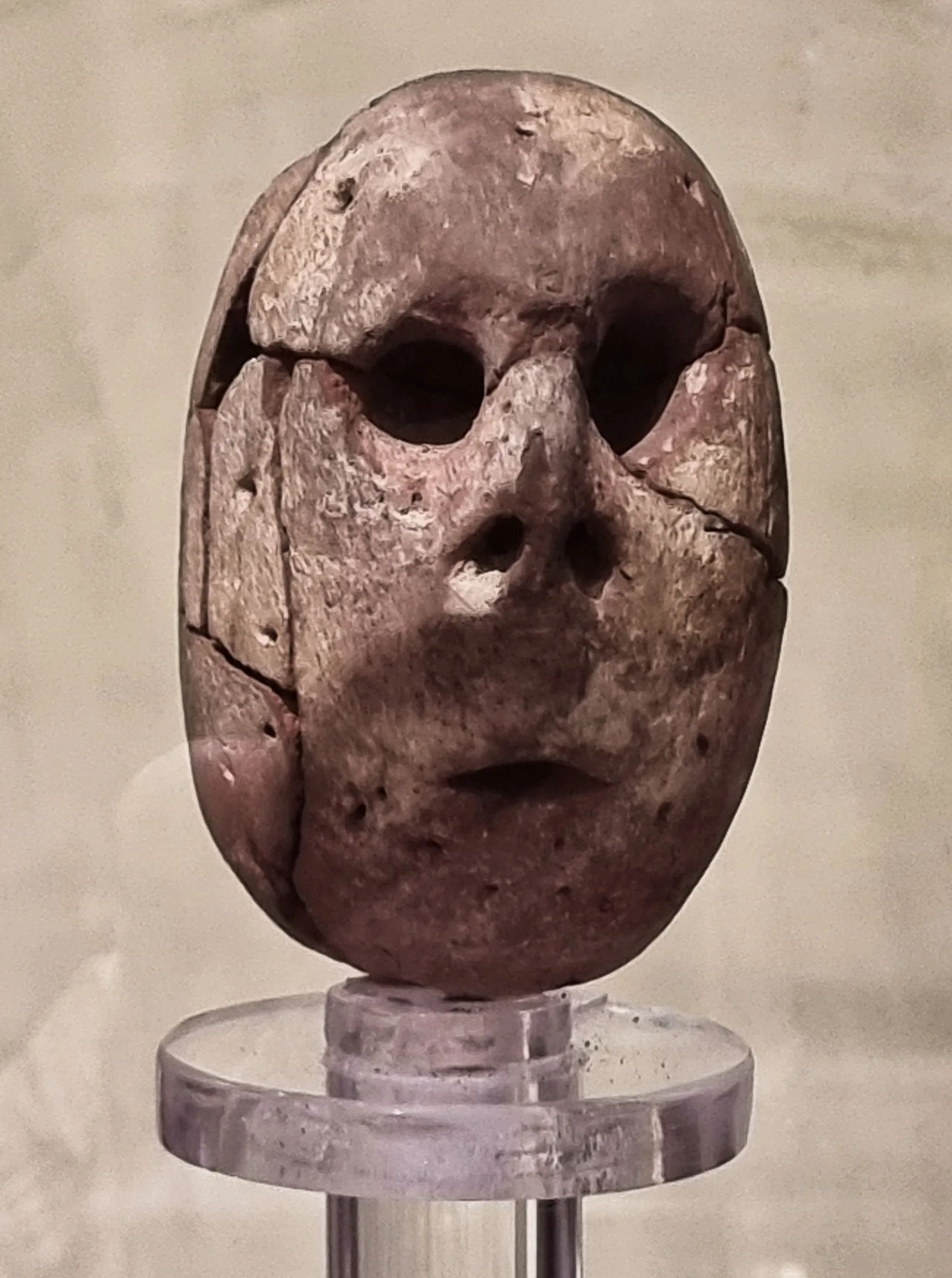
A little later, the village of Merimde Beni Salama grew up on the western edge of the Delta. It was occupied over a long period and is famous for a small pottery head, one of the earliest sculpted human faces from Egypt. Further south, near modern Helwan, the El Omari culture left houses, storage pits and burials within the settlement.
By about 3900 BC, the north was home to the Maadi–Buto culture, a network of villages from southern Cairo to the Delta that traded with the southern Levant and worked copper.
The southern cultures
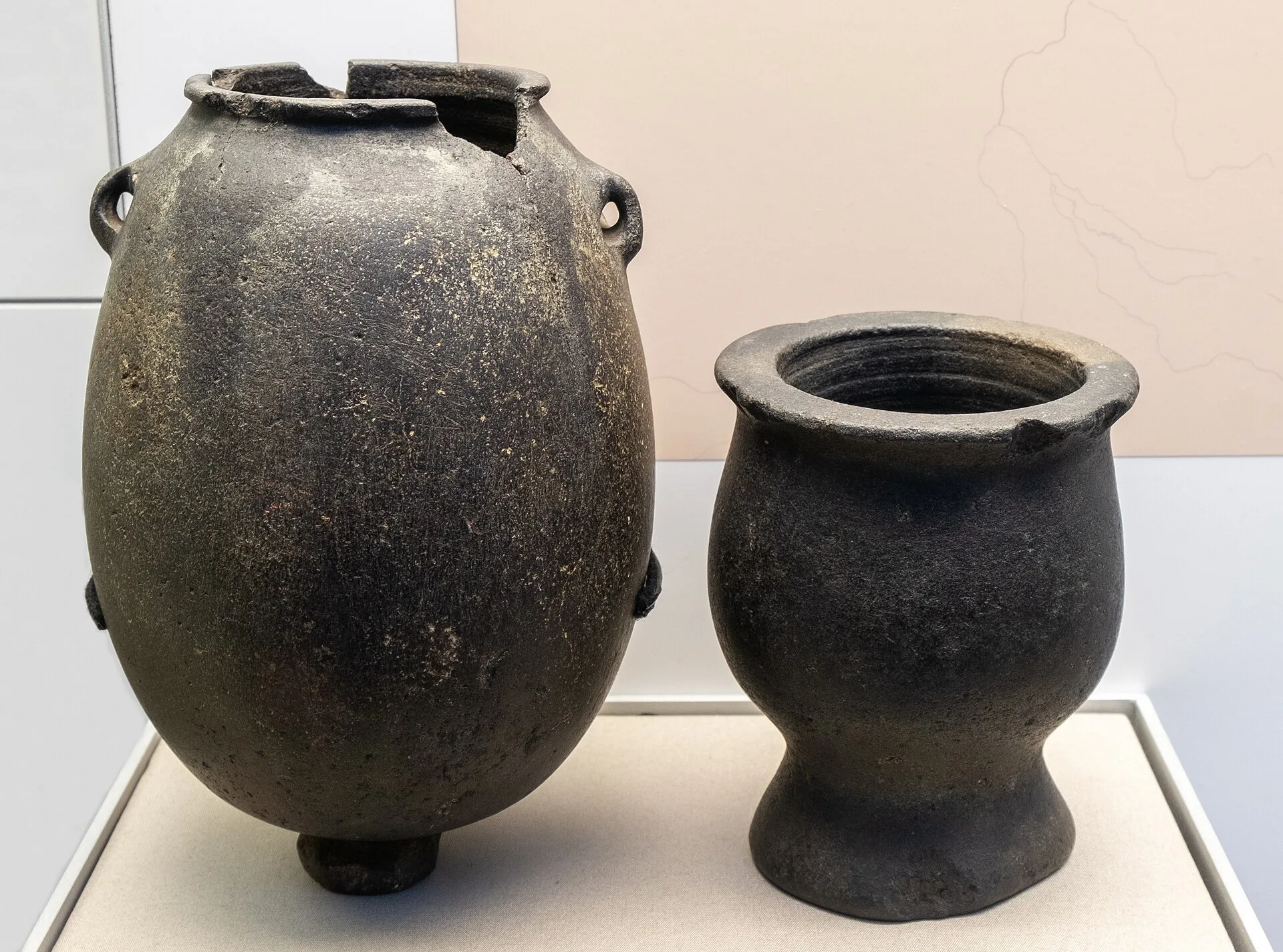
In Middle and Upper Egypt the story runs a little differently. The Badarian culture, named after the area of El-Badari, is the earliest well-known farming culture of the south. It is famous for its very thin, polished pottery and for cemeteries in which people were buried with personal objects.
The Badarian was followed by the Naqada culture, which lasted from about 4000 BC until the beginning of the First Dynasty. Over those centuries Naqada communities grew into larger towns with clear differences in wealth, painted pottery, fine stone tools and increasingly rich tombs for their leaders.
From villages to a kingdom
Towns such as Hierakonpolis in the south became centres of early kingship, with workshops, temples and elite cemeteries. In the later part of the Naqada period, southern pottery, burial customs and objects spread northwards, and the separate Lower Egyptian culture faded out. Historians still debate whether this happened through conquest, trade, migration or a mixture of all three.
By around 3100 BC, Upper and Lower Egypt were ruled as one country. The kings of the First Dynasty inherited crops, animals, crafts and beliefs that had been taking shape since the first farmers settled along the Nile.
Why it matters
The Neolithic is easy to skip on a trip that is full of temples and tombs, but it explains a lot. The bread and beer of pharaonic Egypt, its cattle and its linen, its storage jars and its care for the dead all have roots in these early villages. Seeing a polished Badarian bowl or a simple storage jar in a museum gives a sense of how far back Egyptian civilisation reaches.
Where to see it today
Most of the early farming sites themselves are low mounds or desert surfaces with little for a visitor to see, and they are not set up for tourism. The finds are the way in. The Egyptian Museum in Cairo and other major Egyptian museums hold predynastic material, and in London the British Museum and the Petrie Museum have large predynastic collections.
Last checked November 2026. Sources: Wikipedia: Prehistoric Egypt, Britannica: Ancient Egypt, Wikipedia: Neolithic Revolution.
Information card
Frequently asked questions
When did farming start in ancient Egypt?
Farming started in Egypt in the sixth millennium BC, with the first well-dated farming villages appearing in the Faiyum from about 5200 BC. Villages on the edge of the Delta followed soon after.
Where did Egypt's first crops and farm animals come from?
Emmer wheat, barley, sheep and goats were first domesticated in Southwest Asia and reached Egypt from there. Cattle may have been domesticated locally in North Africa, but this is still debated.
How do the first farmers connect to the pharaohs?
The early farming cultures of north and south developed into the Naqada culture, which spread across Egypt in the fourth millennium BC. Egypt was unified under the kings of the First Dynasty around 3100 BC.